

I still remember the moment a Fortune 500 hiring director told me, flatly, that a resume older than 18 months is essentially a historical document. It was 2022, and I was consulting for a global tech company that had just overhauled its applicant tracking system. The new software was flagging resumes that used outdated formatting, missing keywords, and pre-pandemic job descriptions. Candidates who were genuinely qualified were being filtered out before a human ever saw their applications. Not because they lacked talent, but because their resumes had not kept pace with how hiring actually works.
That conversation changed how I advise every job seeker who walks into my practice. The job market in 2026 moves faster than it ever has. LinkedIn reports that the average professional changes roles every 2.7 years, AI-powered applicant tracking systems are now the norm at companies with more than 50 employees, and hiring managers spend an average of 6 to 8 seconds on an initial resume scan. If your resume still reflects the job you held three years ago, or uses the formatting conventions of five years ago, you are competing with a serious handicap. 📉
This guide walks you through exactly how to redo your resume from the ground up. Whether you are re-entering the workforce after a career break, pivoting to a new industry, or simply overdue for a refresh, I will cover the signs that it is time for a full revamp, the step-by-step process for modernizing every section, how to avoid the most common mistakes, and the best tools to make the job painless. If you want a foundational overview of resume writing principles before diving in, start with our complete guide to writing a resume. 📝
Why You Need to Redo Your Resume in 2026
The resume you wrote two or three years ago was built for a different market. Since then, several fundamental shifts have changed what employers expect to see on a resume and how their systems process it.
**ATS technology has advanced significantly. **Modern applicant tracking systems like Greenhouse, Lever, and Workday use AI-driven parsing that goes beyond simple keyword matching. These systems now analyze context, evaluate skill relevance, and score candidates based on how closely their resume language mirrors the job description. A resume built before 2024 is almost certainly not optimized for these newer algorithms. According to Jobscan, over 98% of Fortune 500 companies now use some form of ATS, and the technology filters out an estimated 75% of applications before a recruiter ever opens them.
**Remote and hybrid work changed the rules. **If your resume does not reflect remote collaboration skills, digital fluency, or experience with distributed teams, it signals that you have not adapted to the post-2020 work environment. Hiring managers are specifically looking for evidence that candidates can thrive in flexible work settings, and the absence of this language is noticeable. 🌐
**Skills-based hiring is replacing credential-based hiring. **A growing number of employers, including Google, Apple, IBM, and the entire US federal government, have dropped degree requirements for many roles. What they want instead is clear evidence of specific, demonstrable skills. If your resume is still structured around job titles and company names without emphasizing transferable skills and measurable outcomes, it is speaking a language that fewer and fewer hiring teams are listening to.
**The competition is fiercer. **The Bureau of Labor Statistics reports that the average job posting in 2025 received over 250 applications. With AI-assisted resume tools making it easier for candidates to produce polished documents quickly, the baseline quality of applications has risen. A resume that felt strong in 2022 may now look average by comparison. Redoing your resume is not a nice-to-have; it is a strategic necessity.
Signs It's Time to Revamp Your Resume

5 signs your resume needs a complete redo
Not every situation calls for a complete overhaul. Sometimes a quick tweak is enough. But there are clear signals that your resume needs more than a minor update. Here is how to tell the difference. 🚨
You need a full redo if...
- **You have not updated it in more than 18 months. **Job markets, ATS algorithms, and hiring expectations shift faster than most people realize. Anything older than 18 months is likely outdated in both content and formatting.
- **You are changing careers or industries. **A pivot requires a fundamentally different resume strategy. You need to reframe your experience, emphasize transferable skills, and speak the language of your target industry. For detailed guidance on this approach, see our article on writing a targeted resume.
- **Your resume is longer than two pages (and you are not in academia). **The standard for most industries remains one to two pages. If yours has grown beyond that through accumulated additions over the years, it needs to be trimmed and restructured, not just edited.
- **You are getting interviews at a rate below 5%. **If you are applying to jobs you are qualified for and hearing nothing back, the problem is almost certainly your resume, not your qualifications. A response rate below 5% means your document is failing at its primary job.
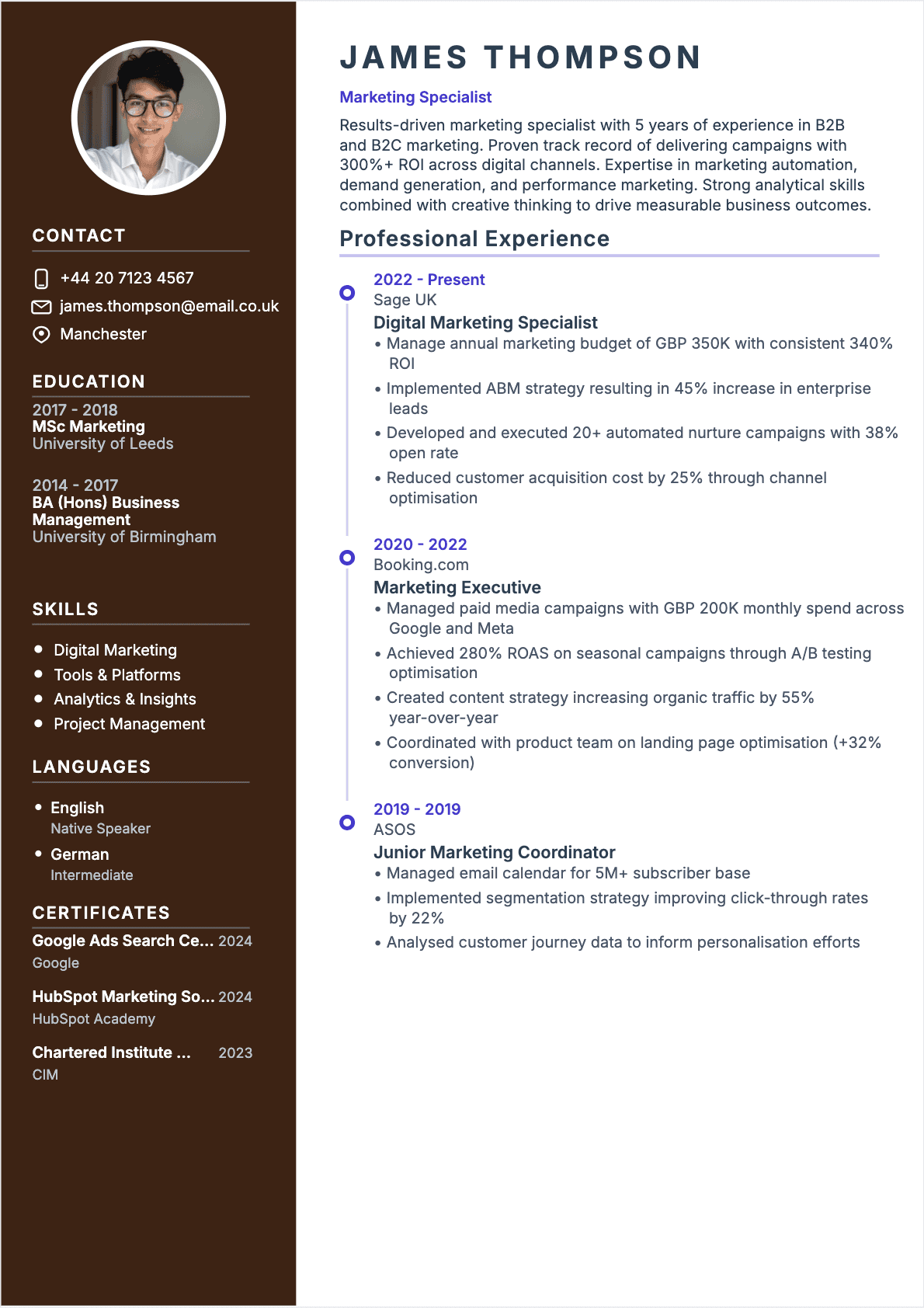
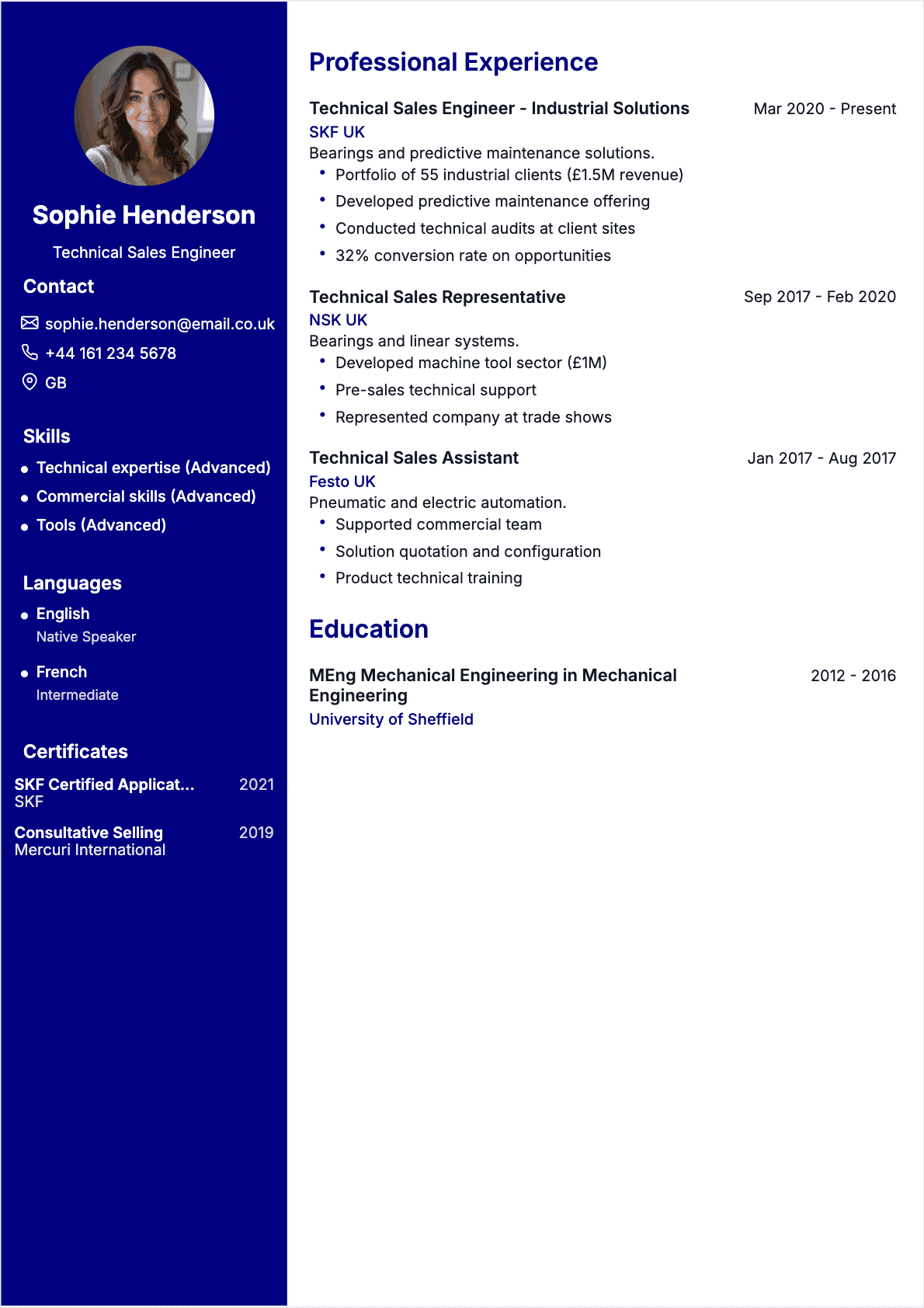
- **Your resume was designed before the widespread adoption of ATS. **If you built your resume using creative layouts, images, text boxes, multi-column tables, or header/footer content, it is likely being misread by modern ATS systems.
- **You have a career gap that your current resume does not address. **Gaps are increasingly common and decreasingly stigmatized, but they need to be presented strategically rather than left as unexplained blank spaces.
A quick update is sufficient if...
- You recently completed a certification or course and need to add it
- You received a promotion and need to update your current role
- You want to tweak keywords for a specific job application
- You need to update your contact information or LinkedIn URL
The key distinction: if the structure of your resume is sound and reflects your current career direction, updates are fine. If the structure itself is outdated, a full redo is the smarter investment of your time.
How to Redo Your Resume Step by Step

Infographic showing 5 steps to redo your resume effectively
Redoing a resume is not the same as editing one. An edit assumes the foundation is solid and makes surface-level improvements. A redo means rethinking the document from the ground up: what information to include, how to organize it, what language to use, and how to present it for both human readers and ATS algorithms. Here is the process I walk my clients through. 🛠️
Step 1: Audit your current resume
Before building anything new, assess what you have. Print out your current resume and mark it up honestly:
- Circle every achievement that includes a specific metric (dollar amounts, percentages, team sizes, timeframes)
- Cross out anything that describes responsibilities without demonstrating impact
- Highlight skills and keywords that are still relevant to your current target roles
- Note any sections that feel bloated, outdated, or irrelevant
This audit usually reveals that 30-50% of the content on an older resume is either irrelevant or poorly framed for the current market. That is completely normal, and it is exactly why a redo is necessary rather than a patch.
Step 2: Research your target roles
Pull up five to ten job postings for the roles you want. Read them carefully and create a list of:
- The most frequently mentioned hard skills and tools
- Recurring soft skills and competencies (leadership, collaboration, communication)
- Common qualifications and certifications
- Industry-specific terminology and jargon
- The seniority level and scope of responsibility described
This research becomes the foundation for your resume language. Your goal is to mirror the terminology that employers and their ATS systems are looking for, while accurately representing your experience. This approach is covered in depth in our guide to building a targeted resume.
Step 3: Rewrite your professional summary
Your summary is the first thing a hiring manager reads and the section that sets the tone for the entire document. For a revamped resume, write a fresh summary that reflects:
- Your current professional identity (title, specialization, years of relevant experience)
- Two to three of your strongest, most relevant skills
- A headline achievement with a specific metric
- A clear statement of what you are looking for
"Operations leader with 12+ years of experience optimizing supply chain workflows for global manufacturing companies. Reduced logistics costs by $4.2M annually through vendor renegotiation and process automation at a Fortune 200 firm. Expert in SAP, Lean Six Sigma, and cross-functional team leadership. Seeking a VP of Operations role at a mid-market manufacturer driving growth through operational excellence."
Step 4: Restructure your experience section
For each role, follow this formula:
- **Job title **| Company Name | City, State (or Remote) | Start Date - End Date
- Three to five bullet points per role, each starting with a strong action verb
- Every bullet point must include either a quantified result or a clearly stated impact
- Prioritize recent and relevant experience; condense or remove roles older than 10-15 years
Rewrite your bullets using the CAR framework (Challenge, Action, Result): what was the challenge, what action did you take, and what was the measurable result? This structure forces you to move beyond listing duties and into demonstrating value.
Step 5: Rebuild your skills section
Organize your skills into clear categories:
- **Technical skills: **Software, tools, programming languages, platforms
- **Industry knowledge: **Domain-specific expertise, methodologies, frameworks
- **Certifications: **Active certifications with issuing body and year obtained
- **Languages: **Spoken languages with proficiency level
Remove skills that are outdated or assumed (Microsoft Office, basic email). Focus on skills that appear in your target job descriptions and that differentiate you from other candidates.
Step 6: Review, test, and finalize
Read the entire document aloud to catch awkward phrasing. Run it through an ATS simulation tool to check keyword alignment. Export as PDF and review formatting on multiple devices. Have a trusted colleague or career professional review the final version for clarity and impact.
Modernizing Your Resume Design and Layout
Content is king, but presentation determines whether anyone reads the content. A resume that looks like it was designed in 2018 will be perceived as outdated regardless of how strong the content is. Here is what modern resume design looks like in 2026. 🎨
Layout principles
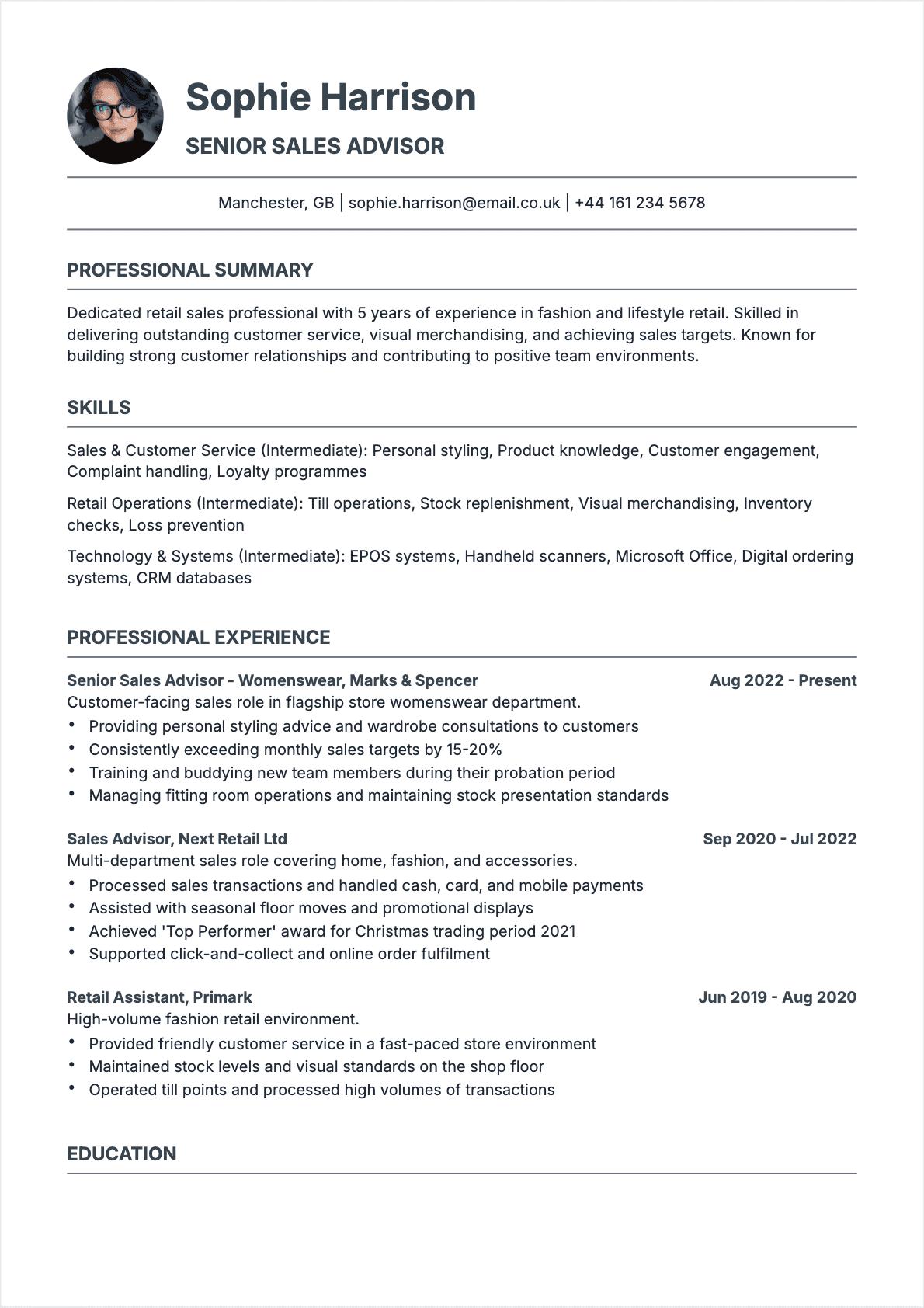
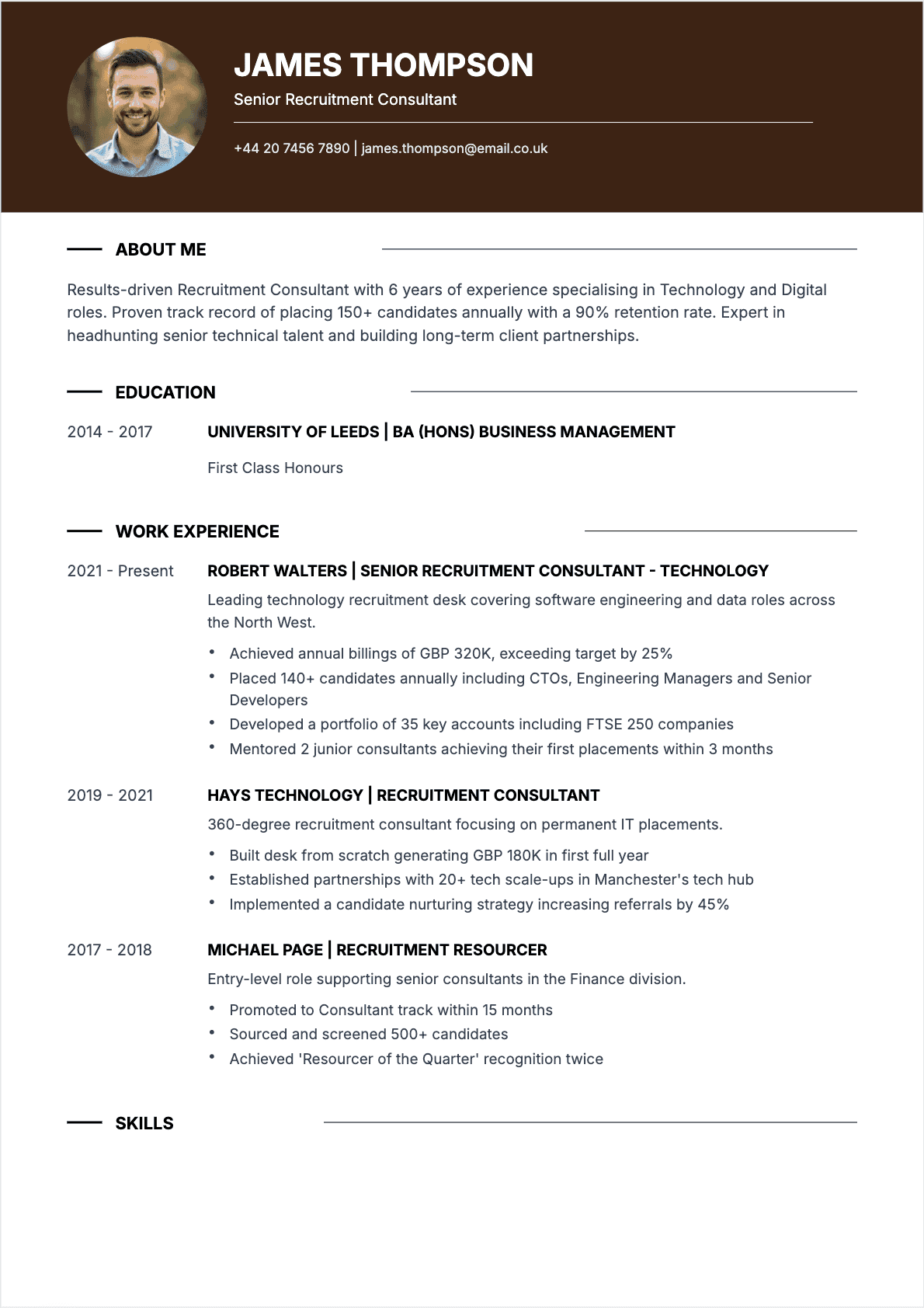
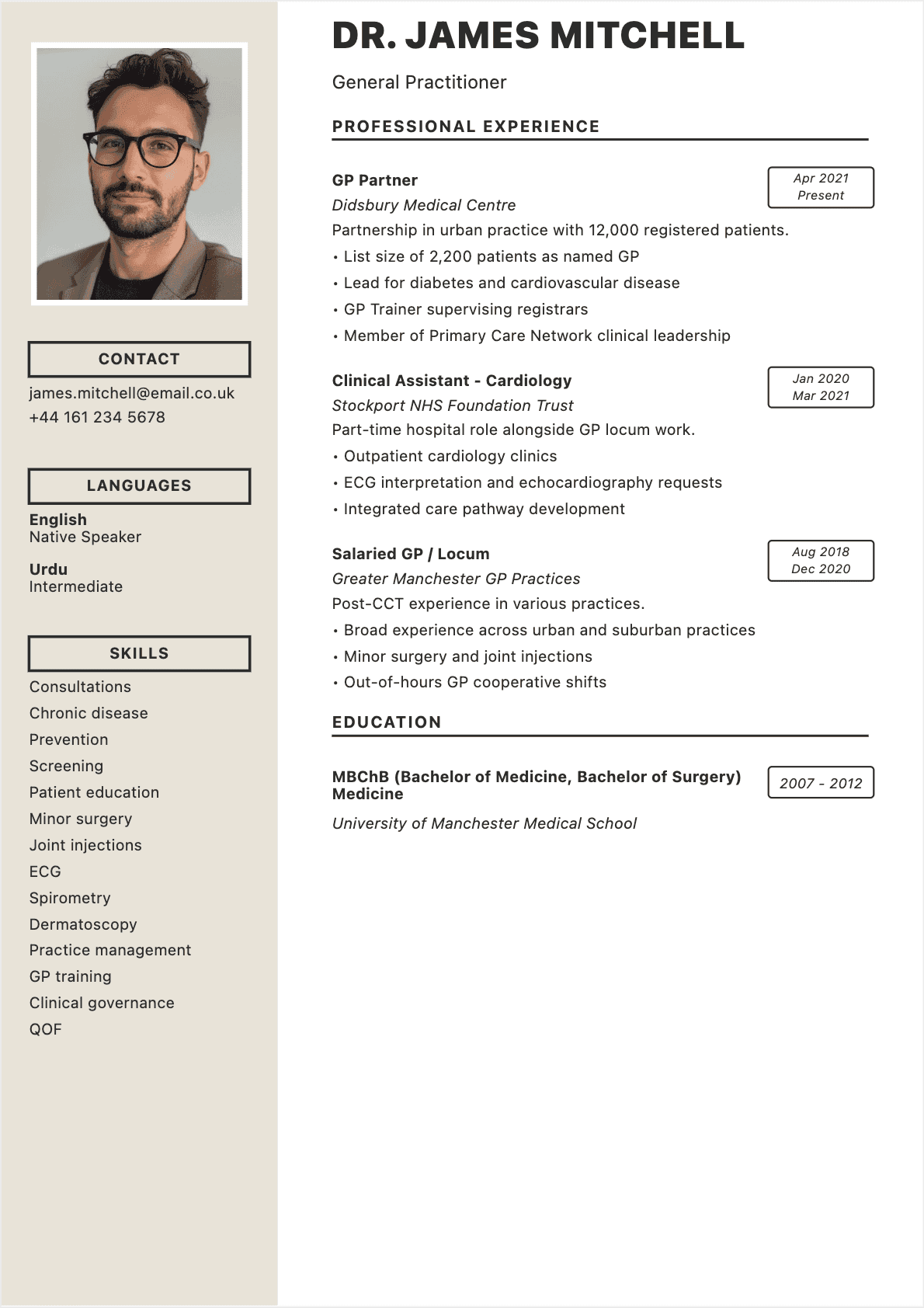
- **Single-column layout for ATS compatibility. **Multi-column designs look attractive but are frequently misread by applicant tracking systems. Stick with a single-column structure with clear section breaks.
- **Strategic use of white space. **Margins of 0.5 to 1 inch, consistent spacing between sections (8-12pt), and breathing room between bullet points make the document easier to scan in the 6-8 seconds it typically gets.
- **Visual hierarchy through typography. **Use font size and weight (bold) to create clear hierarchy: name at 18-22pt, section headings at 13-15pt bold, job titles at 11-12pt bold, body text at 10.5-11pt regular.
- **One page for early career, two pages for senior roles. **The one-page rule applies to candidates with fewer than 8-10 years of experience. Senior professionals and executives can use two pages, but every line must earn its place.
Font choices for 2026
These fonts are ATS-safe, widely available, and look professional on screen and in print:
- **Sans-serif (modern, clean): **Calibri, Inter, Roboto, Lato, Open Sans
- **Serif (traditional, authoritative): **Garamond, Cambria, Georgia, Libre Baskerville
Pick one font family and use it throughout. Differentiate through size and weight, not by mixing fonts. To explore the best format structure for your career level, see our guide to the best resume formats.
Color usage
A single accent color used sparingly on section headings, horizontal rules, or your name adds visual polish without distracting from content. Professional color choices include navy (#003366), slate blue (#4a5568), dark teal (#0d6363), and charcoal (#333333). Avoid bright colors, and always test that your resume is readable when printed in black and white.
Making Your Revamped Resume ATS-Friendly
The most beautifully rewritten resume in the world is worthless if it never reaches a human reader. With ATS rejection rates hovering around 75%, optimizing for these systems is not optional. It is the first and most critical step in your revamp. 🤖
Structural requirements
- **Use standard section headings. **"Professional Experience," "Education," "Skills," "Certifications," and "Professional Summary" are the safest choices. Creative alternatives like "My Journey" or "Toolkit" confuse ATS parsers.
- **Avoid tables, text boxes, and columns for content. **ATS systems read documents linearly. Tables can scramble the reading order, text boxes may be skipped entirely, and multi-column layouts can interleave content from different sections.
- **Keep all critical information in the main body. **Headers and footers are often ignored by ATS parsers. Your name, contact details, and LinkedIn URL should appear in the body of the document.
- **Export as PDF from a text-based editor. **PDFs created from Word, Google Docs, or a proper resume builder are text-based and ATS-readable. PDFs created by scanning a printed document are just images and cannot be parsed.
- **Use standard bullet points. **Built-in bullet formatting from Word or Google Docs is ATS-safe. Custom symbols, icons, or emoji-style bullets may not parse correctly.
Keyword optimization strategy
The most impactful thing you can do when redoing your resume for ATS is align your language with the job descriptions you are targeting:
- Extract the top 15-20 keywords from your target job postings (skills, tools, qualifications, action verbs)
- Include exact-match phrases. If the posting says "project management," write "project management," not "managing projects"
- Use both full terms and abbreviations: "Search Engine Optimization (SEO)," "Customer Relationship Management (CRM)"
- Distribute keywords naturally across your summary, experience bullets, and skills section
- Do not keyword-stuff. ATS algorithms increasingly penalize unnatural keyword density
For an AI-powered approach to keyword optimization and ATS scoring, explore our guide on AI resume builders that can identify gaps between your resume and target job descriptions.
Redoing Your Resume After a Career Gap
Career gaps are more common in 2026 than at any point in modern history. The pandemic, the Great Resignation, parental leave, caregiving responsibilities, mental health breaks, and voluntary sabbaticals have normalized gaps across every industry and seniority level. The stigma has not disappeared entirely, but it has diminished dramatically, and how you handle the gap on your resume matters far more than the gap itself. 💪
Strategies for addressing gaps
- **Use a hybrid resume format. **A hybrid (or combination) resume leads with a skills and qualifications section before listing work history in reverse chronological order. This puts your capabilities front and center and reduces the visual prominence of timeline gaps.
- **Account for the gap briefly and positively. **You do not need to explain every month, but a one-line entry can provide context: "Career Sabbatical (2023-2024): Completed AWS Solutions Architect certification, freelance consulting for two SaaS startups, and volunteer data analytics for a nonprofit."
- **Emphasize what you did during the gap. **Freelance work, volunteering, certifications, courses, personal projects, and caregiving all demonstrate continued growth and responsibility. Include them.
- **Remove months from older roles. **Using only years (e.g., "2019 - 2022") for positions further back in your history makes minor gaps less visible without being dishonest.
- **Lead with results in your re-entry narrative. **Your summary and the first bullet of each role should focus on measurable impact. Employers care about what you can deliver, and strong results overshadow timeline concerns.
If you are building a resume with limited recent experience, our guide on creating a resume with no experience covers strategies for emphasizing transferable skills and alternative credentials.
Common Mistakes When Updating Your Resume
After coaching hundreds of professionals through resume revamps, these are the errors I see most frequently, and they are the ones that silently sabotage otherwise strong candidates. ⚠️
- **Adding new content without removing old content. **The most common mistake by far. People add their latest role and a few new skills without trimming anything, resulting in a bloated, unfocused document that buries the most relevant information. Every time you add something, remove something of lesser value.
- **Keeping the same professional summary. **Your summary should be rewritten with every major resume redo. It is the most-read section and the one that sets the recruiter's expectations. A stale summary that does not match your current goals or reflect your most recent accomplishments is a missed opportunity.
- **Ignoring ATS formatting. **Candidates often revamp their content but keep the old layout, complete with multi-column tables, images, text boxes, and custom fonts that ATS systems cannot process. A content upgrade paired with a formatting downgrade is not actually an improvement.
- **Using the same resume for every application. **A revamped resume should serve as a master template that you customize for each application. Sending the same document to every job posting means you are never fully aligned with any specific role's requirements.
- **Focusing on duties instead of impact. **The shift from "responsible for" language to "achieved, delivered, increased, reduced" language is the single biggest content improvement most people can make. Every bullet point should answer the question: "So what? What was the result?"
- **Neglecting your LinkedIn profile. **Your resume and LinkedIn should tell the same story. Recruiters will check both, and inconsistencies raise red flags. When you redo your resume, update your LinkedIn simultaneously. Our guide on aligning your resume and LinkedIn covers this in detail.
- **Over-designing the document. **Infographic resumes, heavy graphic elements, and unconventional layouts may impress a human viewer, but they fail ATS scans. Prioritize clean, structured design over visual flair.
- **Forgetting to proofread in the final format. **Editing in Word or Google Docs and then exporting to PDF can shift formatting. Always proofread the final PDF version, not just the editable source file.
For a comprehensive overview of resume pitfalls that affect candidates at every level, read our guide to the top 10 most common resume mistakes.
Best Tools to Revamp Your Resume Online
You do not need to redo your resume with a blank document and raw willpower. The right tools can dramatically accelerate the process while ensuring you hit best practices for formatting, keywords, and ATS compatibility. Here is what I recommend to my clients in 2026. 💡
| Tool | Best For | Key Strength |
|---|---|---|
| CVtoWork Resume Builder | Full resume creation and revamping | AI-powered suggestions, ATS-optimized templates, multilingual support |
| Google Docs | Manual formatting with full control | Free, cloud-based, excellent collaboration features |
| Jobscan | ATS keyword optimization | Compares your resume against job descriptions for keyword match rate |
| Grammarly | Language and clarity | Catches grammar errors, suggests stronger phrasing, improves conciseness |
| Canva | Visual design for non-ATS submissions | Drag-and-drop templates; use only for portfolios or creative roles |
My recommended workflow: Use the CVtoWork resume builder or Google Docs to create the document itself, run it through Jobscan for keyword alignment against your target postings, clean up the language with Grammarly, and then export as a clean PDF. This three-step process takes about 30 to 45 minutes for a complete redo and produces a document that is both human-readable and ATS-optimized.
For a deeper comparison of AI-assisted resume tools, including how they handle keyword optimization and formatting, read our full guide on AI resume builders.
Before and After: Resume Makeover Examples

Before and after comparison of a resume makeover with concrete improvements
Abstract advice only goes so far. Let me show you exactly what a resume redo looks like in practice with two real scenarios from my coaching practice (details anonymized). 🔍
Example 1: Mid-career marketing manager
Before (2022 version):
"Responsible for managing the marketing team and overseeing campaigns. Handled social media accounts and email marketing. Worked with the sales team on lead generation. Created presentations for quarterly business reviews."
After (2026 revamp):
"Led a team of 6 marketers to scale inbound pipeline from $1.8M to $5.4M annually (+200%) over 24 months. Implemented HubSpot marketing automation that increased qualified lead volume by 67% while reducing cost per lead by 31%. Designed and executed a content strategy generating 45,000 monthly organic visitors, up from 8,000. Partnered with Sales to build an ABM program targeting Fortune 1000 accounts, resulting in a 40% increase in enterprise deal size."
**What changed: **Every bullet now starts with an action verb, includes a specific metric, and demonstrates impact rather than listing duties. The scope of responsibility is clear (team size, revenue scale, company tier). The language mirrors what hiring managers and ATS systems are searching for.
Example 2: Career changer (teacher to UX designer)
Before (teaching resume):
"8th grade science teacher at Lincoln Middle School. Taught biology and earth science to classes of 25-30 students. Developed lesson plans and graded assignments. Participated in parent-teacher conferences."
After (UX-focused revamp):
"Designed and delivered differentiated learning experiences for 150+ students across 5 class sections, applying user-centered design principles to increase engagement scores by 35%. Built interactive digital curricula using Figma prototypes and Google Workspace, reducing student onboarding time to new units by 40%. Conducted regular feedback sessions (qualitative interviews, surveys, behavioral observation) to iterate on instructional design, a practice directly parallel to UX research methodology."
**What changed: **The same experience is reframed through the lens of the target career. Teaching skills are translated into UX terminology (user-centered design, prototyping, qualitative research, iteration). Metrics demonstrate impact. The language speaks directly to what a UX hiring manager is looking for, without fabricating experience.
Final Takeaway
Redoing your resume is not a cosmetic exercise. It is a strategic repositioning of how the professional world sees you. The gap between a resume that gets filtered out by ATS and one that lands on a hiring manager's desk is not talent; it is presentation, optimization, and intentional communication. 🎯
Here are the core principles to carry forward:
- **Audit before you build. **Understand what is working and what is not on your current resume before starting the redo. Cut ruthlessly and rebuild with intention.
- **Mirror the market. **Your resume language should reflect the terminology, skills, and priorities found in current job postings for your target roles.
- **Lead with impact, not duties. **Every bullet point should answer "so what?" with a measurable result. The CAR framework (Challenge, Action, Result) ensures your accomplishments land.
- **Design for ATS first, humans second. **Clean formatting, standard section headings, single-column layouts, and keyword-optimized content will get you past the digital gatekeeper. Then your compelling content wins over the human.
- **Treat your resume as a living document. **Set a recurring reminder to review and update your resume every six months, not just when you need it. The best time to revamp is before you are actively job hunting.
- **Customize for every application. **A master resume is your source of truth. Each application should receive a tailored version with the summary, keywords, and bullet points adjusted to match the specific posting.
**Ready to start your resume redo? **Browse our resume examples library for industry-specific inspiration, or use our AI resume builder guide to find the right tool for the job. The hiring managers who need your skills are out there. Make sure your resume is ready for them. 🚀


![Resume Keywords: 80+ Words That Get You Hired [2026]](/_next/image/?url=https%3A%2F%2Fmedia.cvtowork.com%2Fmedia%2Fmots-courants-cv-hero.jpg&w=2048&q=75)