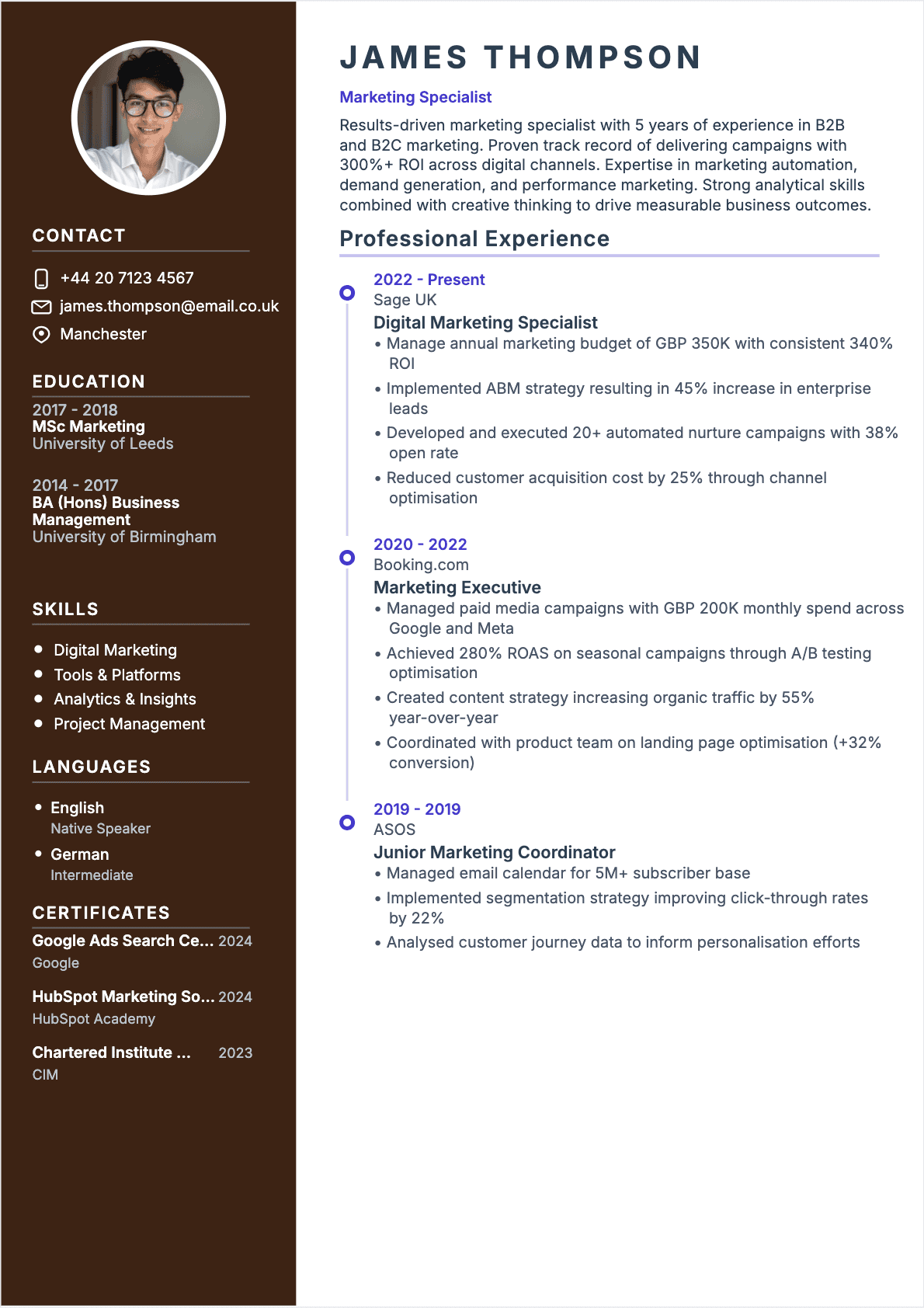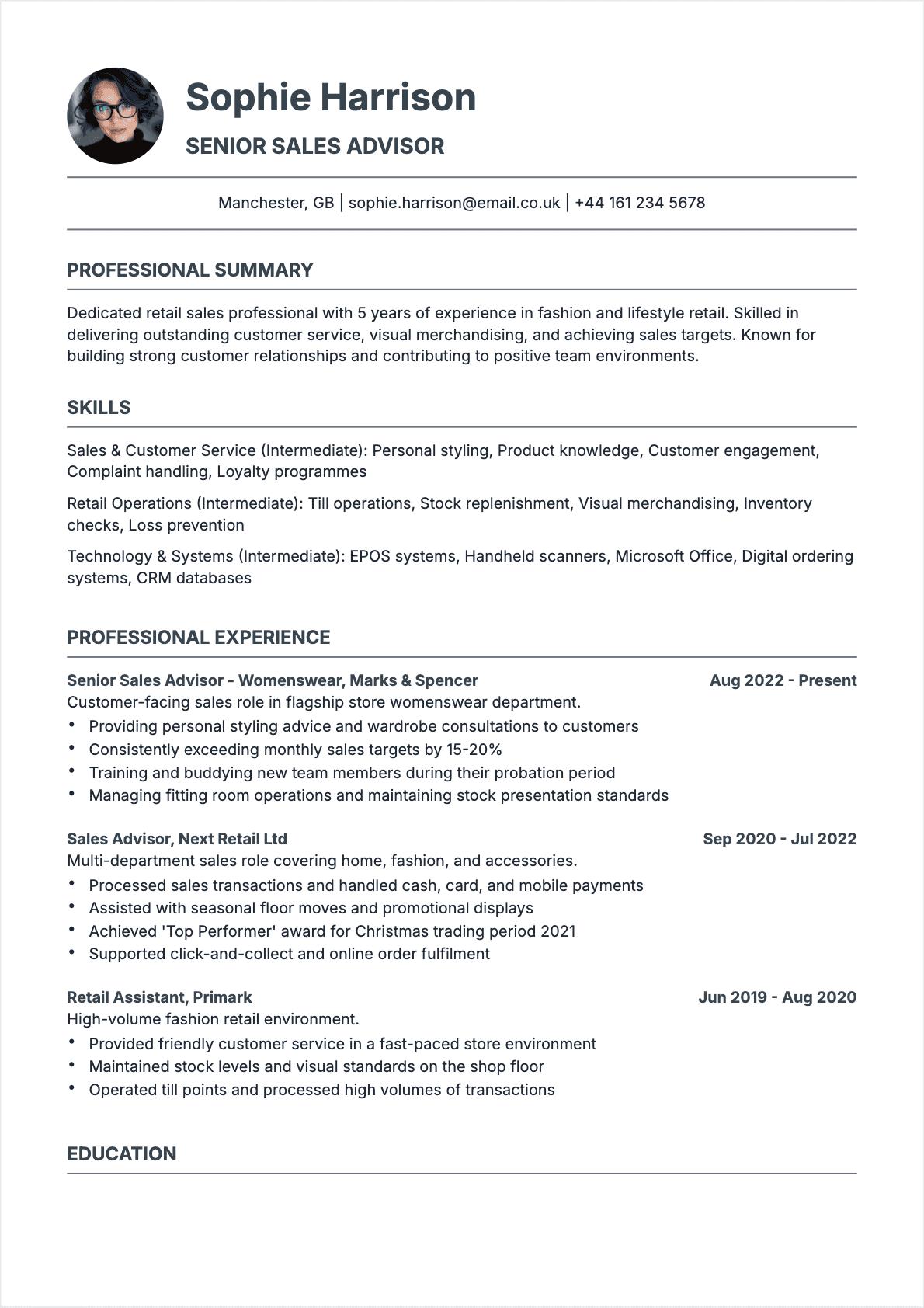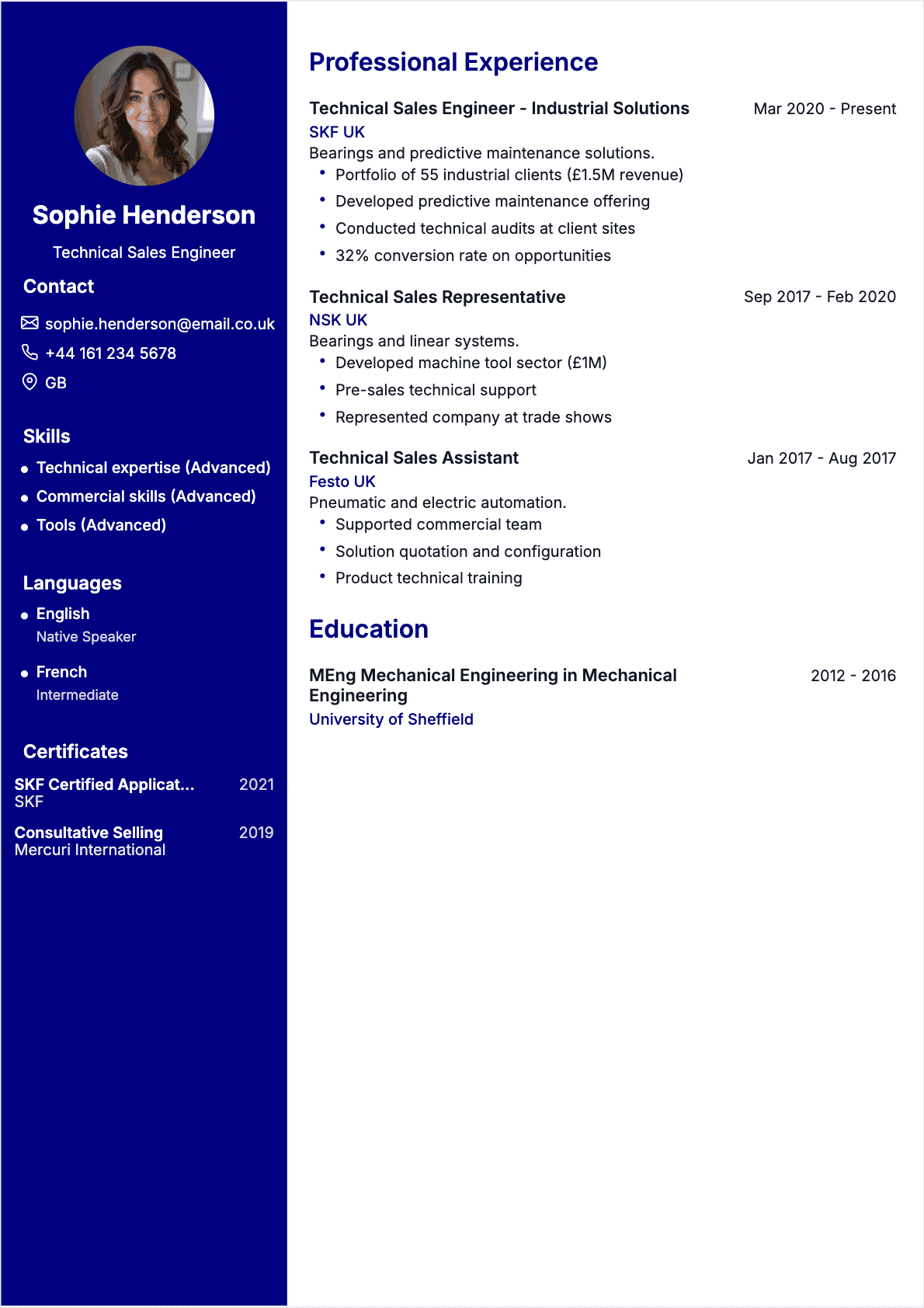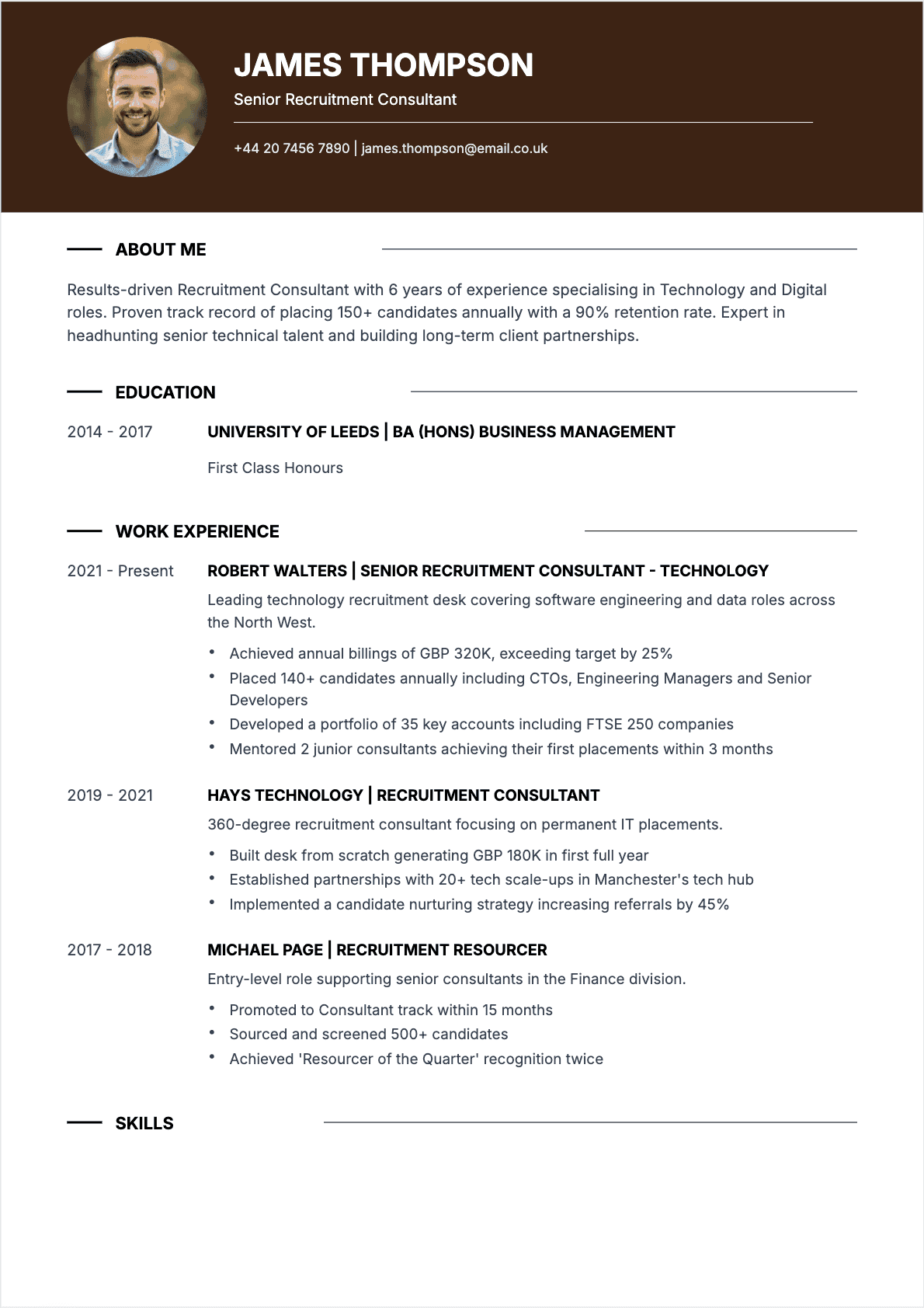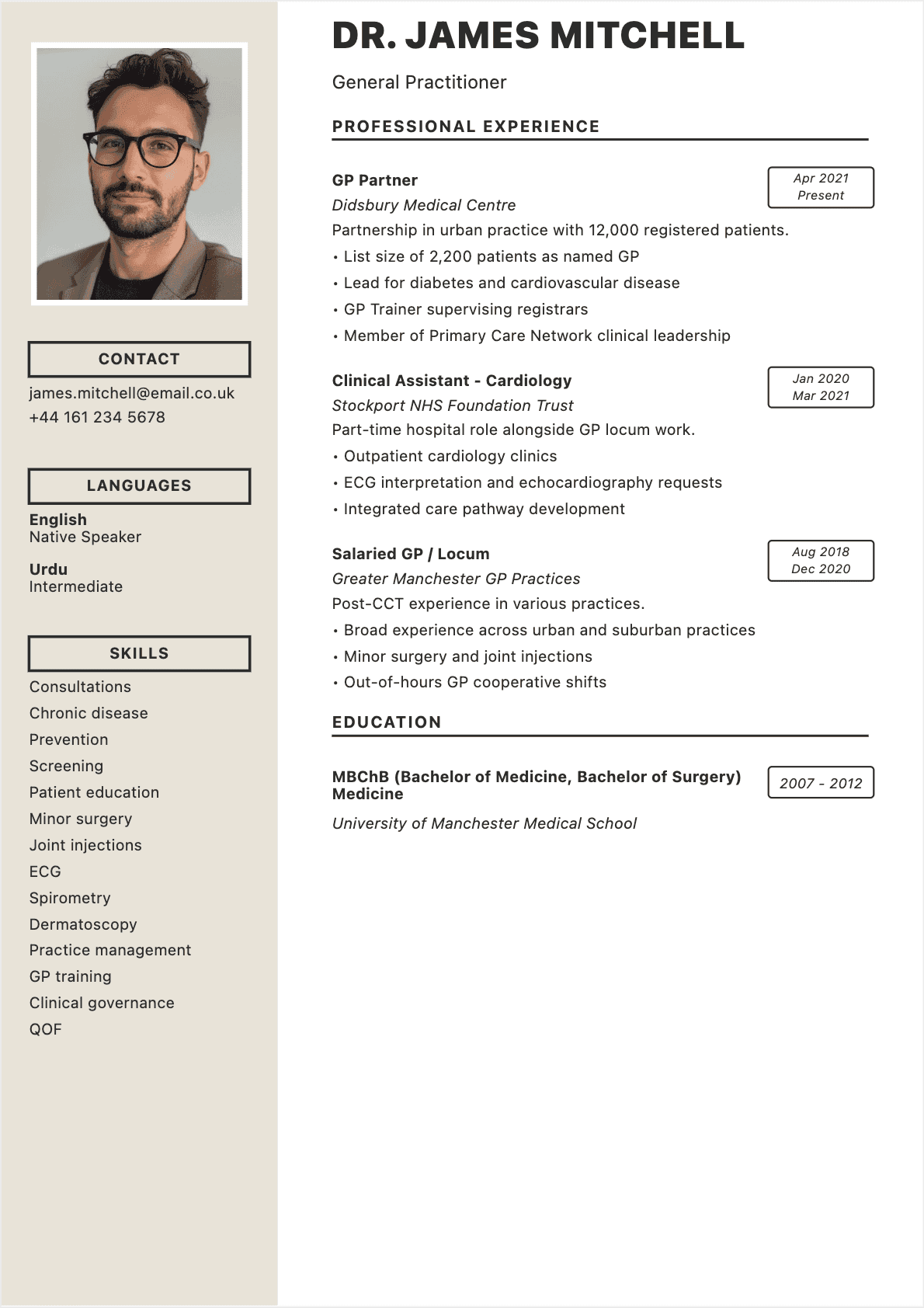

Recruiters in 2026 prioritize technical proficiency, adaptability, and cross-functional collaboration as the best CV skills. According to LinkedIn's 2026 Workforce Report, 89% of hiring managers reject resumes with misaligned skills sections. Applicant tracking systems scan skills keywords first, matching them against job descriptions within milliseconds. Strategic skill presentation—combining industry-specific expertise with soft skills like communication and problem-solving—significantly increases interview callback rates. Candidates should list skills that directly mirror job descriptions while demonstrating measurable impact and relevance to current market demands.
When I was running the talent acquisition desk at a Fortune 500 tech company in San Francisco, I reviewed roughly 400 resumes a week. And after ten years in recruiting, I can tell you something that still surprises people: the skills section is where most resumes either win an interview or lose it. Not the summary. Not the work experience. The skills. 🎯
Here is why that matters. According to LinkedIn's 2026 Workforce Report, 89% of hiring managers say a misaligned skills section is the single fastest reason they reject a resume. Meanwhile, applicant tracking systems (ATS) scan your skills before anything else, matching keywords against the job description in milliseconds. If your skills section doesn't align, your beautifully crafted resume never reaches a human pair of eyes.
But the opposite is also true: a well-constructed skills section acts like a magnet. It pulls recruiters in. It passes automated filters. It tells a hiring manager, in under five seconds, that you are worth a phone screen. I have seen candidates with less experience land interviews over more qualified competitors, simply because they understood how to present their skills strategically.
This guide is everything I wish I could tell every candidate who ever sent me a resume. We will cover what skills to list, how to choose them, how to present them for maximum impact, and how to survive the ATS gauntlet that stands between you and a human recruiter. Whether you are writing your first resume or repositioning yourself for a senior role, this is your complete playbook. 📚
Why Your Skills Section Can Make or Break Your Resume
Let me paint a picture. It is Monday morning. A recruiter at a mid-size SaaS company opens her ATS dashboard. There are 312 applications for a single marketing manager role posted on Friday afternoon. She has two hours before her first interview of the day. That gives her roughly 23 seconds per resume. ⏱️
What does she look at first? The skills. Every single time. Not because she doesn't care about your experience, but because the skills section is the fastest way to answer one question: Does this person have what we need?
A 2025 study by the National Association of Colleges and Employers found that 78% of employers use skills-based filtering as their primary screening method. The old model, where a degree from the right school opened doors, is fading. What has replaced it is a skills-first hiring paradigm, and it is reshaping how every resume should be built.
Consider this: when Microsoft, Google, and Apple all dropped degree requirements for the majority of their roles between 2023 and 2025, they replaced those requirements with specific, measurable skills. The message is clear. Employers don't want credentials. They want capabilities.
Your skills section is also the primary input for ATS software. Platforms like Workday, Greenhouse, and Lever parse your resume and assign a match score based on keyword alignment with the job posting. If your skills section doesn't contain the right terms, you get filtered out before a recruiter ever sees your name. A strong resume structure starts with understanding this reality.
The stakes are real. A CareerBuilder survey found that 54% of candidates are eliminated by ATS before reaching a human reviewer. Your skills section isn't decoration. It is survival. 🛡️
Hard Skills vs Soft Skills: Which Matter Most on Your Resume?
Before we get into specific skills, let's clarify a distinction that trips up a surprising number of job seekers. There are two fundamental categories of professional skills, and understanding the difference is essential for building a resume that works.
Hard skills are technical, teachable abilities that can be measured and tested. They are acquired through education, training, certifications, or hands-on experience. Examples include Python programming, financial modeling in Excel, Adobe Photoshop, SQL database management, or Google Analytics. You either know how to build a pivot table or you don't. There is no ambiguity.
Soft skills are interpersonal and behavioral competencies that shape how you work with others and approach challenges. They include communication, leadership, problem-solving, adaptability, and emotional intelligence. Unlike hard skills, they are harder to quantify, but research consistently shows they are equally important to employers.
A 2026 report from the World Economic Forum ranked the top skills employers are seeking. The list is telling: analytical thinking, creative thinking, AI and big data, leadership, and resilience all made the top ten. Notice the mix. Employers want people who can both do the work and navigate the workplace. 🧠
Here is how I think about it after years of hiring. Hard skills get you through the ATS. Soft skills get you through the interview. You need both on your resume, but they serve different purposes at different stages of the hiring process.
One critical mistake I see constantly: listing soft skills without evidence. Writing "strong communicator" on your resume means nothing. Showing that you "presented quarterly results to a board of 12 directors and secured approval for a $2M budget increase" means everything. We will cover how to do this effectively in the sections ahead.

Hard skills vs soft skills comparison for resume
The 20 Most In-Demand Skills Employers Want in 2026
Based on data from LinkedIn's Global Talent Trends, Indeed's Hiring Lab, and my own conversations with recruiting leaders at companies like Deloitte, Salesforce, and JPMorgan Chase, here are the 20 skills that are generating the most demand right now. 📈
Top 10 Hard Skills:
- Artificial Intelligence & Machine Learning (prompt engineering, model fine-tuning, AI integration)
- Data Analysis & Visualization (Tableau, Power BI, Python/pandas)
- Cloud Computing (AWS, Azure, Google Cloud Platform)
- Cybersecurity (risk assessment, compliance frameworks, incident response)
- Programming & Software Development (Python, JavaScript, TypeScript, Go)
- Project Management (Agile, Scrum, Jira, Asana)
- Digital Marketing & SEO (Google Analytics 4, content strategy, paid media)
- Financial Analysis & Modeling (Excel, Bloomberg Terminal, forecasting)
- UX/UI Design (Figma, user research, interaction design)
- Supply Chain & Operations Management (ERP systems, logistics optimization)
Top 10 Soft Skills:
- Critical Thinking & Problem Solving
- Communication (written and verbal)
- Leadership & Team Management
- Adaptability & Resilience
- Emotional Intelligence
- Cross-functional Collaboration
- Time Management & Prioritization
- Creativity & Innovation
- Conflict Resolution & Negotiation
- Customer-Centric Thinking
Notice a pattern? The hard skills list is dominated by technology and data. Even roles that were traditionally non-technical, like marketing, finance, and operations, now require fluency with digital tools. If you want to see the full landscape of skills to put on a resume in 2026, we have built an exhaustive list organized by industry and experience level.

Top 20 most in-demand resume skills in 2026
How to Identify Your Strongest Skills (Even If You're Unsure)
One of the most common things I heard from candidates during my recruiting career was, "I don't really know what my skills are." It always surprised me, because these were often incredibly talented people. They just hadn't learned to see their daily work as a collection of transferable, marketable abilities.
Here is a framework I developed that works for everyone, from recent graduates to senior executives:
Step 1: The Job Description Reverse-Engineering Method
Pull up five to seven job postings for roles you want. Copy every skill and requirement mentioned into a spreadsheet. Highlight the ones that appear in three or more postings. These are your target skills, the ones the market is explicitly asking for.
Step 2: The Daily Work Audit
For one week, keep a running list of every tool you use, every problem you solve, every process you manage. You will be surprised. That "thing you do with spreadsheets" might be advanced data analysis. That "meeting you run on Fridays" might be cross-functional stakeholder management. Reframe your habits as skills. 📝
Step 3: The Peer Feedback Loop
Ask three colleagues, one peer, one senior, and one junior, to name the top three things you are best at. The patterns that emerge across all three perspectives reveal your most visible, impactful abilities.
Step 4: The Skills-Evidence Matrix
Create a two-column table. Left column: the skill. Right column: a specific, measurable example of you using that skill. If you can't find evidence for a skill, it probably shouldn't be on your resume. If you have three or more examples, that skill deserves a prominent position.
This method works especially well if you are crafting a targeted resume for a specific role or industry. The more precisely you can match your proven skills to the employer's needs, the higher your response rate will be.
How to Present Skills for Maximum Impact
Identifying your skills is only half the battle. How you present them determines whether a recruiter sees you as a strong candidate or just another applicant. After reviewing thousands of resumes, I have seen every approach, and the data is clear on what works. 🏆
Format 1: The Categorized Skills Block
This is the most ATS-friendly and recruiter-approved format. Group your skills into clear categories and list them horizontally:
- **Technical: **Python, SQL, Tableau, AWS, Google Analytics 4, Jira
- **Marketing: **SEO strategy, content marketing, paid media, A/B testing, email automation
- **Leadership: **Team management (12 direct reports), Agile methodology, OKR planning
This format is clean, scannable, and gives the ATS exactly what it needs: clear, parseable keyword clusters.
Format 2: Skills Integrated into Experience Bullets
This is the gold standard for demonstrating proof behind your skills. Instead of just listing "project management," you show it in action:
- "Led a cross-functional team of 8 to deliver a $1.4M product launch 2 weeks ahead of schedule using Agile sprints in Jira"
- "Built automated financial reporting dashboards in Tableau, reducing monthly close time by 35%"
The best resumes use both formats. The dedicated skills section catches the ATS and gives a quick overview. The experience bullets provide the evidence that backs up every claim.
Format 3: Skills with Proficiency Levels
Use this cautiously. Listing "Excel: Expert" or "Spanish: Conversational" can add clarity, but avoid rating yourself on soft skills (nobody writes "Leadership: 7/10"). Stick to proficiency indicators for languages, software, and technical tools only.
Whichever format you choose, avoid the overused resume words that make every resume sound identical. "Team player," "hard worker," and "detail-oriented" have become background noise. Replace them with specific, evidence-backed statements.
Industry-Specific Technical Skills: Examples That Work
Generic advice only gets you so far. What actually matters is knowing which skills move the needle in your industry. Here is a breakdown based on current hiring data and conversations with hiring managers across six major sectors:
Technology & Software Engineering
- Must-have: Python, JavaScript/TypeScript, Git, CI/CD pipelines, cloud platforms (AWS/Azure/GCP)
- Rising fast: Generative AI integration, prompt engineering, Kubernetes, Rust
- Differentiator: Open-source contributions, system design, technical writing
Finance & Accounting
- Must-have: Excel (advanced), financial modeling, GAAP/IFRS, Bloomberg Terminal, QuickBooks/NetSuite
- Rising fast: Python for finance, Power BI, risk modeling, RegTech tools
- Differentiator: CFA/CPA credentials, M&A experience, cross-border tax knowledge
Marketing & Communications
- Must-have: Google Analytics 4, SEO/SEM, content management systems, social media strategy
- Rising fast: AI content tools, marketing automation (HubSpot, Marketo), influencer analytics
- Differentiator: Attribution modeling, brand strategy for Fortune 500 clients, multilingual campaigns
Healthcare & Life Sciences
- Must-have: EMR/EHR systems (Epic, Cerner), HIPAA compliance, clinical research methodology
- Rising fast: Telehealth platforms, health informatics, AI-assisted diagnostics
- Differentiator: FDA regulatory experience, biostatistics, peer-reviewed publications
Sales & Business Development
- Must-have: Salesforce, HubSpot CRM, pipeline management, consultative selling
- Rising fast: Sales intelligence tools (ZoomInfo, Apollo), AI-powered outreach, revenue operations
- Differentiator: Enterprise deal experience ($500K+), channel partnerships, expansion into new markets
Operations & Supply Chain
- Must-have: ERP systems (SAP, Oracle), lean methodology, inventory management, vendor negotiation
- Rising fast: Supply chain AI, predictive analytics, sustainability metrics
- Differentiator: Global logistics experience, ISO certifications, cost reduction at scale
Need more inspiration? Browse our resume examples collection to see how professionals in your field are presenting their skills right now.
The Soft Skills That Actually Impress Hiring Managers
I need to be blunt about something. Most candidates handle soft skills terribly on their resumes. They dump a list of vague adjectives, "motivated," "collaborative," "detail-oriented," and call it a day. Hiring managers see right through it. I used to see these lists hundreds of times a day, and they all blurred together. 🙅
The soft skills that actually make hiring managers pause and pay attention are the ones that come with proof. Here is how to present the seven most valuable soft skills in a way that actually works:
1. Leadership
Don't say: "Strong leader." Say: "Grew marketing team from 3 to 11 members in 18 months while maintaining 94% employee retention."
2. Communication
Don't say: "Excellent communicator." Say: "Authored technical documentation adopted by 200+ engineers across 4 product teams, reducing onboarding time by 40%."
3. Problem Solving
Don't say: "Creative problem solver." Say: "Identified a billing system error that had gone undetected for 8 months, recovering $340K in lost revenue."
4. Adaptability
Don't say: "Adapts to change." Say: "Transitioned entire customer success team to remote operations within 2 weeks during COVID-19, maintaining 98% client retention."
5. Collaboration
Don't say: "Team player." Say: "Partnered with engineering, design, and sales teams to launch 3 product features that drove $1.2M in new ARR."
6. Time Management
Don't say: "Great at multitasking." Say: "Managed a portfolio of 28 concurrent client accounts totaling $4.5M in annual revenue, consistently meeting 100% of SLA deadlines."
7. Emotional Intelligence
Don't say: "People person." Say: "Implemented a mentorship program for underperforming sales reps, improving team close rate by 22% over two quarters."
The pattern is clear. Every soft skill needs a number, a result, or a concrete example attached to it. That is what separates a resume that gets interviews from one that gets filed away.
Resume Skills and ATS: How to Beat the Automated Filters
Applicant tracking systems are the gatekeepers of modern hiring. Over 98% of Fortune 500 companies use one, and even most mid-size businesses have adopted ATS platforms in the last few years. If you don't understand how they work, you are applying into a black hole. 🕳️
Here is what happens when you submit your resume online. The ATS parses your document, extracting text and categorizing it into fields: name, contact info, education, experience, and skills. It then compares your skills against the keywords in the job description and assigns a match score. Recruiters typically set a threshold (often 60-80%), and only resumes above that threshold appear in their queue.
To optimize your skills section for ATS, follow these rules:
- **Mirror the job description. **If the posting says "project management," write "project management," not "managing projects." ATS software often does exact-match keyword scanning. Use the employer's language.
- **Include both spelled-out terms and acronyms. **Write "Search Engine Optimization (SEO)" the first time, then use "SEO" afterward. Some ATS platforms search for one but not the other.
- **Use standard section headings. **"Skills," "Technical Skills," or "Core Competencies" are reliably parsed. Creative headers like "My Toolkit" or "What I Bring" confuse parsing algorithms.
- **Avoid graphics, tables, and columns for your skills list. **Many ATS platforms cannot read text embedded in images, charts, or multi-column layouts. Use a simple, single-column list.
- **Don't stuff keywords. **ATS algorithms in 2026 are sophisticated enough to detect keyword stuffing. Listing "machine learning" fifteen times will flag your resume as spam, not boost your score.
- **Submit in .docx or PDF (as specified). **While PDF preserves formatting for humans, some older ATS platforms parse .docx more reliably. Always follow the employer's instructions.
For a deeper dive into the tools that can help you build an ATS-optimized resume from scratch, check out our guide to AI resume builders that handle formatting and keyword optimization automatically.
Mistakes That Destroy Your Skills Section
In my years as a recruiter, I developed what I call "the instant-reject list," patterns that made me skip a resume within seconds. These mistakes are more common than you think, and they are entirely avoidable. 🚨
- **Listing skills you can't back up. **If you write "fluent in Python" and cannot explain a basic function during a technical screen, you have just torpedoed your credibility. Only list skills you can demonstrate if asked.
- **Including outdated skills. **Nobody cares about your proficiency in Adobe Flash, Windows XP, or Microsoft FrontPage. Outdated skills signal that you haven't kept pace with your industry. Remove anything that hasn't been relevant for more than three years.
- **Being too vague. **"Computer skills" tells a recruiter nothing. "Advanced Excel (VLOOKUPs, pivot tables, macros)" tells them exactly what you can do. Specificity is your friend.
- **Copying the job description verbatim. **There is a difference between mirroring keywords and pasting entire bullet points from the job posting. Recruiters will notice, and it looks lazy.
- **Ignoring soft skills entirely. **A resume that only lists technical tools feels robotic. Hiring managers want to know you can communicate, lead, and collaborate, not just operate software.
- **Using skill bars or ratings. **Those little graphic bars showing "JavaScript: 80%" are meaningless. 80% of what? Compared to whom? They also fail ATS parsing. Skip them entirely.
- **Listing every skill you have ever acquired. **A skills section with 40 items is not impressive. It is unfocused. Aim for 10-15 highly relevant skills, curated for each application.
If you want a comprehensive rundown of what else can go wrong, read our guide to the top 10 most common resume mistakes and make sure you are not sabotaging your own applications.
The CAR Method: Context, Action, Result
If there is one framework that transformed how I coached candidates during my recruiting career, it is the CAR method. Context, Action, Result. It is the most effective way to turn a flat skill into a compelling story that makes hiring managers lean forward. 🚀
**Context: **Set the scene. What was the situation or challenge? What was at stake?
**Action: **What did you specifically do? What skills did you use? What decisions did you make?
**Result: **What happened? Quantify the outcome. Use numbers, percentages, dollar amounts, or time saved.
Here is the CAR method in practice:
Example 1: Data Analysis
- **Context: **Customer churn had increased 18% quarter-over-quarter with no clear diagnosis from the existing reports.
- **Action: **Built a predictive churn model using Python and Tableau, analyzing 2 years of customer behavior data across 14 variables.
- **Result: **Identified 3 key churn drivers, enabling targeted interventions that reduced churn by 31% within 6 months, recovering an estimated $890K in annual recurring revenue.
Example 2: Leadership
- **Context: **Inherited a sales team with the lowest performance metrics in the region and 40% annual turnover.
- **Action: **Redesigned the onboarding program, implemented weekly coaching sessions, and introduced a peer mentorship system.
- **Result: **Team exceeded quota by 112% within two quarters. Turnover dropped to 12%. Two team members were promoted to senior roles.
The CAR method works because it turns abstract skills into concrete proof. It answers the question every hiring manager is silently asking: "So what? What difference did this skill actually make?"
Apply CAR to your three to five strongest skills, and weave the results into your experience section. This is what separates resumes that say "I have this skill" from resumes that prove "I have used this skill to create measurable value."

CAR Method to showcase resume skills
Your Resume Skills Checklist
Before you submit your next application, run through this checklist. I used a version of this framework for every candidate I coached, and it consistently improved response rates. ✅
- **Relevance: **Have you tailored your skills to match this specific job description? A generic skills section loses to a targeted one every time.
- **Balance: **Do you have a mix of hard skills and soft skills? Aim for roughly 60% hard skills and 40% soft skills, adjusted for your role.
- **Evidence: **Can you back up every listed skill with a specific example? If not, either remove the skill or find the evidence.
- **ATS alignment: **Have you mirrored the exact keywords from the job posting? Check for both full terms and acronyms.
- **Recency: **Are all listed skills current and relevant to 2026? Remove anything that feels dated.
- **Formatting: **Is your skills section clean, scannable, and organized into categories? Avoid walls of text.
- **Quantity: **Do you have 10-15 well-chosen skills? Not too few (looks inexperienced), not too many (looks unfocused).
- **Proof integration: **Are your top skills also demonstrated in your experience bullets using the CAR method?
- **Proofreading: **Have you checked for typos, inconsistent formatting, and correct technical terminology?
- **External review: **Has someone in your target industry reviewed your skills section for accuracy and impact?
For a deeper walkthrough on building every section of your resume, not just skills, our comprehensive how to write a resume guide covers everything from your header to your references.
FAQ: Resume Skills Questions Answered
How many skills should I put on my resume?
Aim for 10 to 15 skills in your dedicated skills section, with an emphasis on the ones most relevant to the job you are applying for. Quality always beats quantity. A focused list of 12 precisely matched skills will outperform a wall of 30 generic ones.
Should I list skills separately or include them in my work experience?
Both. Use a dedicated skills section for ATS optimization and quick scanning by recruiters. Then reinforce your most important skills within your work experience bullets, using the CAR method to provide evidence. This dual approach gives you the best of both worlds.
What if I don't have many technical skills?
Technical skills are not limited to coding. Proficiency in Excel, familiarity with project management tools like Asana or Monday.com, experience with CRM software like Salesforce, or even advanced Google Workspace skills all count as technical competencies. Focus on the digital tools you use daily and present them confidently.
Can I include skills I'm currently learning?
Yes, but be transparent about your level. You can list a skill as "Currently pursuing AWS Solutions Architect certification" or "Foundational Python (completed 120-hour bootcamp)." Honesty builds trust. Claiming expertise you don't have will backfire in interviews.
Do I need to customize my skills for every application?
Absolutely. This is one of the most impactful things you can do. A targeted resume that mirrors the specific skills in each job description will consistently outperform a one-size-fits-all version. Keep a master list of all your skills, then select the 10-15 most relevant ones for each application.
Should I include hobbies that demonstrate skills?
Strategically, yes. Hobbies like competitive chess (strategic thinking), marathon running (discipline), or managing a blog (content creation, SEO) can subtly reinforce your professional skills. Our guide to interests and hobbies on your resume explains how to include them effectively without appearing unprofessional.
Are skill assessments on LinkedIn worth taking?
They can help. LinkedIn skill badges appear on your profile and signal to recruiters that you have verified competence. For in-demand skills like Excel, Python, or project management, the badges provide a quick credibility boost. They won't replace experience, but they are a useful supplement, especially for career changers or recent graduates.
What's the biggest mistake people make with resume skills?
Treating the skills section as an afterthought. Too many candidates spend hours perfecting their work experience and then throw a random list of skills together in two minutes. Your skills section is the front door of your resume. It determines whether recruiters walk in or walk away. Give it the strategic attention it deserves.
Your skills are not just a section on your resume. They are the answer to every employer's most fundamental question: Can this person do the job and do it well? When you choose the right skills, present them with evidence, and optimize for the systems that control the hiring process, you stop being one of 300 applicants. You become the one they call. 🌟
Start with the checklist above. Audit your current resume against these principles. And remember: every skill you list is a promise you are making to a future employer. Make sure you can deliver on every one of them.
— Eleanor Ashford, Career Strategist