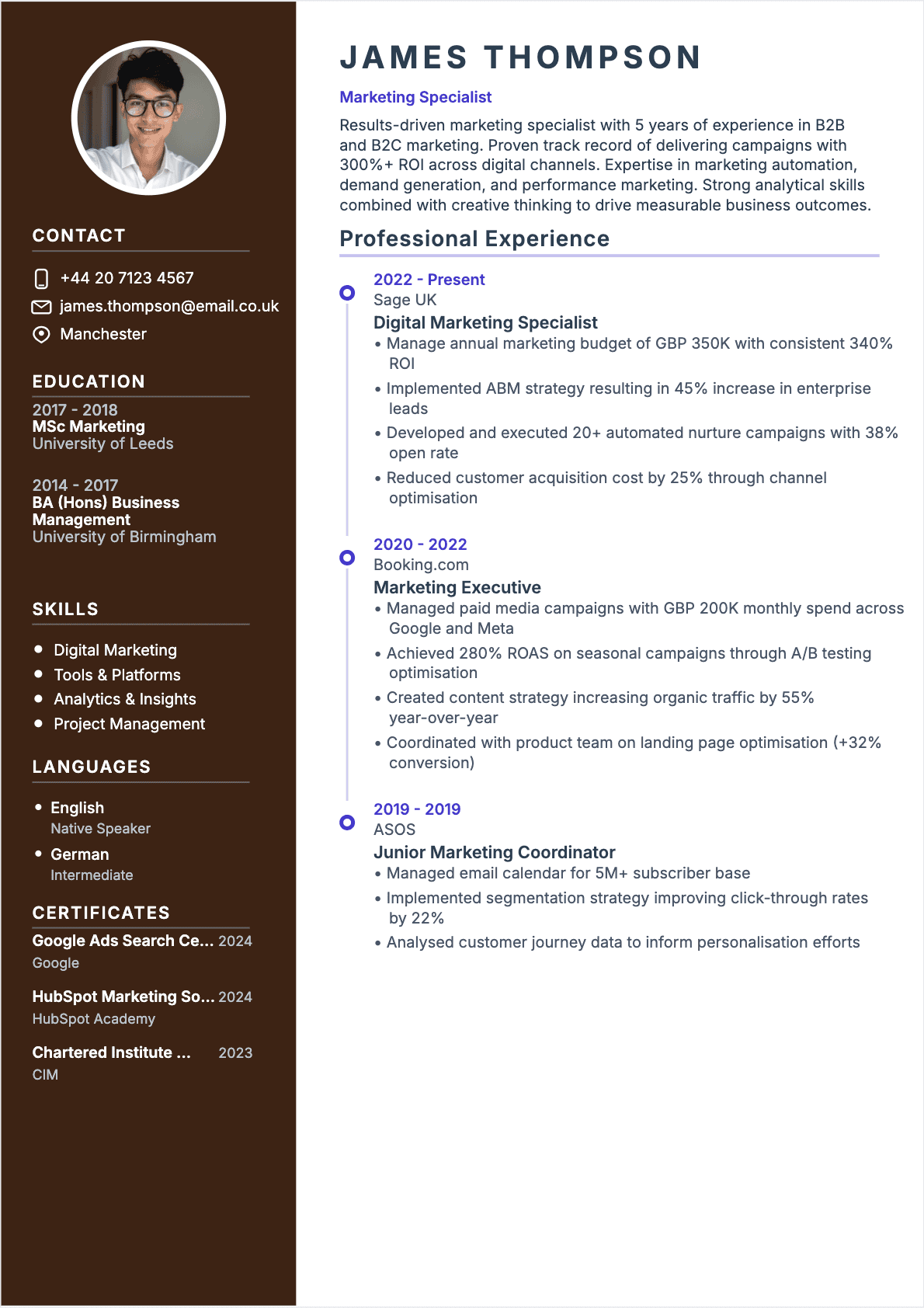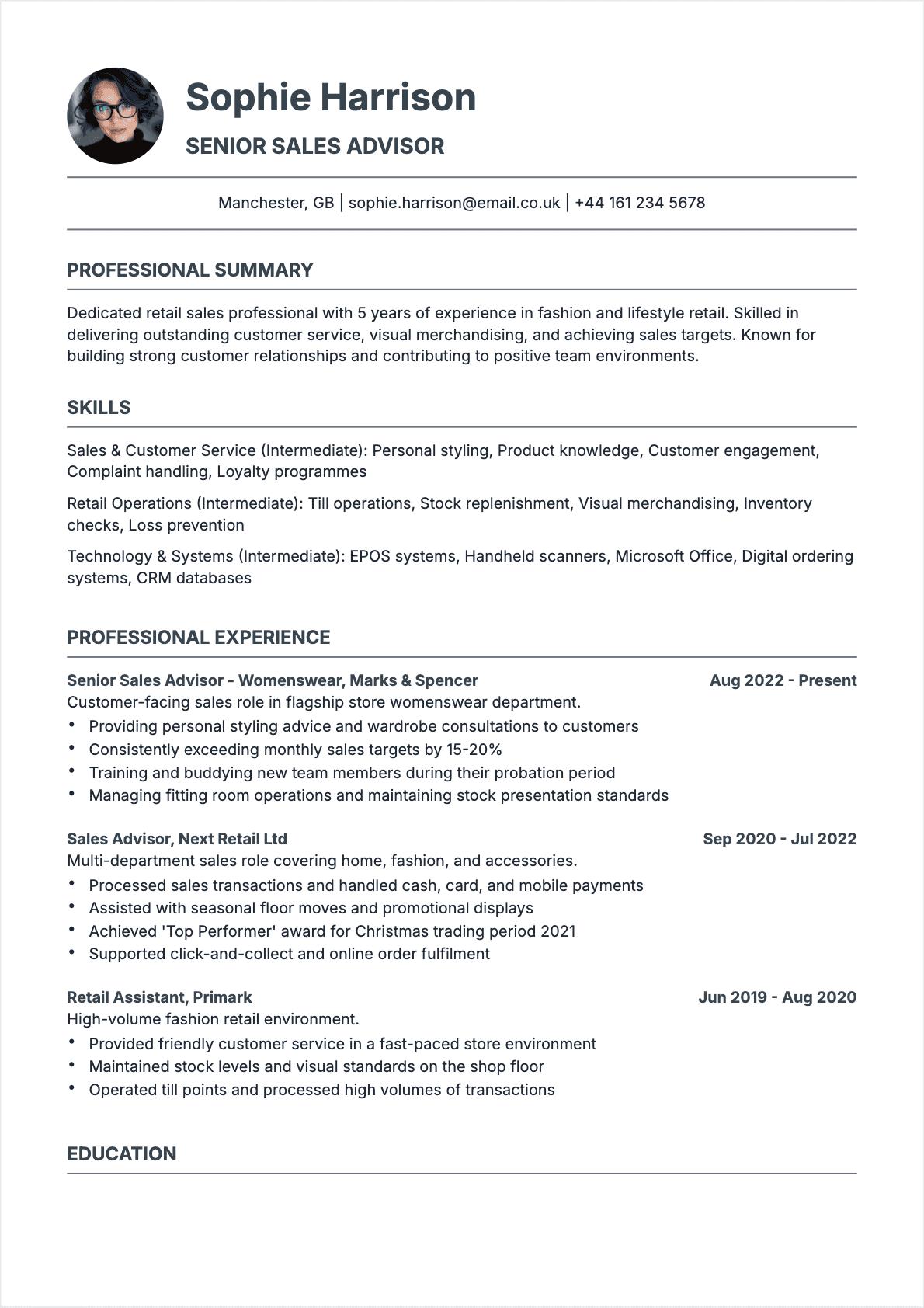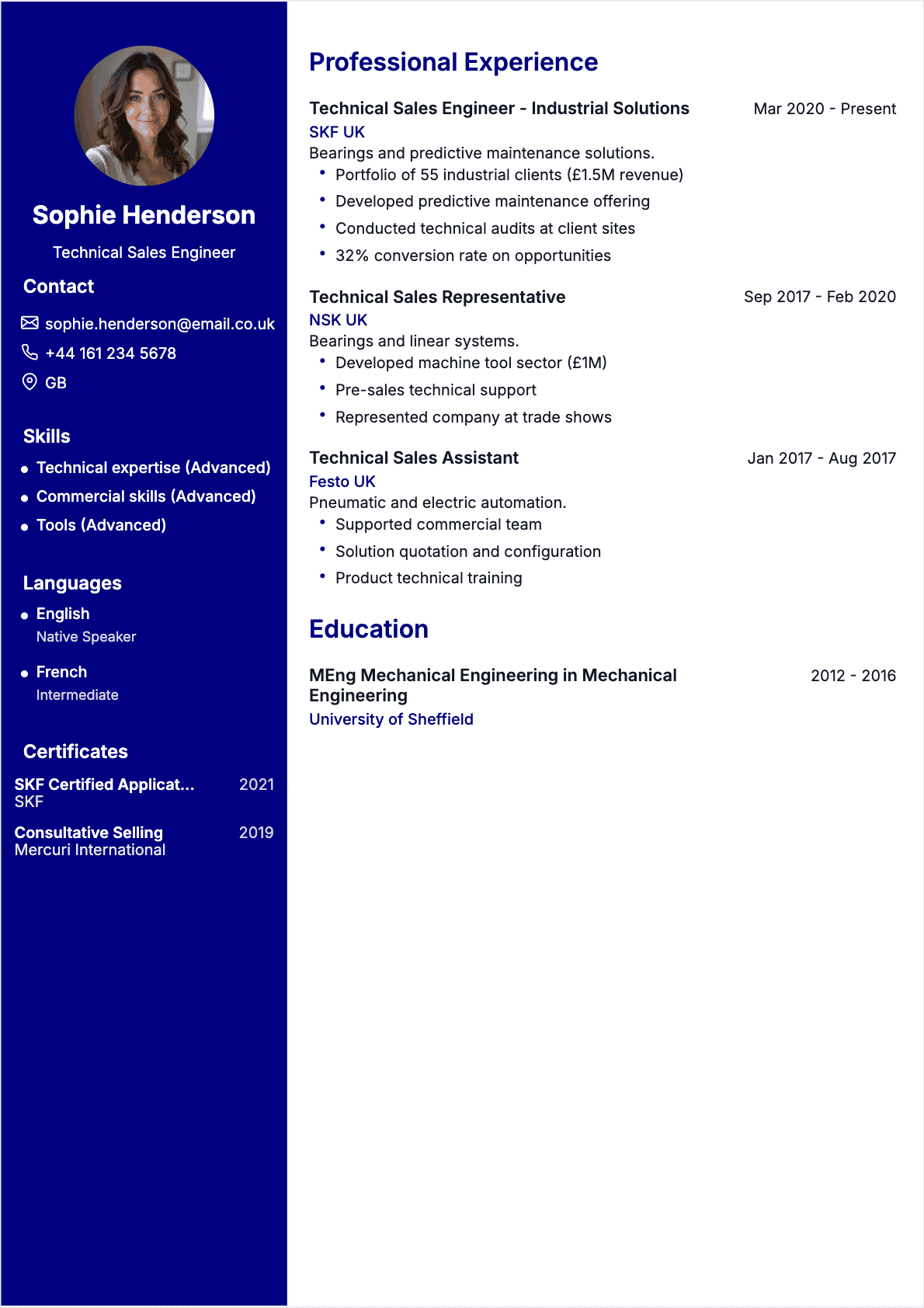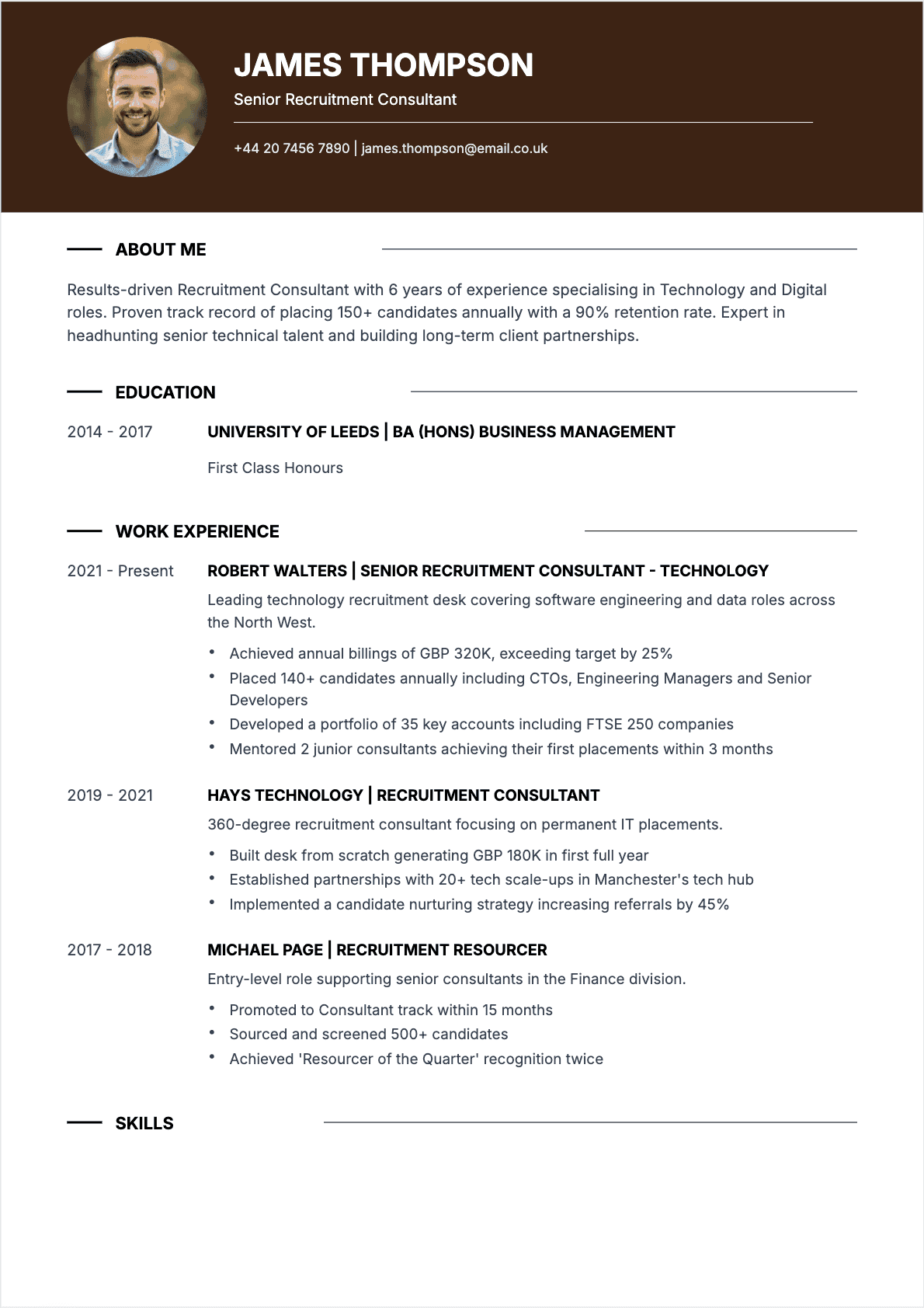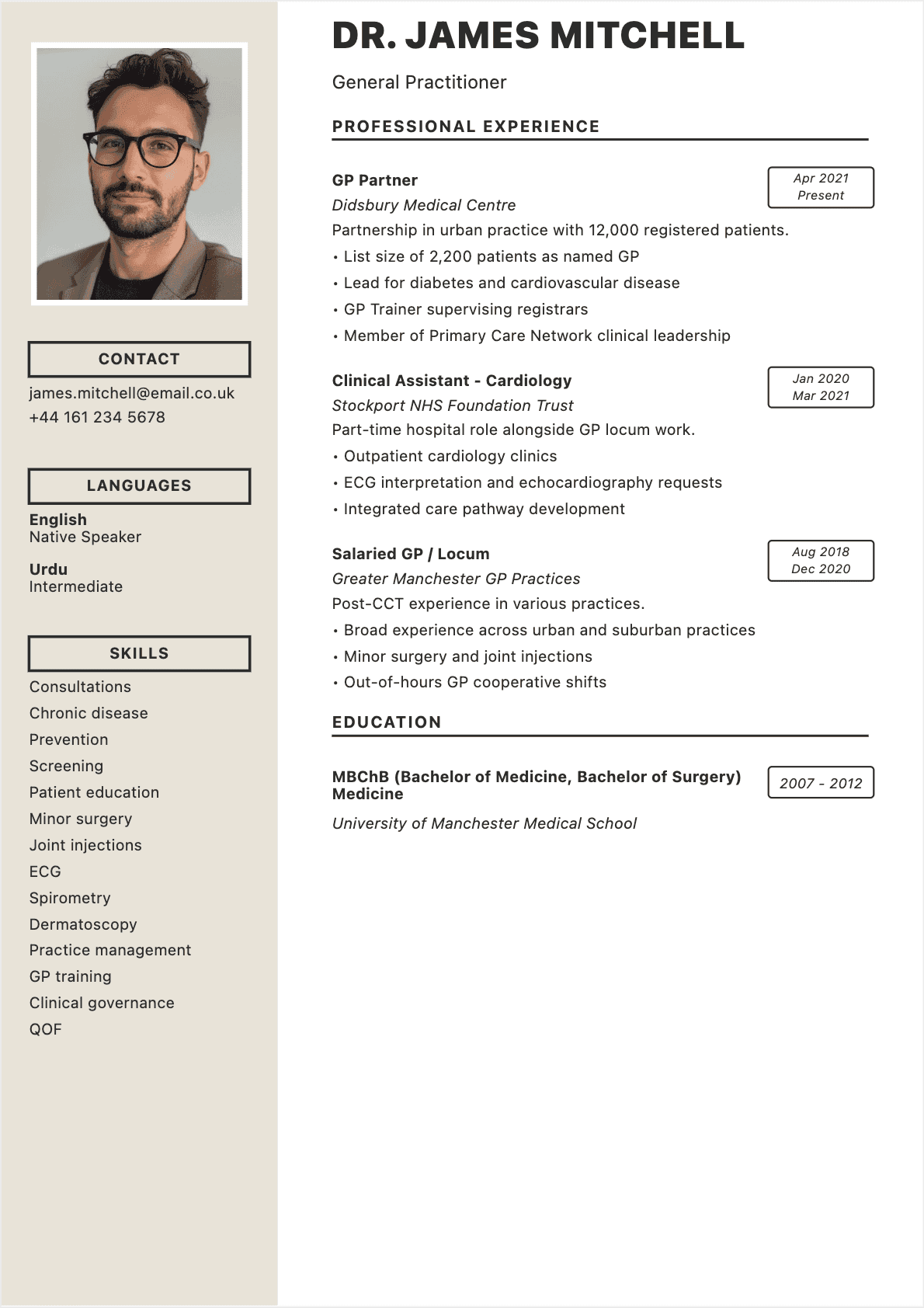

To get hired with no experience in 2026, candidates must reframe existing accomplishments as professional skills. Research shows recruiters spend only 6-8 seconds on initial resume scans, making strategic presentation critical. The strongest no-experience resumes highlight transferable skills from academic projects, volunteer work, internships, or personal initiatives—demonstrating leadership, project management, and measurable results. Success requires positioning any relevant experience, however unconventional, as directly applicable to the target role rather than leaving gaps unexplained.
During my eight years as a tech recruiter in New York and London, I reviewed roughly 22,000 resumes. And here is a pattern that always stood out: candidates with zero formal work experience often submitted the strongest applications -- when they knew how to frame what they had.
That might sound counterintuitive. But think about it. A recent graduate who led a campus fundraiser, coordinated volunteers, managed a budget, and delivered measurable results has done real work. A stay-at-home parent who ran household logistics, negotiated with contractors, and managed schedules has transferable skills that Fortune 500 companies pay handsomely for.
The problem is not a lack of experience. The problem is not knowing how to present the experience you already have. In 2026, with the average corporate job posting attracting 250+ applicants and ATS software filtering out 75% of resumes before a human ever sees them, you cannot afford to waste a single line on your resume.
This guide will show you exactly how to build a resume with no experience that lands interviews. Whether you are a college student, a career changer, a recent immigrant, or someone re-entering the workforce after a gap -- you will walk away with a concrete, step-by-step system for turning what you have into what employers want.
We will cover everything: the right resume format to use, how to write a professional summary that hooks recruiters, where to find experience you did not know you had, ATS optimization strategies, real before-and-after examples from candidates I have coached, and a complete FAQ addressing the questions I hear most often. Let's get started.
Why Having No Experience Is Not the Disadvantage You Think
Here is a stat that surprises most job seekers: according to a 2025 LinkedIn Workforce Report, 46% of hiring managers said they hired at least one candidate with no direct experience in the past year. The reason? Companies increasingly value potential, adaptability, and cultural fit over checkbox qualifications.
The shift is especially pronounced in the US and UK markets. With labor shortages in healthcare, logistics, tech support, and skilled trades, employers are actively looking for trainable candidates who demonstrate:
- Initiative: evidence that you pursue goals without being told to
- Learning agility: proof you can pick up new skills quickly
- Reliability: a track record of showing up, meeting deadlines, and following through
- Communication: the ability to express ideas clearly in writing and in person
None of these require a job title. All of them can be demonstrated through volunteer work, academic projects, extracurricular activities, freelance gigs, personal projects, or even structured self-study.
Consider this: the Bureau of Labor Statistics reports that 35% of US workers participate in some form of volunteer activity. If you are one of them, you already have resume material. The same applies to anyone who has completed online certifications, managed a side project, tutored peers, or organized community events. The modern job market rewards versatility, and your non-traditional background may actually make you a more compelling candidate than someone with a narrow, single-company trajectory.
The key is reframing your mindset. You are not writing a resume despite having no experience. You are writing a resume that showcases different kinds of experience. For the foundational principles of resume writing, start with our complete guide on how to write a resume.
Choosing the Right Resume Format When Experience Is Thin
The format of your resume matters more when you have less to work with. The wrong structure magnifies gaps; the right one highlights strengths.
The Functional Resume (Skills-Based)
A functional resume groups your qualifications by skill category rather than by employer. This is ideal if you have no traditional work history but possess relevant skills from multiple sources.
Structure:
- Contact information and professional summary
- Skills sections (3-4 categories, each with 2-3 bullet points proving the skill)
- Education
- Additional experience (volunteer work, projects, certifications)
The functional format works well for career changers, recent graduates with diverse extracurricular involvement, and anyone re-entering the workforce after a gap.
The Combination Resume (Hybrid)
A combination resume leads with a skills summary but still includes a brief chronological section. This is the format I recommend most often for no-experience candidates because it satisfies both human readers and ATS systems.
For a deep dive into format options and when to use each one, read our guide to the best resume formats.
What to Avoid
- Pure chronological format: this exposes the lack of work history immediately
- Creative or infographic resumes: ATS cannot parse them, and they distract from content
- One-column walls of text: hard to scan, especially when content is limited
Writing a Professional Summary That Hooks Recruiters
Your professional summary is the first thing a recruiter reads after your name. It is your elevator pitch -- 3 to 4 lines that answer one question: "Why should I keep reading?"
For candidates with no experience, the summary must accomplish three things:
- State who you are and what you bring (education, key skills, relevant context)
- Highlight 1-2 concrete accomplishments or qualifications
- Signal enthusiasm and direction (what role or field you are targeting)
Bad example:
"Recent graduate looking for an entry-level position. Hardworking and eager to learn. Team player with good communication skills."
This says nothing specific. Every applicant could write this.
Good example:
"Dean's List honors graduate (GPA 3.8) in Communications from UCLA with hands-on social media management experience through a 6-month nonprofit internship. Grew Instagram following by 340% and coordinated 12 campus events averaging 200+ attendees. Seeking a marketing coordinator role to apply data-driven content strategy skills."
Notice the difference: numbers, context, specificity. This summary tells the recruiter exactly what to expect in the rest of the resume.
Experience You Already Have (And How to Frame It)
One of the biggest mistakes no-experience candidates make is leaving sections blank. You have more experience than you think. Here are the most common sources and how to present them on a resume.
Internships and Co-ops
Even a short unpaid internship counts. Focus on what you accomplished, not what you were responsible for.
Before:
"Assisted the marketing team with various tasks.."
After:
"Drafted 24 social media posts per week across 3 platforms, contributing to a 15% increase in engagement over 2 months. Created a competitor analysis report used by the VP of Marketing in Q3 strategy planning."
Volunteer Work and Community Service
Volunteering demonstrates initiative, empathy, and commitment -- three traits employers actively seek. If you organized a food drive, tutored underserved students, or coordinated volunteers at a shelter, these are leadership experiences.
List them under a "Volunteer Experience" or "Community Involvement" section and format them exactly like professional experience: organization name, your role, dates, and 2-3 bullet points with results.
Campus Activities and Student Organizations
Served as treasurer of your fraternity or sorority? Organized events for the debate club? Led a student government initiative? These demonstrate project management, budgeting, public speaking, and collaboration.
American employers understand Greek life, honor societies (Phi Beta Kappa, Dean's List), and student government. British employers recognize society leadership, student union roles, and academic prizes. Use these credentials -- they carry weight.
Freelance, Gig Work, and Side Projects
Sold items on Etsy? Built a personal website? Managed someone's social media? Tutored students on Wyzant or Chegg? These count. The gig economy has normalized non-traditional work, and recruiters in 2026 respect it.
To understand which of these experiences translate into resume-worthy skills, explore our complete list of skills to put on a resume in 2026.
Study Abroad and Travel
If you studied abroad, completed an international exchange, or traveled extensively, you gained cross-cultural communication skills, adaptability, and independence. Frame it concretely: "Completed a semester at the University of Barcelona, conducting all coursework in Spanish and collaborating with students from 14 countries on a group research project."

5 Resume Sections That Replace Work Experience
The Education Section: Your Secret Weapon
When work experience is limited, your education section moves to the top of the resume and does the heavy lifting. Here is how to maximize it.
Include these elements:
- Degree and major: be specific ("B.A. in Political Science" not just "B.A.")
- GPA: if 3.0 or higher, include it. Dean's List or Latin honors? Absolutely include them
- Relevant coursework: list 4-6 courses directly related to your target role
- Academic projects: describe 1-2 significant projects with outcomes
- Awards and scholarships: merit-based awards show competitive achievement
- Study abroad: language skills and cultural adaptability
Example:
"B.S. in Business Administration, University of Michigan -- Ann Arbor (May 2025). GPA: 3.6/4.0, Dean's List (6 semesters). Relevant coursework: Financial Modeling, Data Analytics, Consumer Behavior, Digital Marketing Strategy. Capstone: Developed a go-to-market plan for a local startup, projecting 22% revenue increase in Year 1 (presented to company CEO)."
If you did not attend college, list your high school diploma, GED, trade certifications, online courses (Coursera, edX, Google Career Certificates), or bootcamp completions. In 2026, skills-based credentials are increasingly valued by employers, especially in tech, healthcare, and skilled trades.
A growing number of employers -- including Google, Apple, IBM, and Bank of America -- have dropped degree requirements for many roles. What matters is demonstrable competence. A coding bootcamp graduate who can show a portfolio of real projects may be more attractive than a CS major with no practical experience. A medical assistant certification from an accredited program opens doors immediately. Focus on what you have completed and what it proves you can do.
How to Build a Skills Section That Beats ATS
Applicant Tracking Systems scan your resume for keywords that match the job description. If those keywords are missing, your resume is filtered out before a human ever sees it. For no-experience candidates, the skills section is where you close the gap.
Hard Skills vs. Soft Skills
You need both, but they serve different purposes:
- Hard skills are teachable, measurable abilities: Excel, Python, CPR certification, Adobe Photoshop, QuickBooks, SQL
- Soft skills are interpersonal qualities: leadership, time management, conflict resolution, public speaking
The mistake most candidates make is listing soft skills as standalone words. "Team player" means nothing. "Coordinated a team of 8 volunteers to execute a campus-wide recycling initiative, diverting 2,400 lbs of waste from landfills in one semester" proves teamwork.
Mining Job Descriptions for Keywords
Here is a practical technique: copy the job description into a word frequency tool. Identify the 10-15 most repeated terms. Then weave those exact terms into your resume -- in your summary, skills section, and experience bullet points.
For example, if a job posting for an administrative assistant mentions "scheduling," "calendar management," "Microsoft Office," and "data entry" multiple times, your resume must include those exact phrases. Do not rephrase "scheduling" as "time coordination."
To tailor your resume for maximum impact, follow the strategies in our guide to creating a tailored resume.
Certifications That Add Instant Credibility
Free or low-cost certifications can dramatically strengthen a no-experience resume:
- Google Career Certificates: Data Analytics, IT Support, Project Management, UX Design
- HubSpot Academy: Inbound Marketing, Content Marketing, Social Media
- CompTIA: A+, Network+, Security+ (IT careers)
- Coursera/edX: University-branded certificates from Stanford, MIT, Wharton
- First Aid/CPR: American Red Cross, St John Ambulance (UK)

Transferable Skills Matrix by Source
Turning Hobbies and Interests Into Resume Gold
Most resume guides tell you to skip the hobbies section. I disagree -- especially for candidates with limited experience. A well-crafted interests section can be the tiebreaker that lands you an interview.
The key is relevance and specificity. Compare these:
Weak:
"Hobbies: reading, traveling, cooking."
Strong:
"Interests: Marathon runner (completed 3 marathons, including NYC 2025 in 3:42). Host a weekly book club analyzing leadership and behavioral economics titles. Volunteer cooking instructor at Downtown Community Kitchen, teaching healthy meal prep to 15+ families weekly."
This version demonstrates discipline, intellectual curiosity, community involvement, and teaching ability -- all without a single job title.
Certain hobbies are particularly valuable for specific industries. Gaming and esports signal strategic thinking and teamwork to tech companies. Competitive debate or Model UN demonstrate argumentation skills valued in law and consulting. Blogging or content creation proves writing and marketing ability. Sports leadership shows coaching, discipline, and performance under pressure. Choose interests that reinforce the narrative your resume is building.
For more on leveraging your interests strategically, read our guide to hobbies and interests on a resume.
5 Before-and-After Resume Examples for No-Experience Candidates
Theory is helpful, but examples make the difference. Here are five real transformations from candidates I have coached (names changed for privacy).
Example 1: Recent College Graduate Targeting Marketing
Before (objective statement):
"Looking for an entry-level marketing position where I can use my degree and grow professionally."
After (professional summary):
"UCLA Communications graduate (GPA 3.7, Phi Beta Kappa) with 8 months of hands-on digital marketing experience through internship and campus leadership. Managed $4,200 ad budget for student film festival, achieving 18,000 impressions and 96% ticket sell-through rate. Google Ads and HubSpot Inbound Marketing certified."
Example 2: Career Changer from Retail to Administrative
Before:
"Cashier at Target for 3 years. Looking to transition to an office job."
After:
"Detail-oriented professional with 3 years of high-volume customer service experience (averaging 200+ daily transactions). Skilled in POS systems, inventory management, and schedule coordination. Trained 12 new hires on company procedures and register operations. Seeking an administrative assistant role to apply strong organizational and communication skills."
Example 3: High School Graduate with Volunteer Work
Before:
"No work experience. Graduated from Lincoln High School."
After:
"Lincoln High School graduate and 2-year volunteer at Habitat for Humanity (120+ hours). Coordinated material donations from 8 local businesses. Earned First Aid/CPR certification and completed Google IT Support Professional Certificate. Seeking a customer service role to apply problem-solving and interpersonal skills developed through community work."
Example 4: International Student in the US
Before:
"International student from Brazil studying Computer Science. Looking for internship."
After:
"Computer Science junior at Georgia Tech (GPA 3.5) with full-stack development experience through 3 personal projects and a hackathon win (HackGT 2025, 1st place among 180 teams). Built a React/Node.js task management app with 400+ GitHub stars. Fluent in English and Portuguese. Authorized for CPT/OPT employment."
Example 5: Parent Re-entering the Workforce
Before:
"Stay-at-home mom for 5 years. Previously worked in accounts payable."
After:
"Accounts payable specialist (4 years at Deloitte) returning to the workforce after a planned career break. During break: completed QuickBooks ProAdvisor certification, managed household finances and renovation projects ($45K budget), and served as PTA treasurer for a 600-student elementary school, overseeing a $28K annual budget. Proficient in Excel, SAP, and NetSuite."
Notice the pattern across all five examples: specificity, numbers, and relevance. Every bullet point answers the question "So what?" with evidence.

Before/After No-Experience Resume Comparison
Common Mistakes No-Experience Candidates Make
Knowing what to do is half the battle. Knowing what not to do saves you from self-sabotage. Here are the errors I see most frequently.
- Using an objective statement instead of a professional summary: "Looking for an entry-level position" tells the recruiter nothing. Replace it with a summary that proves your value.
- Leaving sections blank: a resume with only education and a two-line objective screams "I have nothing to offer." Fill the space with skills, projects, volunteer work, certifications, and interests.
- Including irrelevant personal information: your age, marital status, Social Security number, and high school GPA (if you have a college degree) do not belong on a US/UK resume.
- Using a generic resume for every application: ATS systems rank resumes by keyword match. A generic resume matches no one. Customize for each job.
- Listing duties instead of achievements: "Responsible for answering phones" vs. "Handled 50+ inbound calls daily, routing inquiries with 98% first-call resolution." Always lead with impact.
- Ignoring formatting basics: inconsistent fonts, misaligned bullet points, and walls of text signal carelessness. Use clean formatting and plenty of white space.
- Sending a PDF that ATS cannot read: if your resume was designed in Canva or exported as an image, the ATS sees a blank page. Always test by pasting into a plain text editor.
One more mistake worth highlighting: underestimating the power of a strong email address. If your email is something like partygirl99@hotmail.com or xXsniper420Xx@yahoo.com, create a professional address before you apply anywhere. A simple firstname.lastname@gmail.com costs nothing and signals basic professionalism. I have personally rejected candidates whose qualifications looked promising but whose contact details suggested they were not serious about their career.
For a complete breakdown of resume pitfalls, read our guide to the most common resume mistakes.
ATS Optimization for No-Experience Resumes
In 2026, over 98% of Fortune 500 companies use an Applicant Tracking System. Smaller companies increasingly adopt them too, with platforms like Greenhouse, Lever, and Workday becoming the norm even at startups. If your resume does not pass the ATS, it does not matter how qualified you are.
ATS Essentials Checklist
- Use a standard file format: .docx or text-based PDF. Never .png, .jpg, or Canva exports
- Stick to standard section headings: "Education," "Experience," "Skills," "Certifications" -- not "My Journey" or "What I Bring"
- Avoid headers and footers: many ATS systems cannot read text placed in header/footer areas
- No tables, columns, or text boxes: these break the parsing order and jumble your information
- Use standard fonts: Arial, Calibri, Helvetica, Times New Roman at 10-12pt
- Include exact keywords from the job posting: if the listing says "customer relationship management," do not write "CRM" without also spelling it out
- Mirror the job title: if they are hiring a "Client Success Associate," use that title in your summary, not "Customer Support Specialist"
Pro tip: after tailoring your resume, paste both the job description and your resume into a plain text file side by side. Manually check that every major keyword in the posting appears somewhere in your resume. This 10-minute exercise can mean the difference between ATS rejection and landing in the recruiter's inbox.
A well-optimized resume dramatically increases your odds. Combine ATS strategy with the right format by exploring our AI-powered resume builder, which automatically optimizes keywords and structure for you.
Leveraging LinkedIn, Indeed, and Networking
Your resume does not exist in a vacuum. In the US and UK job markets, your online presence is an extension of your application. Here is how to use digital tools to amplify a no-experience resume.
LinkedIn for Entry-Level Candidates
Over 87% of recruiters use LinkedIn to vet candidates. Your LinkedIn profile should mirror your resume -- same summary, same skills, same credentials. But LinkedIn also lets you do things your resume cannot:
- Request recommendations: ask professors, internship supervisors, volunteer coordinators, or mentors to write a short endorsement
- Showcase projects: use the Featured section to upload presentations, writing samples, or portfolio links
- Join industry groups: participate in discussions to demonstrate knowledge and build connections
- Use the Open to Work feature: visible only to recruiters, this signals availability without broadcasting to your current network
Job Boards and Application Strategy
Indeed, Glassdoor, LinkedIn Jobs, and Handshake (for students) are the primary platforms. Apply strategically:
- Set up keyword alerts for entry-level roles in your target field
- Research companies on Glassdoor before applying (culture fit matters)
- Apply within the first 48 hours of a posting (early applicants get 8x more views)
- Follow up with a personalized LinkedIn message to the hiring manager
The Hidden Job Market
An estimated 70% of jobs are never publicly posted. They are filled through referrals, networking, and internal promotions. For no-experience candidates, this is actually an advantage -- personal connections can bypass ATS entirely.
Attend career fairs, alumni events, and industry meetups. Reach out to professionals on LinkedIn for informational interviews. Every conversation is a potential job lead.
Here is a networking script that works: "Hi [Name], I am a recent [major] graduate from [university] exploring opportunities in [field]. I noticed your experience at [company] and would love to learn about your career path. Would you have 15 minutes for a quick virtual coffee?" Keep it short, specific, and low-pressure. Most professionals are happy to help -- they remember being in your shoes.
Your Step-by-Step Action Plan to Build a Winning Resume
You now have all the knowledge you need. Here is your concrete action plan, broken into manageable steps:
- Choose your format: functional or combination resume. Avoid pure chronological if you have no traditional work history.
- Write your professional summary: 3-4 lines with a specific accomplishment, your education or key credential, and your target role.
- Build your experience section: include internships, volunteer work, campus activities, freelance projects, and personal projects. Format them with organization name, role, dates, and 2-3 result-driven bullet points each.
- Maximize your education: GPA (if strong), honors, relevant coursework, capstone projects, study abroad.
- Create a targeted skills section: extract keywords from the job posting and weave them into your skills list. Include both hard and soft skills with context.
- Add certifications and interests: Google certificates, HubSpot certifications, relevant hobbies with specificity and proof of commitment.
- Optimize for ATS: standard headings, clean formatting, exact keyword matches, text-based PDF.
- Proofread ruthlessly: read aloud, use Grammarly and Hemingway, have a friend review it. Zero spelling errors.
- Align your LinkedIn profile: mirror your resume content, request recommendations, showcase projects.
- Customize for each application: tweak your summary, skills, and keywords for every job you apply to. A tailored resume outperforms a generic one by 3-5x.
Time commitment: plan for about 4-6 hours total to build your first resume from scratch. Once you have a strong base document, customizing it for each new application should take 20-30 minutes. That investment pays for itself with the first interview it lands you.
Remember, your resume is a living document. Update it every time you complete a certification, finish a volunteer project, or develop a new skill. The candidates who keep their resumes current are the ones who are always ready when opportunity knocks.
Ready to put this plan into action? Our free resume builder walks you through each step with intelligent suggestions, ATS optimization, and professional templates designed for candidates at every experience level.
FAQ: Resume With No Experience
Can I really get hired with no work experience?
Absolutely. According to NACE (National Association of Colleges and Employers), over 60% of employers hire candidates based on internship and extracurricular experience alone. Employers in entry-level roles expect to train new hires. What they screen for is potential: initiative, reliability, communication skills, and willingness to learn. A well-crafted resume demonstrates all of these without traditional employment. Many of the most successful professionals I recruited -- now in senior roles at companies like Amazon, Deloitte, and JPMorgan -- started with no formal work experience on their resumes. What set them apart was how thoughtfully they presented what they had.
How long should a no-experience resume be?
One page. Always. With limited professional history, a single page forces you to be concise and strategic. Every line must earn its place. If you cannot fill a full page, that is a sign you need to add sections: skills, certifications, volunteer work, relevant coursework, projects, or interests. A half-empty page signals lack of effort, not lack of experience.
Should I include my GPA on my resume?
Include it if it is 3.0/4.0 or higher (or the equivalent). If your major GPA is higher than your cumulative GPA, list both. Dean's List, cum laude, magna cum laude, and summa cum laude designations should always be included. If your GPA is below 3.0, simply omit it -- do not lie about it. Focus on relevant coursework, projects, and honors instead.
What if I have employment gaps?
Employment gaps are less stigmatized in 2026 than ever before, especially after the pandemic normalized career breaks. Address gaps proactively by showing what you did during them: online courses, certifications, volunteer work, caregiving responsibilities, freelance projects, or personal development. A gap with evidence of growth is far better than an unexplained gap. In your resume, you can label these periods as "Professional Development" or "Career Break" and list specific accomplishments underneath. Many hiring managers now view intentional career breaks as a sign of self-awareness and strategic thinking, not a red flag.
Is a cover letter necessary when I have no experience?
Yes -- and it is arguably more important for you than for experienced candidates. Your cover letter is where you tell the story behind your resume. Explain why you are passionate about the role, connect your non-traditional experience to the job requirements, and show personality. A strong cover letter can compensate for a thin resume. Keep it under 400 words and customize it for every application. Research shows that applications with tailored cover letters receive 50% more interview callbacks than those without. For entry-level candidates, the cover letter is your chance to demonstrate writing ability, enthusiasm, and cultural fit -- three things a resume alone cannot fully convey.
Should I use an AI resume builder?
AI tools can be extremely helpful for no-experience candidates because they suggest relevant keywords, optimize formatting for ATS, and help you structure content professionally. The caveat: never submit AI-generated content without personalizing it. Recruiters in 2026 can detect generic AI output. Use AI as a starting framework, then add your specific achievements, numbers, and voice. Our AI resume builder guide explains how to use these tools effectively.
What are the best entry-level jobs for someone with no experience?
Industries actively hiring entry-level candidates with no formal experience include:
- Customer service and retail: high demand, transferable skills, rapid advancement
- Administrative and office support: scheduling, data entry, filing, reception
- Healthcare support: medical receptionist, home health aide (with certification)
- Tech support: help desk, IT support (with CompTIA or Google certificate)
- Marketing and social media: content creation, community management, email marketing
- Nonprofit and government: program assistant, community outreach, grant coordination
The Bureau of Labor Statistics projects that many of these fields will see 8-15% job growth through 2030, making them strong entry points for building a career.
How do I handle the "years of experience" requirement in job postings?
Here is a hiring secret: job postings describe the ideal candidate, not the minimum requirement. A posting asking for "1-2 years of experience" will often consider candidates with strong internships, relevant projects, or demonstrated skills. According to a LinkedIn study, women apply only when they meet 100% of criteria, while men apply at 60%. Apply if you meet 60-70% of the requirements and can demonstrate the rest through transferable skills. The worst outcome is a no -- and you were already at no before you applied.
Learn how to strategically restructure your resume to highlight transferable skills by reading our complete guide to redoing your resume.
Once you've crafted a compelling resume highlighting your transferable skills, prepare for the next hurdle by learning how to ace tricky interview questions.