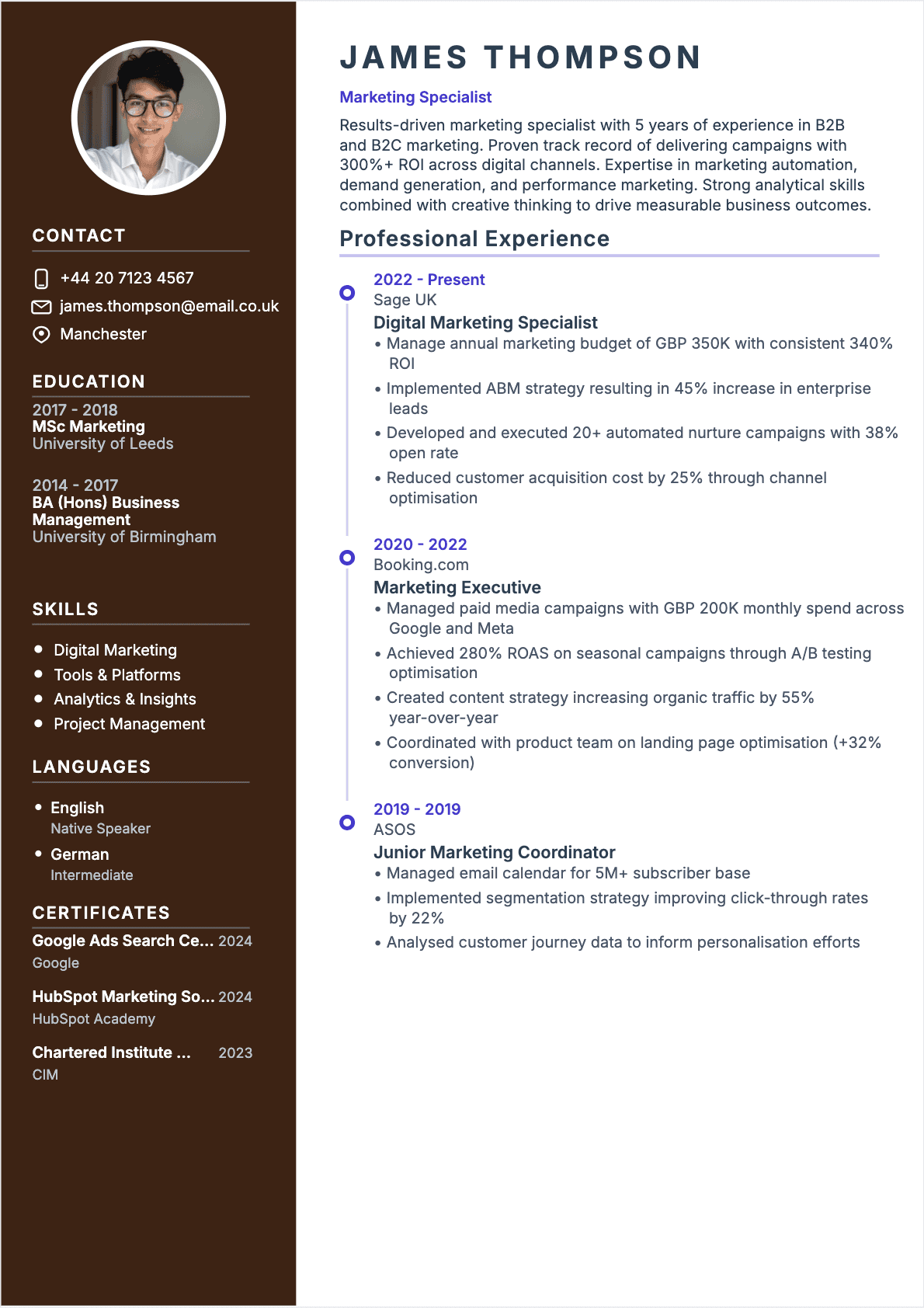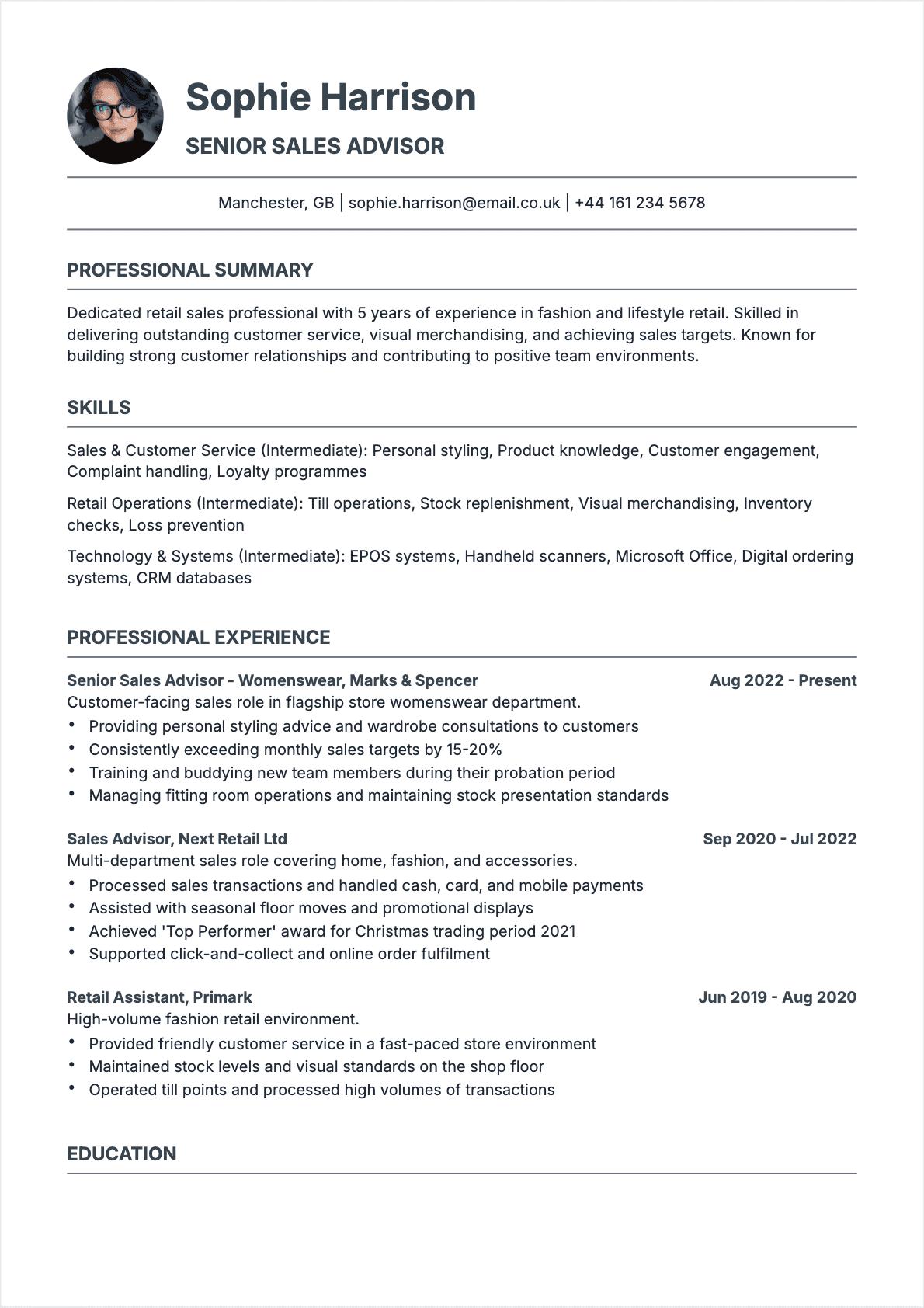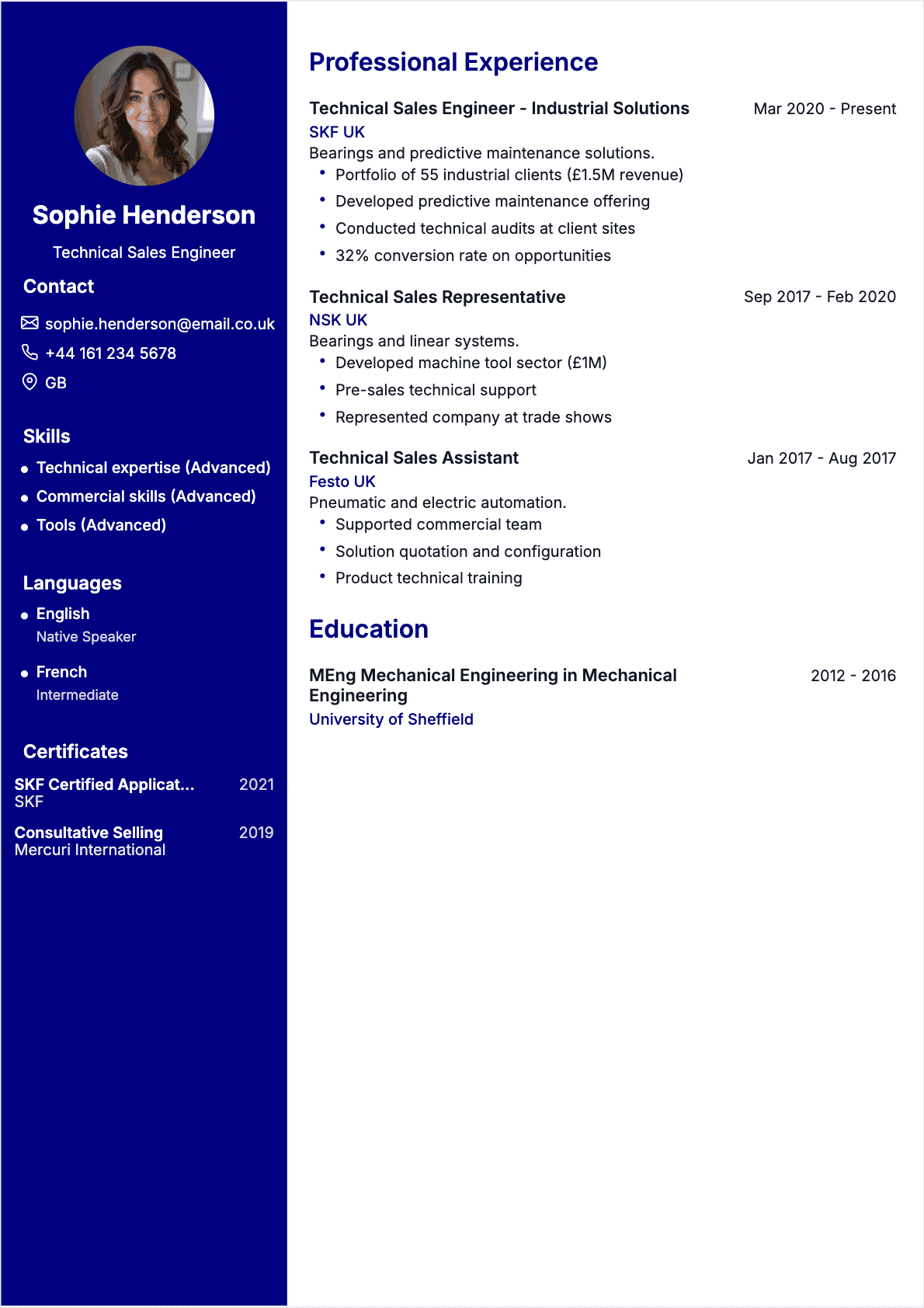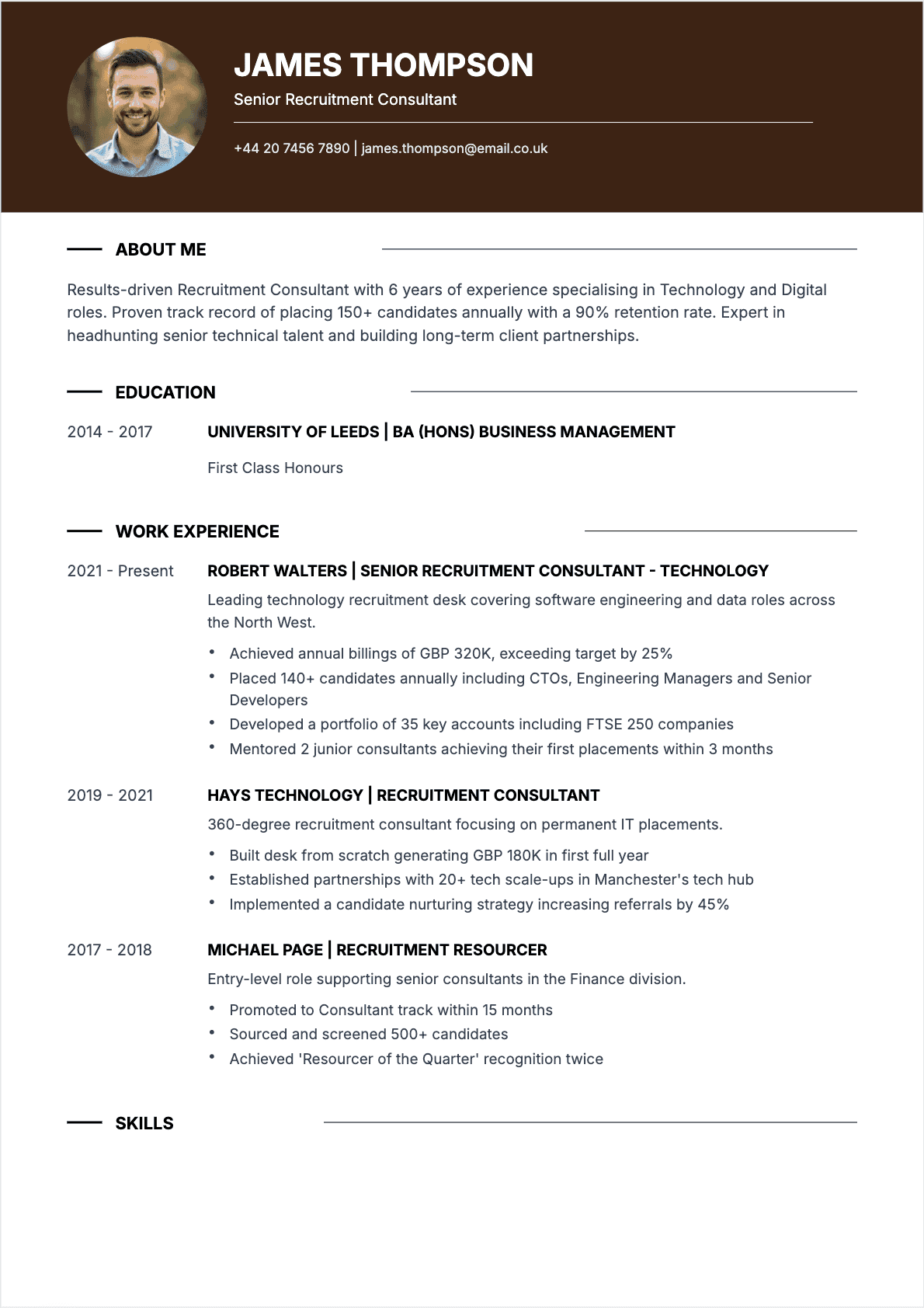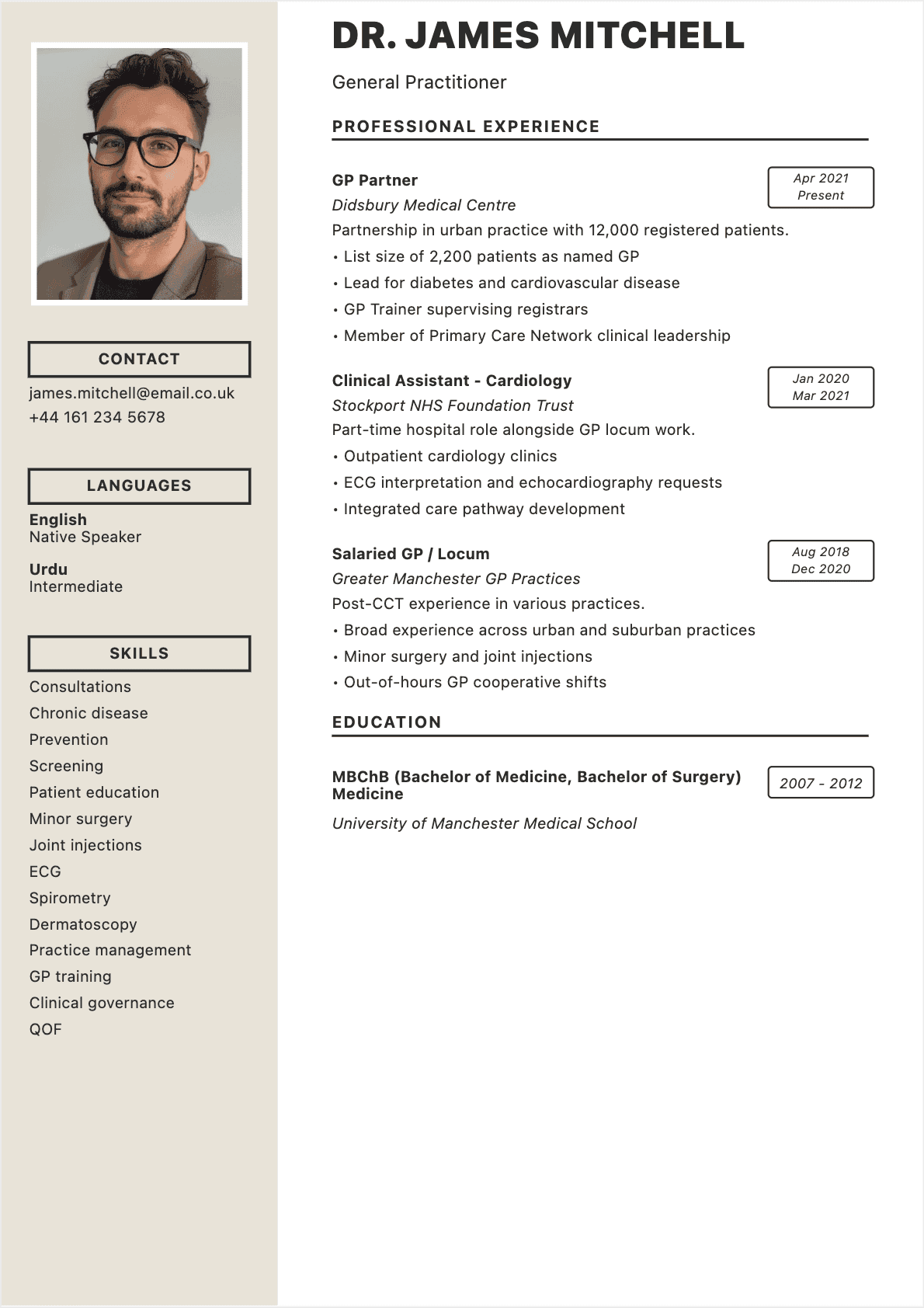

"Keep your resume to one page." It’s the single most repeated piece of career advice on the planet. Your college career center said it. That LinkedIn influencer with 300K followers said it. Even your well-meaning uncle at Thanksgiving said it. But here’s the uncomfortable truth that most advice-givers skip over: the one-page resume rule is not actually a rule. It’s a guideline — and like all guidelines, it works brilliantly in some situations and fails spectacularly in others. 🤔
After years of reviewing resumes across industries from tech startups to Fortune 500 companies, I’ve watched stellar candidates sabotage themselves by cramming fifteen years of experience into a single page — shrinking fonts, slashing margins, gutting accomplishments that could have landed interviews. I’ve also seen entry-level applicants pad a half-page of real content with fluff to fill two pages, achieving nothing but a recruiter’s eye-roll.
The real question isn’t "should my resume be one page?" It’s "what length tells my story most effectively?" In this guide, I’ll walk you through exactly when a one-page resume gives you a competitive edge, when two pages is the smarter move, and how to make either format work flawlessly. If you’re also building your resume from scratch, pair this with our comprehensive guide to writing a resume for a complete roadmap.
Why the One-Page Resume Debate Won’t Die
The one-page resume convention traces back to a time when resumes were literally mailed on paper. Recruiters received stacks of physical documents, and a single sheet was easier to scan, file, and pass around a hiring committee. The constraint was partly logistical: who wants to staple, photocopy, and redistribute multi-page documents for dozens of candidates?
Fast-forward to 2026, and the landscape has changed dramatically. Resumes are digital. They’re parsed by Applicant Tracking Systems before a human ever sees them. They’re viewed on screens where scrolling is effortless. Yet the one-page dogma persists — partly because it’s easy advice to give, and partly because, for certain candidates, it genuinely is the best approach.
Here’s what fuels the debate: both sides have legitimate points. Brevity signals that you can prioritize and communicate efficiently. But artificial brevity — cutting meaningful content just to hit an arbitrary page count — signals something else entirely: that you’re following a template instead of thinking strategically. The companies topping the Fortune 500 don’t want cookie-cutter applicants; they want people who can make smart decisions, including about how they present themselves.
LinkedIn’s 2025 workforce report found that hiring managers across the U.S. and UK care far more about relevance and clarity than page count. A crisp one-page resume and a well-organized two-page resume both perform well. What fails is a bloated, unfocused document at any length. So let’s move past the dogma and look at what the data actually shows. 📊
What Recruiters Actually Think About Resume Length
I’ve had candid conversations with hundreds of recruiters at companies ranging from Google to mid-size consulting firms. Their consensus might surprise you: most don’t count pages. What they do is spend an average of 6–7 seconds on an initial scan. In those seconds, they’re looking for job titles, company names, keywords, and quantified achievements. If those elements jump off the page, you’re in the "yes" pile regardless of whether your resume is one page or two.
That said, recruiter preferences vary by context:
- Entry-level and internship roles: recruiters overwhelmingly expect one page. A two-page resume for a candidate with less than three years of experience raises red flags about self-awareness.
- Mid-career professionals (5–12 years): this is the gray zone. One strong page often beats two mediocre pages, but if you have substantial, relevant accomplishments, a tight two-page resume is perfectly acceptable.
- Senior executives and specialists (12+ years): two pages is the standard. In fact, a one-page resume at this level can look suspiciously thin, as if you’re hiding a lack of progression.
- Academic and research roles: CVs (not resumes) can run three, five, even ten pages, because publications, grants, and conference presentations matter. This is an entirely different document.
- Federal and government positions: U.S. federal resumes typically run 4–6 pages with very specific formatting requirements. Standard resume rules don’t apply here.
A 2024 survey by ResumeGo found that two-page resumes had a 2.9% higher callback rate than one-page resumes for mid-to-senior candidates. The difference wasn’t huge, but it was statistically significant — and it shatters the myth that longer automatically means worse. The takeaway? Match your length to your level. For a deep dive into how structure affects readability, explore our guide on the best resume formats for 2026.
When a One-Page Resume Is Your Best Bet
Despite the nuance I’ve just laid out, there are scenarios where a one-page resume isn’t just fine — it’s clearly the superior choice. Here’s when you should absolutely keep it to one page:
You have fewer than five years of experience
If you graduated recently or have held one to three positions, you simply don’t have enough material to justify two pages. Padding with coursework, every single volunteer gig, or verbose job descriptions will dilute your strongest selling points. A focused single page that highlights your top achievements tells a recruiter exactly what they need to know. ✨
You’re applying for a highly competitive role with a strict screening process
Investment banking, management consulting, and certain tech roles at companies like McKinsey, Goldman Sachs, or FAANG firms have standardized resume expectations. For these, one page is the unwritten requirement. Hiring committees review hundreds of resumes in batch sessions, and anything longer disrupts the cadence. If the industry norm is one page, respect it.
You’re making a career pivot and most of your experience is in a different field
When you’re changing industries, the majority of your past roles may not be directly relevant. A one-page resume lets you lead with transferable skills and a compelling summary rather than a long list of positions that don’t align with the target role. Less is more when you’re rebranding. Our article on the best skills to put on a resume in 2026 can help you identify which transferable skills to highlight.
You’re attending a career fair or networking event
In-person events demand quick exchanges. Handing someone a two-page resume at a career fair is awkward and likely to get set aside. A single, crisp page is easy to scan, pass along, and remember. Think of it as your professional business card in document form. 📤
You’re submitting through a portal that truncates or limits uploads
Some older ATS platforms and job boards display only the first page or truncate content. If you’re unsure how the system handles multi-page documents, a one-page resume guarantees your key information is visible.

Decision tree: one-page or two-page resume
When You Need Two Pages (and That’s Perfectly Fine)
On the flip side, forcing a lengthy career onto one page can do more harm than good. Here’s when two pages isn’t just acceptable — it’s the right call:
You have 10+ years of progressive experience
If you’ve climbed from individual contributor to director, from associate to VP, that trajectory is one of your biggest assets. Compressing it into one page means cutting the very accomplishments and metrics that demonstrate your growth. A recruiter reviewing your application for a senior role expects to see substance. Two well-organized pages show that you bring depth, not just breadth. 💼
Your field requires detailed technical qualifications
Engineers, data scientists, healthcare professionals, and IT specialists often need space for certifications, tools, platforms, publications, or patents. Trying to list "AWS Solutions Architect, Kubernetes, Terraform, CI/CD pipelines, Python, Go, Rust, PostgreSQL, Kafka, Spark" alongside job descriptions on one page is a recipe for visual chaos. Give your technical profile the room it deserves.
You have significant accomplishments worth quantifying
If you can say "grew revenue by $4.2M," "managed a $12M annual budget," or "led a cross-functional team of 35 across three continents," those numbers belong on your resume. Cutting them to save space is like leaving money on the table. Quantified achievements are the single most persuasive element on any resume.
You hold multiple relevant certifications or licenses
PMP, CPA, CFA, Six Sigma Black Belt, board certifications — these carry real weight. If you have four or more that are directly relevant to the role, they deserve dedicated space rather than being crammed into a footnote. For more on structuring experience-heavy resumes, see our guide on the reverse-chronological resume format.
The bottom line: if cutting content to one page means removing accomplishments that would make a recruiter say "we need to interview this person," then the extra page is justified. Never sacrifice substance for an arbitrary constraint.
How to Fit Your Career on a Single Page
If you’ve determined that a one-page resume is your best strategy, the challenge becomes fitting meaningful content into a tight space without making it look cramped or desperate. Here’s a methodical approach:
Step 1: Start with a master list
Open a blank document and dump everything: every role, every accomplishment, every skill, every certification. Don’t edit yet. This master document is your raw material, and you’ll carve the final resume from it.
Step 2: Ruthlessly prioritize by relevance
For each item on your master list, ask: "Does this directly support my candidacy for the target role?" If the answer is no or maybe, it goes. That summer job from 2014? Gone. The Microsoft Office "proficiency" that everyone lists? Gone. Focus on the top 5–8 experiences and achievements that make the strongest case. 🎯
Step 3: Use bullet points, not paragraphs
Dense paragraphs eat space and make eyes glaze over. Convert job descriptions into 3–5 tight bullet points per role. Each bullet should follow this formula: Action verb + specific task + quantified result. For example: "Redesigned onboarding workflow, reducing time-to-productivity from 6 weeks to 3 weeks and saving $180K annually in training costs."
Step 4: Merge or drop old positions
If you held three similar roles early in your career, consider consolidating them into a single entry: "Various Marketing Roles | Company A, Company B | 2015–2018." This preserves the timeline without wasting space on overlapping descriptions.
Step 5: Optimize your layout
Adjust margins to 0.5–0.7 inches (never less than 0.5—it looks desperate). Use a font like Calibri or Lato at 10–11pt. Reduce section spacing slightly. Remove the "References available upon request" line — it’s assumed and wastes a valuable line. For typography guidance, our article on choosing the right font for your resume has detailed recommendations.
Step 6: Use a professional summary instead of an objective
Objective statements ("Seeking a challenging role in…") are outdated and waste 2–3 lines. Replace with a 2–3 line professional summary that packs your years of experience, core specialty, and a headline achievement into a punchy opener. This immediately tells the recruiter who you are and what you bring.
When done right, a one-page resume feels focused, not squeezed. Every line earns its place, and the white space that remains signals confidence and clarity. 💪
Mistakes That Ruin a One-Page Resume
Even with the right strategy, certain mistakes can turn a promising one-page resume into a missed opportunity. I see these errors constantly in my reviews — avoid them and you’re already ahead of most applicants:
Mistake 1: Shrinking the font below 10pt
When candidates run out of space, their first instinct is to reduce the font size. Anything below 10pt becomes a strain to read, especially for hiring managers reviewing dozens of resumes in a sitting. If a recruiter needs to squint, you’ve lost them. If your content doesn’t fit at 10pt, you have a content problem, not a formatting problem.
Mistake 2: Removing all white space
White space is not wasted space — it’s breathing room. A resume with zero margins and no spacing between sections feels claustrophobic and signals that you couldn’t make tough editing decisions. Recruiters value the ability to prioritize, and your resume should demonstrate that skill. ⚠️
Mistake 3: Listing duties instead of accomplishments
Space is precious on a one-page resume, so every bullet point must earn its place. "Responsible for managing team meetings" is a duty — it tells the recruiter what you were supposed to do. "Restructured weekly team syncs, cutting meeting time by 40% while improving sprint velocity by 15%" is an accomplishment — it tells the recruiter what you actually delivered. The difference is enormous.
Mistake 4: Including irrelevant information
Your resume is not your autobiography. Hobbies like "enjoys hiking and cooking" don’t belong unless they’re directly relevant to the role (e.g., applying to a food company or outdoor brand). Same goes for high school education when you have a college degree, or skills that are universally assumed like "proficient in email." Every line that doesn’t strengthen your candidacy actively weakens it by displacing something that could.
Mistake 5: Using a generic template without customization
Downloaded a template, filled in the blanks, and sent the same resume to 50 companies? That’s the resume equivalent of a form letter, and recruiters can spot it instantly. Your one-page resume should be tailored to each application, with keywords from the job description woven naturally into your experience and skills sections. Check our list of the 10 most common resume mistakes to make sure you’re not undermining your own application.
Mistake 6: Burying your strongest achievements at the bottom
Recruiters read top-to-bottom and often don’t reach the bottom of even a single page. Front-load your resume: the most impressive numbers, the most relevant role, the most compelling skill set should all appear in the top third. If your best content is hiding below the fold, it may as well not exist.

The 6 most common one-page resume mistakes and their fixes
Optimal Layout for a Compact Resume
The layout of your one-page resume is just as important as the content. A well-structured layout guides the recruiter’s eye, creates a visual hierarchy, and ensures ATS compatibility. Here’s the optimal structure I recommend:
Header (2–3 lines)
Your name in a slightly larger font (14–16pt), followed by your target job title, city/state, phone number, email, and LinkedIn URL. Skip the full mailing address — city and state are sufficient. Skip the photo unless you’re applying in a market where it’s customary (e.g., parts of Europe or Asia).
Professional Summary (2–3 lines)
A tightly written paragraph that captures your experience level, core expertise, and a standout achievement. For example: "Operations manager with 7 years driving process improvements across logistics and supply chain. Reduced fulfillment costs by 22% ($1.8M annually) at a Fortune 500 retailer while maintaining 99.4% on-time delivery." That’s two sentences, and it tells a complete story.
Core Skills (2–3 lines)
A horizontal row or two-column list of 8–12 hard skills and keywords matched to the job description. This section serves double duty: it catches ATS keyword scans and gives recruiters an instant snapshot of your toolkit. Avoid soft skills here — "leadership" and "communication" are better demonstrated through your experience bullets. 🛠️
Professional Experience (largest section)
Your most recent 2–3 roles with 3–5 bullet points each. For each role, include the company name, your title, location, and dates. Lead every bullet with a strong action verb: "Spearheaded," "Negotiated," "Implemented," "Optimized." Quantify whenever possible. This section should occupy roughly 50–60% of the page.
Education (2–3 lines)
Degree, institution, and graduation year. Add GPA only if you’re a recent grad and it’s above 3.5. Include relevant honors or distinctions if space allows. If you have an advanced degree, list only your highest degree plus your bachelor’s.
Additional sections (optional, 1–3 lines)
Certifications, languages, or notable projects — but only if directly relevant. These go at the bottom and should never push the resume onto a second page. Think of them as bonus points, not requirements.
This layout keeps the information hierarchy clear: who you are, what you can do, what you’ve done, and what credentials you hold. It scans well both for human eyes and for ATS algorithms.

Anatomy of the perfect one-page resume with section breakdown
One-Page Resumes and ATS Compatibility
Let’s talk about the elephant in the room: Applicant Tracking Systems. In 2026, over 98% of Fortune 500 companies use an ATS to filter resumes before a human reviewer ever sees them. Understanding how these systems interact with your one-page resume is non-negotiable.
ATS don’t care about page count
This is the most important point: ATS software parses text, not pages. It doesn’t penalize you for having one page or two. What it does care about is whether your resume contains the right keywords, is formatted in a parseable way, and uses standard section headings. A beautifully designed one-page resume that uses text boxes, columns, or fancy graphics might look great to a human but come through as garbled nonsense to an ATS. 💻
Formatting rules for ATS-friendly one-page resumes
- Use standard section headings: "Experience," "Education," "Skills" — not creative alternatives like "Where I’ve Made an Impact" or "My Journey." ATS systems look for conventional labels.
- Avoid tables and text boxes: these can scramble your content when parsed. Use simple left-aligned text with clear line breaks between sections.
- Save as PDF (unless told otherwise): modern ATS systems handle PDFs well. Avoid .jpg, .png, or .pages formats. If a job posting specifically requests .docx, comply.
- Don’t embed critical information in headers or footers: many ATS systems skip header/footer areas entirely. Your name, contact info, and links should be in the main body of the document.
- Use standard fonts: Calibri, Arial, Garamond, Lato, and similar widely available fonts render correctly across systems. Custom or decorative fonts may not.
- Include keywords naturally: mirror the exact phrases from the job description. If the listing says "project management," don’t substitute "PM" or "managing projects" exclusively — use the exact term at least once.
Here’s a quick test: copy and paste your PDF resume into a plain text editor (Notepad, TextEdit). If the text appears in the correct order and is fully readable, your resume is likely ATS-compatible. If sections are jumbled or text is missing, revisit your formatting.
For candidates who want to streamline the entire process, our AI-powered resume builder generates ATS-optimized documents that balance design with parseability automatically. 🚀
One-Page Resume Templates That Actually Work
Not all templates are created equal. The internet is littered with flashy, graphics-heavy resume templates that look stunning on Dribbble but crash and burn when they hit an ATS. Here’s what to look for in a one-page resume template that actually performs in the real world:
Clean single-column layout
The safest, most universally compatible structure is a single-column design. Content flows from top to bottom in a logical order that both humans and machines can follow. If the template uses a sidebar for contact info or skills, ensure it’s implemented as simple text, not as a text box or separate column element.
Clear section dividers
Horizontal lines, bold headings, or subtle spacing changes between sections help recruiters navigate quickly. Templates that rely solely on font changes to separate sections often look cluttered on screen. A thin horizontal rule between "Experience" and "Education" costs almost zero vertical space but dramatically improves scanability.
Adequate white space
A good template respects margins of at least 0.5 inches on all sides and provides clear spacing between job entries. If a template packs everything edge-to-edge, it’s optimizing for word count, not readability.
Professional, neutral typography
The best templates use one professional font (or at most two: one for headings, one for body text). They avoid all-caps headings longer than two words, decorative scripts, and font sizes below 10pt. Simplicity reads as confidence.
Minimal or no color
A single accent color for headings or section lines is fine. Templates with colorful backgrounds, multi-colored sections, or rainbow skill bars are red flags. They distract from content and often fail ATS parsing. Stick with black text on a white background, plus one subtle accent if desired.
Customizable sections
The best templates let you add, remove, and reorder sections easily. A rigid template that forces you into a fixed structure defeats the purpose of tailoring your resume to each job. Look for flexibility. If you’re exploring formats, see our comparison of the top resume formats to find the structure that fits your profile best.
Quick Decision Guide: One Page or Two?
Still unsure which way to go? Use this quick decision framework. Be honest with yourself as you answer each question:
Choose one page if:
- You have fewer than 7–8 years of professional experience
- You’re targeting an entry-level or early-career role
- Most of your past experience is in a different field from your target role
- The industry or company has an explicit or well-known one-page expectation (finance, consulting)
- You’re attending a career fair, networking event, or submitting a cold application
- You can fit your strongest 3–4 experiences with quantified achievements on one page without shrinking below 10pt font
Choose two pages if:
- You have 10+ years of relevant, progressive experience
- You hold multiple certifications, licenses, or technical qualifications that the role requires
- You’re applying for a senior, director, VP, or C-suite position
- Your field values depth (engineering, healthcare, research, IT infrastructure)
- Cutting to one page means removing accomplishments with quantified impact that directly match the job description
- You have publications, patents, or significant speaking engagements relevant to the role
The golden rule: if page two contains only 3–4 lines of content, you don’t need page two. Consolidate. But if page two is a full, substantive continuation of your qualifications, keep it. Quality per square inch is the metric that matters, not total page count. 📊
For more guidance on structuring either format, see our breakdown of the reverse-chronological resume — the most popular format for both one-page and two-page resumes.
FAQ: Resume Length Questions Answered
Here are the questions I hear most often from clients wrestling with the one-page resume decision:
Is a one-page resume always better?
No. A one-page resume is better when you have limited experience or when the industry expects it (finance, consulting, entry-level roles). For senior professionals with 10+ years of relevant experience, a two-page resume is often more effective because it allows you to showcase the depth and impact of your career. The best resume is the one that presents your strongest qualifications clearly, regardless of page count.
Will a two-page resume hurt my chances?
Not if the content justifies the length. Recruiters don’t reject resumes for being two pages — they reject resumes for being unfocused, poorly organized, or filled with irrelevant information. If every line on your two-page resume is relevant and adds value, you’re fine. If half the content is filler, you’d be better off cutting to one page.
How do I decide what to cut from my resume?
Apply the "so what?" test to every bullet point. If a recruiter reading it would think "so what?" rather than "tell me more," cut it. Prioritize accomplishments with measurable results over generic duties. Remove positions older than 15 years unless they’re directly relevant. Eliminate skills that are assumed (Microsoft Office, email) and hobbies that don’t relate to the job.
Should I use a smaller font to fit everything on one page?
Never go below 10pt for body text. If you’re shrinking your font to fit, it’s a sign that you need to edit your content, not your formatting. A resume at 9pt font strains the reader’s eyes and signals that you couldn’t prioritize effectively. Cut content instead — it’s a better outcome than an unreadable document.
Do ATS systems prefer one-page resumes?
ATS systems do not factor page count into their ranking algorithms. They parse text content and match it against job description keywords. What matters to an ATS is that your resume uses standard section headings, avoids complex formatting (tables, text boxes, columns), and contains relevant keywords. A well-formatted two-page resume performs identically to a well-formatted one-page resume in ATS screening.
Can I go to one and a half pages?
Technically yes, but aesthetically it looks unfinished. If you’re at one and a half pages, you have two choices: tighten the content to fit on one page, or expand with additional relevant detail to make a full two pages. A resume that stops halfway down page two gives the impression that you ran out of things to say. Commit to one or two pages, not something in between.
What about resume length for international job applications?
Standards vary by country. In the U.S. and Canada, one to two pages is standard. In the UK, two pages is the norm for most professionals. In Germany and many European countries, CVs often include photos, personal details, and run two or more pages. In Australia, two to three pages is common for experienced candidates. Always research the norms for your target market before finalizing length.
Should my cover letter compensate if my resume is only one page?
Your cover letter and resume serve different purposes. The resume lists your qualifications; the cover letter explains why you’re interested and how your background fits the specific role. A one-page resume doesn’t need a longer cover letter to "make up for it." Keep your cover letter to half a page to one page regardless of your resume length. If anything, a concise resume paired with a focused cover letter shows that you respect the reader’s time.
— Eleanor Ashford, career strategist and former tech recruiter