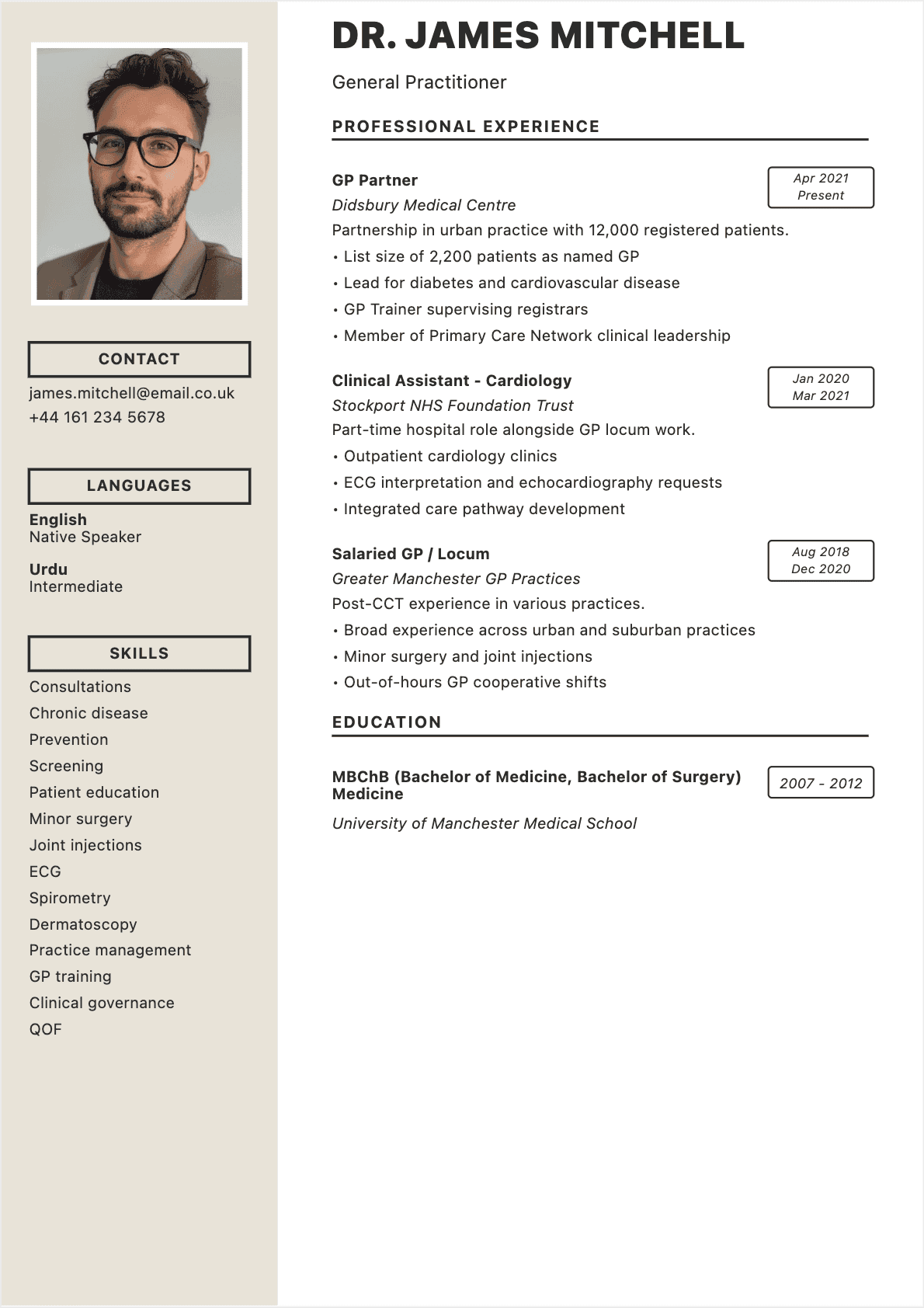

Here is a number that should change the way you think about your resume: recruiters spend an average of 7.4 seconds scanning a resume before deciding whether to read further. Not seven minutes. Not seventy seconds. Seven-point-four seconds. In that sliver of time, your entire professional story needs to land.
I spent over a decade in talent acquisition, first at a Series B tech startup in Austin where I screened 300+ resumes a week, then as a recruiting lead at a Fortune 500 consulting firm. I have sat on both sides of the hiring table, and I can tell you with absolute certainty: the difference between resumes that get interviews and resumes that get ignored is rarely about qualifications. It is about presentation, structure, and strategy.
In 2026, writing a resume is no longer about listing your job history in a Word document and hoping for the best. Between applicant tracking systems (ATS) that filter out 75% of applications before a human sees them, AI-powered screening tools, and a job market where the average corporate posting receives 250+ applications, the stakes have never been higher. But here is the good news: with the right approach, creating a resume that consistently lands interviews is entirely within your reach.
This is the most comprehensive resume writing guide you will find anywhere. We are going to cover every element: the ideal structure, how to write each section, ATS optimization, design principles, customization strategies, and the most common mistakes that cost candidates interviews. Whether you are a recent graduate, a career changer, or a senior professional, you will walk away with a concrete system for building a professional resume that works.
Why Your Resume Isn't Working (and How to Fix It)
Before we build the perfect resume, let us diagnose what is going wrong with most resumes out there right now.
The one-size-fits-all problem
The single biggest resume mistake I encountered during my recruiting years was the generic resume. You know the one: identical copies sent to fifty different companies without changing a single line. When I was hiring software engineers at a 400-person SaaS company, I could spot a generic resume in under three seconds. It broadcast a clear message: "I did not care enough about this role to spend ten minutes customizing my application."
According to a 2025 Jobvite Recruiter Nation survey, 54% of recruiters will reject a resume that is clearly not tailored to the role, regardless of the candidate's qualifications. That is more than half your chances gone before anyone even reads your experience section.
The 7.4-second rule
Eye-tracking studies from Ladders Inc. confirmed that recruiters spend an average of 7.4 seconds on an initial resume scan. During those seconds, their eyes follow a consistent pattern:
- Your name and current job title
- Your current and previous employers
- Start and end dates for each position
- Education and certifications
If these elements are not immediately visible and compelling, your resume goes into the rejection pile. This is not cruelty; it is math. When a product manager role at a mid-size tech company pulls in 400 applications, recruiters simply cannot afford to read every resume cover to cover. Your job is to make those 7.4 seconds count.
The ATS gatekeeper
Here is the statistic that changes everything: over 98% of Fortune 500 companies and an estimated 75% of all mid-to-large employers use an Applicant Tracking System (ATS) to filter resumes. Before any human being lays eyes on your application, software is parsing your document, extracting keywords, and assigning it a relevance score.
A resume with poor formatting, missing keywords, or an unreadable file structure can be automatically eliminated, even if you are the most qualified candidate in the applicant pool. In 2026, writing a resume without considering ATS compatibility is like mailing a letter without an address: it will never reach its destination.
The 7 Essential Resume Sections in 2026
A well-structured resume follows a logical order that recruiters expect and recognize. Here are the seven sections that belong on every resume, in the order I recommend.

Infographic of the 7 essential resume sections in 2026
1. Header: contact information and professional title
Your header is prime real estate. It should include:
- Your full name (prominent, easy to read)
- A professional title that mirrors the job you are applying for (e.g., "Senior Data Analyst" not "Seeking New Opportunities")
- Phone number and email (use a professional email, not gamerguy99@yahoo.com)
- City and state (full street address is unnecessary and a privacy risk)
- LinkedIn profile URL (customized, not the default string of numbers)
- Portfolio or GitHub link (if relevant to your field)
**Common mistake: **Titling the document "Resume" or "Curriculum Vitae." The recruiter already knows what it is. Use that space for your professional title instead.
2. Professional summary (your 30-second pitch)
This 3-to-5-line section immediately below your header is your elevator pitch. It is where most of those 7.4 seconds are spent, and it is the section that separates resumes that get read from resumes that get skimmed.
An effective professional summary answers three questions:
- Who are you? (your role, your level of experience)
- What have you accomplished? (a signature achievement, a core expertise)
- What are you looking for? (the type of role or impact you want to make)
We will cover how to write a compelling summary with before-and-after examples in the next section.
3. Work experience (the STAR method)
This is the engine of your resume. For each role, include:
- Job title
- Company name (add a brief descriptor if the company is not well-known)
- Dates (month/year format)
- 3 to 5 accomplishments described with action verbs and quantified results
The STAR method (Situation, Task, Action, Result) is your best friend here. Instead of writing "Managed social media accounts," write "Led social media strategy across Instagram and LinkedIn, growing follower base by 47% and driving 12K monthly website visits within 6 months."
I once worked with a product marketing candidate whose original resume read like a job description, bullet after bullet of responsibilities. After we rewrote her experience using the STAR framework, she received interview requests from three Fortune 500 companies within ten days. The difference was not her qualifications; it was how she presented them.
4. Education and certifications
List your degrees from most recent to oldest:
- Degree name and major
- Institution
- Graduation year
- Relevant honors, coursework, or thesis
If you have more than five years of work experience, keep this section brief. However, recent certifications like Google Analytics, PMP, AWS Solutions Architect, or Certified Scrum Master deserve prominent placement. They signal continuous learning and often serve as ATS keyword matches.
5. Skills: technical and interpersonal
In 2026, employers are looking for a deliberate balance between hard skills (technical abilities) and soft skills (interpersonal strengths).
**For hard skills: **Be specific. "Proficient in Python, SQL, Tableau, and Looker" is infinitely more useful than "Strong technical skills." Name the tools, languages, platforms, and methodologies you actually use.
**For soft skills: **Choose 3 to 5 that are directly relevant to the target role, and make sure they are backed up by evidence in your experience section. Writing "Leadership" without any context of leading anything is an empty claim.
For a deeper dive into skill selection, read our complete guide on the best skills to put on a resume.
6. Languages
In an increasingly global workforce, language skills can set you apart. For each language, specify:
- Proficiency level using a recognized framework (Native, Fluent, Professional Working Proficiency, Conversational)
- Test scores if available (TOEFL, IELTS, DELE, DELF)
Avoid vague descriptors like "Basic Spanish" if you cannot hold a professional conversation. Recruiters will test language skills in interviews, and a gap between your resume claim and your real ability is an instant red flag.
7. Interests and volunteer work (when to include them)
This section is optional, but it can be a powerful differentiator when used well. Include interests when:
- They demonstrate qualities relevant to the role (e.g., "Captain of a recreational soccer league" shows leadership and teamwork)
- They create a memorable talking point for interviews
- They show community engagement (volunteer work, nonprofit board membership)
However, "Netflix, travel, cooking" adds nothing. Be specific: "Completed the 2025 Chicago Marathon in 3:28" tells the recruiter more about your discipline and goal-setting than any soft skills list ever could.
Learn more about what to include in our guide on interests and hobbies on your resume.
How to Write Each Section Like a Pro
Now that you know which sections to include, let us focus on the writing itself. This is where most candidates struggle, and understandably so. Condensing years of work into a few punchy lines is one of the hardest writing exercises there is.
Crafting a professional summary that hooks the reader
Your professional summary is arguably the most important paragraph on the entire resume. Here is how to write one, with concrete before-and-after examples.
Before (generic, forgettable):
"Motivated and detail-oriented professional seeking a challenging position where I can leverage my skills and grow within a dynamic organization."
After (specific, compelling):
"Senior Product Manager with 8 years of experience in B2B SaaS, most recently at Salesforce. Led the launch of three enterprise features that generated $14M in annual recurring revenue. Seeking a VP of Product role at a growth-stage company where I can scale product strategy from Series B to IPO."
The difference is night and day. The second version is specific, quantified, and tells the recruiter exactly what value this candidate brings.
**The formula: **[Job Title] + [Years of Experience] + [Industry/Domain] + [Signature Achievement] + [Career Goal]
Here is another example for an early-career candidate:
Before:
"Recent graduate looking for an entry-level marketing position. Hard worker and fast learner."
After:
"Marketing graduate from NYU (2025) with a specialization in digital strategy. During a 6-month internship at a DTC e-commerce startup, I built and managed paid social campaigns that drove a 3.2x return on ad spend and 18K monthly site visits. Looking for an entry-level growth marketing role where I can combine analytical rigor with creative execution."
Describing your experience with measurable results
I cannot stress this enough: numbers transform a resume. During my time running recruiting workshops for career changers, I watched resumes come alive the moment we added real metrics. Vague descriptions signal that you either did not track your impact or do not know how to communicate it. Both are problems.
The three-step method:
- Start with a strong action verb (led, built, launched, optimized, negotiated, scaled...)
- Describe the action with specificity
- Quantify the result with a number, percentage, dollar amount, or timeframe
Examples:
- "Negotiated 12 vendor contracts totaling $3.2M annually, reducing procurement costs by 18%."
- "Built and trained a 15-person customer success team that improved NPS from 32 to 67 in 10 months."
- "Migrated 2,400 users from legacy CRM to Salesforce Lightning, completing the project 3 weeks ahead of schedule with zero data loss."
Power action verbs by category:
| Leadership | Creation | Improvement | Analysis |
|---|---|---|---|
| Led | Built | Optimized | Analyzed |
| Directed | Designed | Streamlined | Evaluated |
| Managed | Launched | Reduced | Assessed |
| Supervised | Developed | Automated | Forecasted |
| Mentored | Implemented | Restructured | Investigated |
Selecting the right skills for each application
Here is a technique that most applicants overlook: before writing your skills section, highlight the keywords in the job posting. Literally. Open the job description side-by-side with your resume and mark every skill, tool, and qualification the employer mentions.
Then categorize your skills into three tiers:
- Must-have skills (listed under "Requirements" or "Qualifications") → place these first
- Nice-to-have skills (listed under "Preferred" or "Bonus") → include if you have them
- Generic soft skills (teamwork, communication) → useful as filler, but never the headliners
For more on which keywords matter most, check out our article on the most impactful resume keywords.

Before/after example of the experience section with quantified results
Resume Formats: Choosing the Right One
The format of your resume, meaning the way you organize and prioritize information, should serve your career narrative. There is no universally superior format, only the one that is right for your situation.

Comparison between an ATS-compatible resume and an ATS-rejected resume
Reverse-chronological (the gold standard)
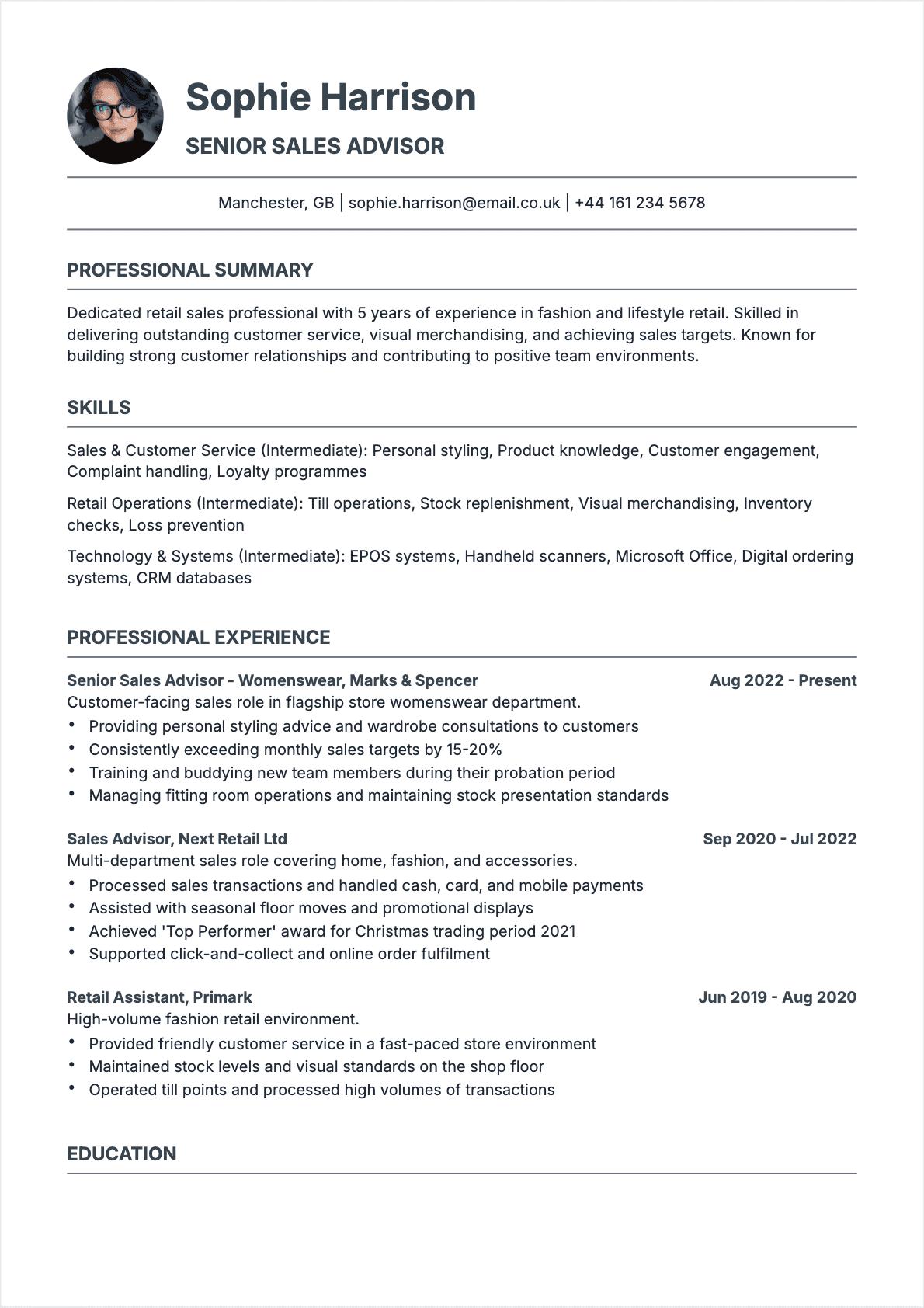
This is the classic format: your work experience is listed from most recent to oldest. It is preferred by over 90% of hiring managers because it shows career progression at a glance. If you have a clear, upward trajectory in one field, this is your format.
Read our detailed breakdown of the reverse-chronological resume format.
Functional (skills-based)
This format leads with skills and accomplishments rather than a chronological job history. Your achievements are grouped by competency area instead of by employer. This is best suited for career changers, freelancers, or candidates with employment gaps they want to contextualize.
Combination (hybrid)
This is the format I recommend most often. It features a prominent skills and qualifications section at the top, followed by a chronological work history below. It gives you the keyword density of a functional resume with the narrative clarity of a chronological one.
Choosing the right format for your situation
| Your Situation | Recommended Format |
|---|---|
| Linear career in one industry | Reverse-chronological |
| Career change or pivot | Functional or combination |
| Employment gaps | Combination |
| Recent graduate | Reverse-chronological (education first) |
| Freelancer or consultant | Functional or combination |
| Senior executive (15+ years) | Reverse-chronological (two pages) |
For a full comparison, see our guide on the best resume formats.
ATS Optimization: Getting Past the Robots
This may be the most critical section in this entire guide. In 2026, a professional resume that is not ATS-optimized is functionally invisible to the majority of employers. When I transitioned from in-house recruiting to career consulting, I got an inside look at how ATS platforms like Greenhouse, Lever, iCIMS, and Workday actually score and rank candidates, and I understood immediately why so many qualified applicants were falling through the cracks.
How an ATS actually works
An Applicant Tracking System is software that:
- Receives your application (resume, cover letter, and form data)
- Parses the text content from your document
- Extracts key data points: job titles, dates, skills, education
- Compares extracted keywords against the job description
- Assigns a relevance or match score
- Ranks all applicants from highest to lowest score
The recruiter typically sees only the top 10-20% of ranked resumes. The rest sit in the database, unseen and unconsidered.
The 5 rules for beating ATS filters
**Rule 1: Mirror the exact keywords from the job posting. **If the listing says "project management," write "project management," not "PM" or "managing projects." ATS systems look for precise keyword matches. Synonyms and abbreviations may not register.
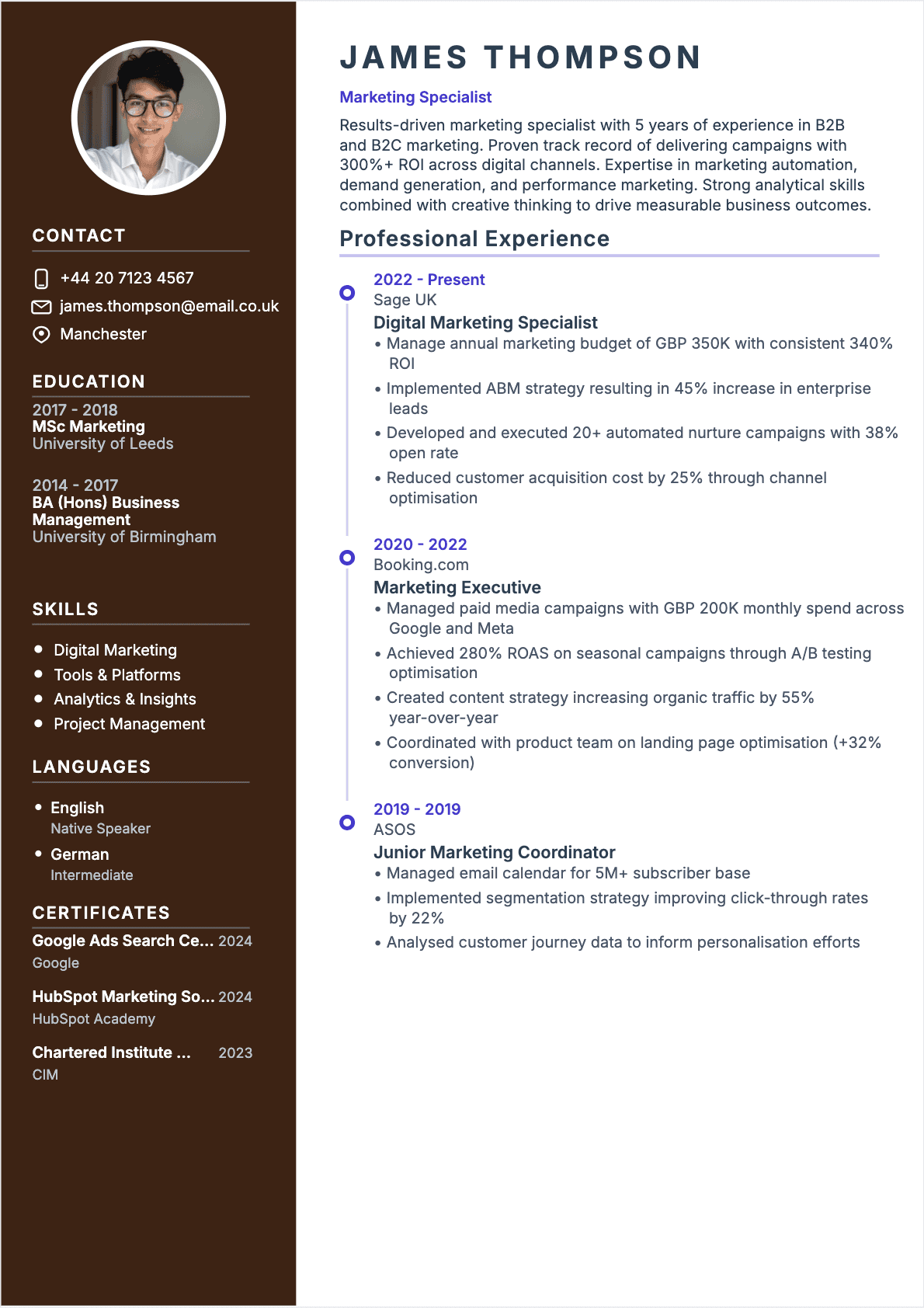
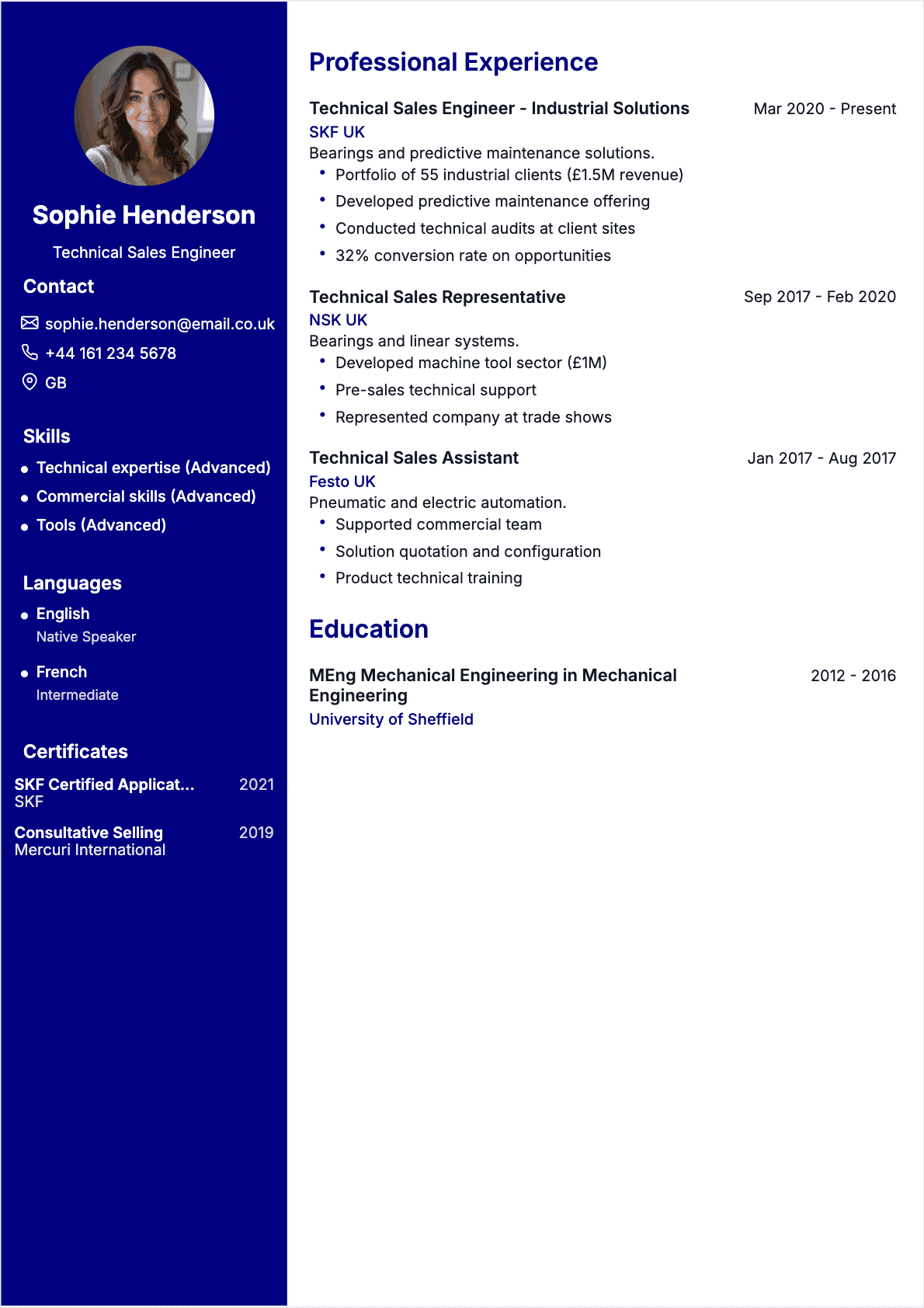
**Rule 2: Use a clean, single-column layout. **Multi-column layouts, tables, text boxes, and graphics are ATS landmines. Many parsing engines cannot read content inside tables or floating text elements, which means entire sections of your resume may be invisible to the system.
**Rule 3: Use standard section headings. **"Work Experience" not "My Professional Journey." "Education" not "Academic Background." ATS platforms are trained to recognize conventional headings and may misclassify or skip creative alternatives.
**Rule 4: Place keywords in both your skills section AND your experience descriptions. **An ATS does not automatically connect a skill listed at the top of your resume with its application in your work history. If "Salesforce" appears in your skills section but nowhere in your experience bullets, the system may score it as lower relevance.
**Rule 5: Submit as a PDF (unless Word is explicitly requested). **Modern ATS platforms parse PDFs without issue. The PDF format preserves your layout and prevents accidental formatting changes. Only use .docx when the application portal specifically asks for it.
Formatting mistakes that block your resume
Eliminate these elements entirely if you want your resume to clear ATS filters:
- **Headers and footers: **Many ATS engines cannot read content placed in document headers or footers. Your contact information should be in the main body.
- **Text boxes and shapes: **Any content inside a text box, shape, or callout may be completely ignored during parsing.
- **Images containing text: **A logo with your name, a skill bar graphic, or an infographic-style section is invisible to an ATS.
- **Uncommon fonts: **Stick with widely supported typefaces: Arial, Calibri, Garamond, Helvetica, or Georgia.
- **Decorative characters: **Fancy bullets, star ratings, and custom symbols may render as garbled text or be stripped entirely.
Design and Layout: Less Is More
A well-written resume with poor visual design is like a great product with terrible packaging. In those critical 7.4 seconds, design determines whether the recruiter's eye finds the information it needs or bounces away in frustration.
Typography, margins, and white space
The golden rules of professional resume design:
- **Font: **Use one font family (two at most). Calibri, Garamond, Lato, or Source Sans Pro are excellent choices. Body text: 10-12pt. Section headings: 13-16pt.
- **Margins: **Between 0.5 and 1 inch on all sides. Too narrow feels cramped; too wide wastes valuable space.
- **Line spacing: **1.0 to 1.15 within sections, with additional spacing between sections for clear visual separation.
- **Color: **One accent color for headings or section dividers is professional. A rainbow of colors is not. Navy, charcoal, or indigo work well.
For a comprehensive breakdown of font selection, read our guide on choosing the best font for your resume.
Should you include a photo?
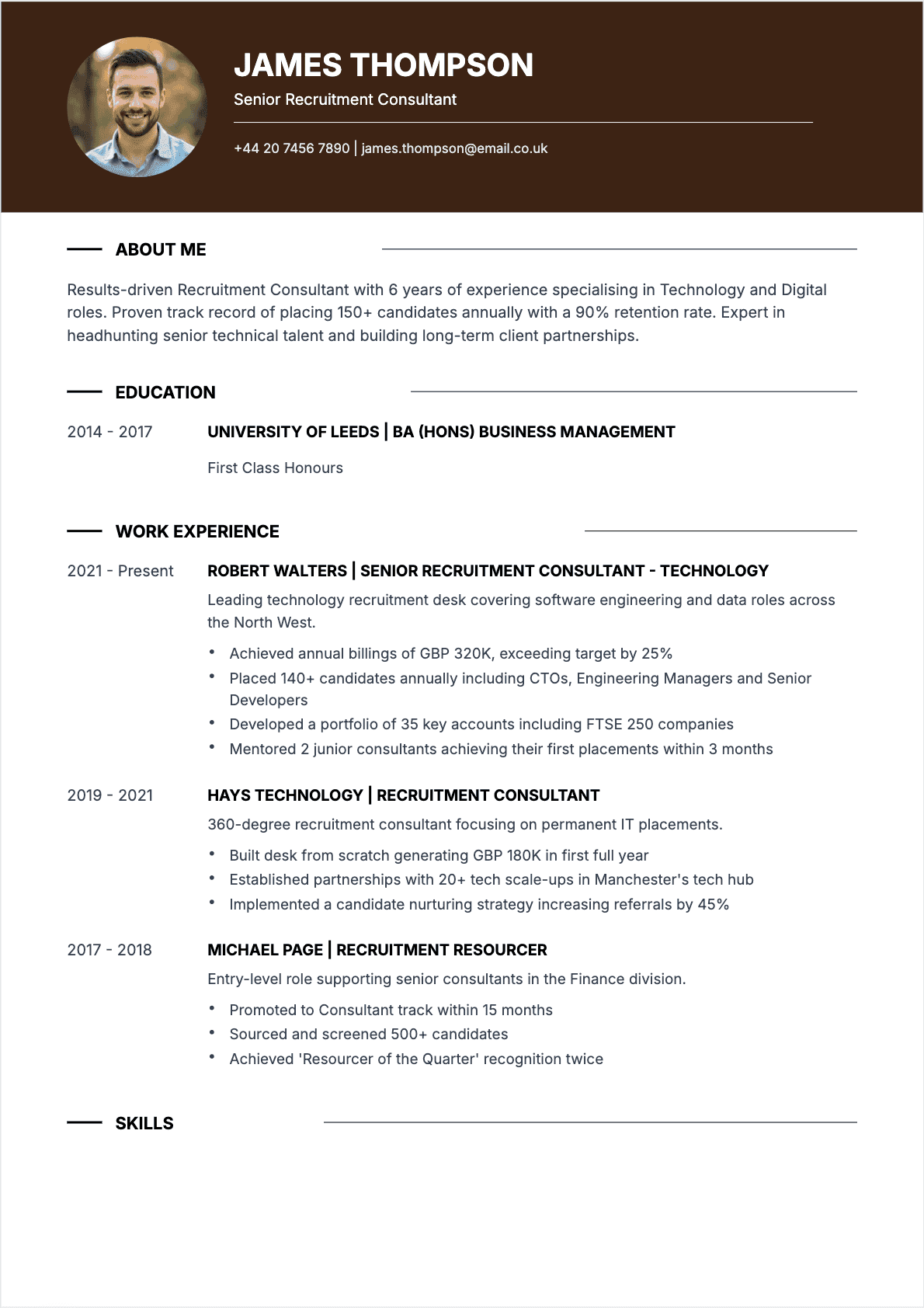
In the United States and United Kingdom, including a photo on your resume is generally discouraged. Most large companies have policies against considering photos to prevent unconscious bias in hiring. Unless you are applying for a role where appearance is directly relevant (acting, modeling), leave the photo off.
If you are applying to companies in continental Europe, parts of Asia, or Latin America, a professional headshot is more common and sometimes expected. Always research the norms for your target market.
One page or two pages?
Here is the straightforward rule I use:
- Less than 10 years of experience → one page. No exceptions.
- 10 to 20 years of experience → one to two pages, depending on role complexity.
- 20+ years or executive level → two pages. Never three.
The "one-page resume" rule is one of the most persistent myths in career advice. A hiring manager will always prefer a clean, well-organized two-page resume over a one-page document crammed with 8pt font and zero white space. Readability beats brevity every time.
Explore our detailed analysis: one-page resume: myth or reality?.
Tailoring Your Resume for Each Application
I am going to share something that many job seekers do not want to hear: sending the same resume to every job posting does not work. Or more precisely, it works about 2% of the time, which in a competitive market is effectively zero.
When I was consulting with mid-career professionals on their job searches, the first question I always asked was: "How many versions of your resume do you have?" The answer was almost always "one." And that was almost always the core problem.
The 20-minute customization method
Tailoring your resume does not mean rewriting it from scratch for every application. Here is a fast, repeatable system:
**Step 1 (5 minutes): Analyze the job description. **Identify the 5 to 8 most critical keywords: required skills, tools, job title phrasing, and industry-specific terms.
**Step 2 (5 minutes): Rewrite your title and summary. **Your professional title should mirror the job listing. Your summary should incorporate at least 2-3 of the posting's key terms.
**Step 3 (5 minutes): Reorder your skills section. **Move the skills that match the "Required" qualifications to the top of your list.
**Step 4 (5 minutes): Adjust your experience bullets. **For each role, surface the achievements most relevant to this specific position. You do not need to rewrite every bullet; just reorder and tweak 2-3 per role.
Twenty minutes. That is all it takes. And this level of customization can move your resume from the 50th percentile to the top 5% of the ATS rankings.
For more on this approach, see our guide to crafting a targeted resume for each application.
Resume Mistakes That Cost You Interviews
After reviewing thousands of resumes across ten years of recruiting and career coaching, I have compiled the errors that are most damaging to your candidacy.
The 5 deal-breakers
**1. Typos and grammatical errors. **This is the number one reason for immediate rejection. A single spelling mistake in your header or summary signals carelessness. A 2024 CareerBuilder survey found that 77% of hiring managers will discard a resume with typos. Have at least two people proofread your resume, and run it through Grammarly or a similar tool.
**2. Dishonesty. **Inflating your title, fabricating a degree, or exaggerating metrics will eventually be discovered. Background checks, reference calls, and even simple LinkedIn cross-referencing can expose inconsistencies. The consequences are immediate termination and permanent reputational damage.
**3. Missing or incorrect contact information. **I have personally seen resumes with no phone number, dead email addresses, and LinkedIn URLs that lead to the wrong person. Triple-check every piece of contact information before you submit.
**4. A resume longer than two pages. **For any role below C-suite or academic positions, three or more pages signals an inability to prioritize and communicate concisely, which are skills employers care about.
**5. Over-designed or unreadable layouts. **Multi-column designs with 8pt text, dark backgrounds with white text, infographic-style resumes, resumes designed in Canva with heavy graphics. Your resume may look "creative," but it will not be read by an ATS, and it will frustrate the human reviewer.
The subtle mistakes that quietly hurt you
- **Listing duties instead of accomplishments. **"Responsible for managing client accounts" tells the recruiter nothing about your impact. "Managed a portfolio of 42 enterprise accounts totaling $8.7M ARR, achieving 96% retention rate" tells a story.
- **Unsubstantiated soft skills. **Listing "Strong leader, excellent communicator, team player" without evidence is the resume equivalent of telling someone you are funny: if you have to say it, it probably is not coming through.
- **Vague dates. **"2019-2022" instead of "March 2019 - October 2022." Imprecision makes recruiters suspicious of gaps you might be hiding.
- **Unprofessional email address. **partyanimal2003@hotmail.com is not acceptable. Create a firstname.lastname@ address if necessary.
For a comprehensive list, read our article on the top 10 most common resume mistakes.
AI-Powered Resume Building: The 2026 Advantage
Artificial intelligence has fundamentally changed how resumes are written. AI tools can help you craft stronger bullet points, identify missing keywords, generate summary variations, and even evaluate your resume against specific job postings. Used correctly, AI is a massive time-saver and quality multiplier.
What AI does well
- Rephrasing weak bullet points into achievement-oriented language
- Suggesting action verbs tailored to your industry
- Identifying keyword gaps between your resume and a target job description
- Generating multiple summary variations so you can pick the strongest version
- Checking consistency across sections (dates, title formatting, tense usage)
The limitations you need to know
**AI does not know your career. **It can fabricate metrics, hallucinate accomplishments, or produce phrasing that sounds impressive but is factually wrong. Every AI-generated line must be verified against your actual experience.
**AI produces generic output at scale. **If everyone uses the same prompts and tools, every resume starts to sound the same. Your personal details, your specific numbers, your unique voice are what differentiate you from hundreds of other applicants using the same AI.
**Recruiters can spot a fully AI-written resume. **The tone is too polished, the phrasing too perfect, and the content lacks the specificity that comes from real experience. A LinkedIn survey in late 2025 found that 68% of hiring managers say they can identify AI-generated resumes, and 42% view them less favorably.
Use AI as a co-pilot, not an autopilot. The best results come from combining your real expertise and authentic voice with AI's ability to refine, optimize, and suggest improvements.
See how our AI resume builder can help you through this process.
Creating Your Resume: Step-by-Step Action Plan
Here is the exact process I walk my coaching clients through. Follow these steps in order, and you will have a polished, ATS-optimized resume in about two hours.
- **Gather your raw materials (15 min). **Pull up your LinkedIn profile, old resumes, performance reviews, and the job description you are targeting. Having everything in front of you prevents the stop-start pattern that kills momentum.
- **Choose your format (5 min). **Based on your career stage and trajectory, select reverse-chronological, functional, or combination. When in doubt, go with combination.
- **Write your work experience first (45 min). **Start with your most recent role and work backward. Use the STAR method for every bullet point. Aim for 3-5 bullets per role. This section takes the most time, and that is normal.
- **Draft your professional summary (15 min). **Now that your experience is written, you have the raw material to write a compelling summary. Use the formula: Title + Experience + Achievement + Goal.
- **Build your skills section (10 min). **Cross-reference the job posting keywords with your actual skills. List hard skills first, soft skills second.
- **Add education, certifications, and extras (10 min). **Fill in your degrees, recent certifications, language proficiencies, and (if relevant) interests or volunteer work.
- **Format and design (15 min). **Apply consistent fonts, margins, and spacing. Ensure a clean single-column layout. Add one accent color if desired.
- **ATS check and final review (15 min). **Read through the resume with the job description next to it. Confirm keyword alignment. Run through the checklist below.
Resume Checklist: The Final Review
You have written, structured, customized, and designed your resume. Before you click "Submit," spend five minutes running through this checklist.
The 12-point final checklist
- Spelling and grammar: proofread by another person AND run through a grammar tool?
- Contact information: phone, email, city/state, LinkedIn, all correct and current?
- Professional title: aligned with the target job posting?
- Summary: specific, quantified, and customized for this application?
- Experience bullets: written with action verbs and measurable results?
- Skills section: mirrors the required and preferred skills from the job description?
- Keywords: appear naturally in both your skills section and experience descriptions?
- Layout: clean, consistent, scannable in under 10 seconds?
- Length: appropriate for your experience level (one page or two, never three)?
- File format: saved as a PDF (unless .docx is requested)?
- File name: "FirstName-LastName-Resume.pdf" (not "resume-final-v3-UPDATED.docx")?
- Mobile test: sent to yourself and opened on your phone to check readability?
One final tip: email your resume to yourself and open it on your phone. An increasing number of recruiters do their first-pass screening on mobile between meetings.
For an even more detailed checklist, see our complete resume checklist.
Expert Tips from a Former Recruiter
After ten years of reviewing resumes, training hiring teams, and coaching job seekers, there are a handful of insights I come back to again and again. These are the things that textbook advice misses.
**1. Your resume is a marketing document, not a biography. **Its purpose is not to catalog everything you have ever done. Its purpose is to convince one specific employer that you are worth interviewing for one specific role. Every line that does not serve that purpose should be cut.
**2. Recruiters read resumes in an F-pattern. **Eye-tracking data consistently shows that readers scan the top third of a document most carefully, then skim down the left side. Your most important content, your name, title, summary, and top-line achievements, must live in that top third.
**3. The "So What?" test. **For every bullet point on your resume, ask yourself: "So what?" If the answer is not obvious, rewrite it. "Managed a team" → so what? "Managed a team of 12 engineers that shipped the company's highest-revenue product feature in Q3 2025" → that answers the question.
**4. Recency bias is real. **Recruiters weight your last 3-5 years of experience far more heavily than anything before that. Your most recent role should have the most detail, the most quantified accomplishments, and the most tailored language. Roles from 10+ years ago can be one or two lines.
**5. Your resume and your LinkedIn profile should tell the same story. **I cannot count the number of times I found a discrepancy between a candidate's resume and their LinkedIn: different job titles, different dates, different company names. This immediately erodes trust. Keep both documents synchronized.
**6. Follow up, but do it right. **A well-timed follow-up email 5-7 business days after applying can move your resume to the top of the pile. But "just checking in" is not a follow-up. Reference something specific about the company or the role, and restate the value you would bring. That is what separates a polite nudge from a forgettable message.
You now have a complete, actionable system for writing a resume in 2026 that stands out. Here is a summary of the key principles:
- Structure your resume with the 7 essential sections, ordered strategically for your career stage.
- Write every bullet point using the STAR method: action verbs, specific context, and quantified results.
- Optimize for ATS by mirroring job description keywords and using clean, parseable formatting.
- Customize every application using the 20-minute method.
- Design for readability: one clean font, generous white space, a professional layout.
- Review with the checklist before every submission.
A resume is not a static document. It is a living tool that evolves with your career and adapts to every opportunity. Invest the time to get it right, and the interviews will follow.
**Ready to get started? **Build your professional resume in minutes with CVtoWork's resume builder and put every principle from this guide into practice. Or browse our resume examples for inspiration tailored to your industry.