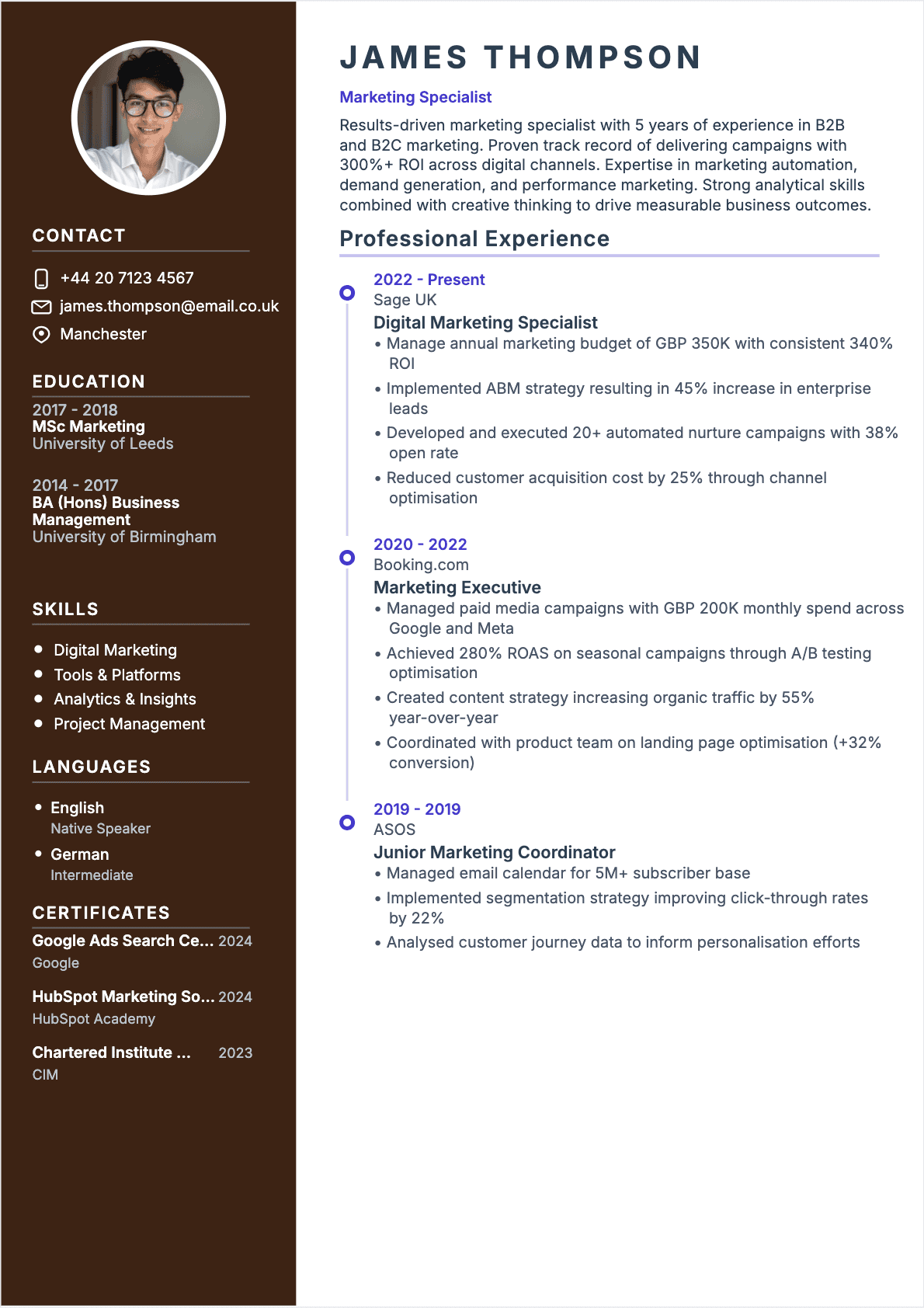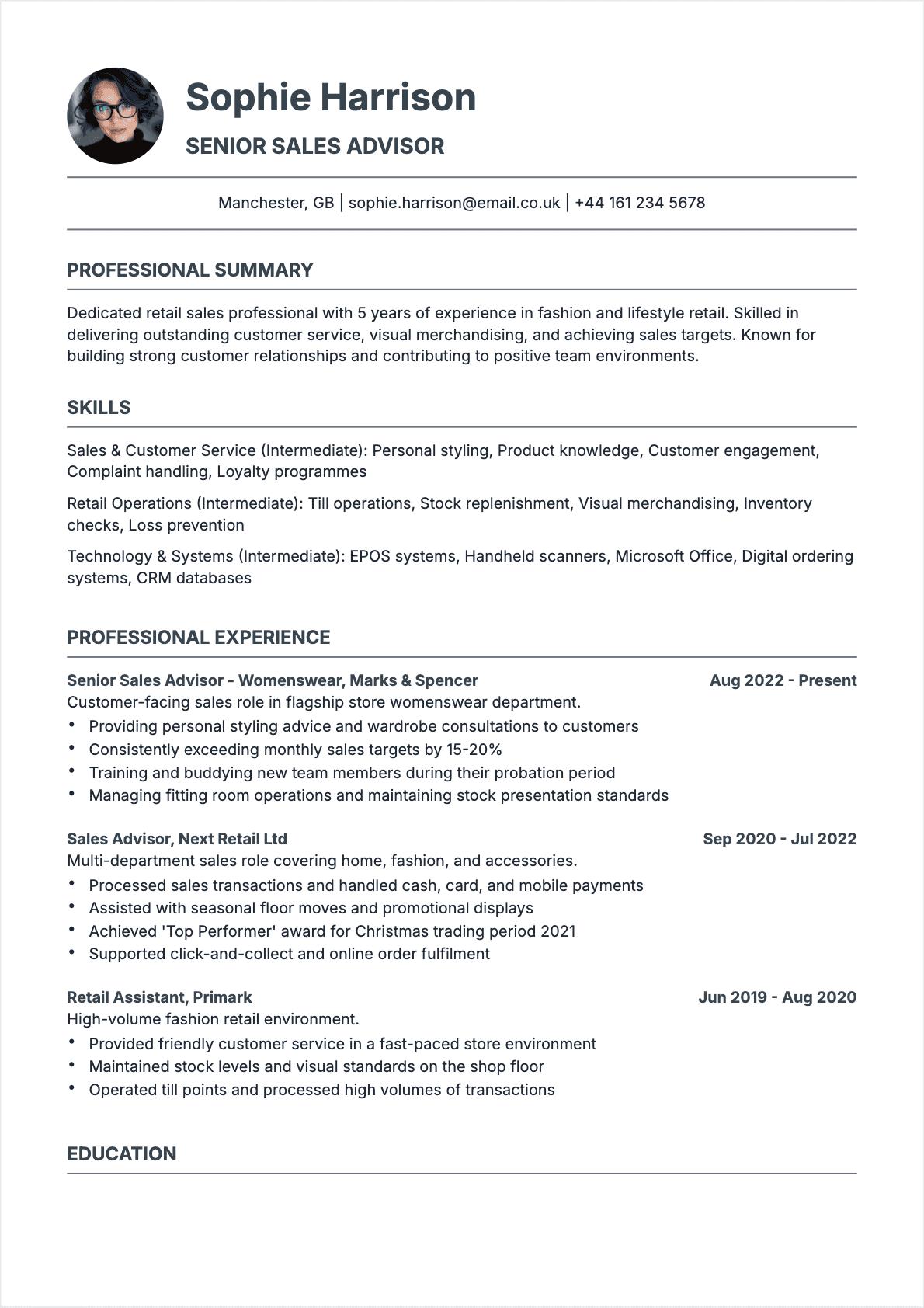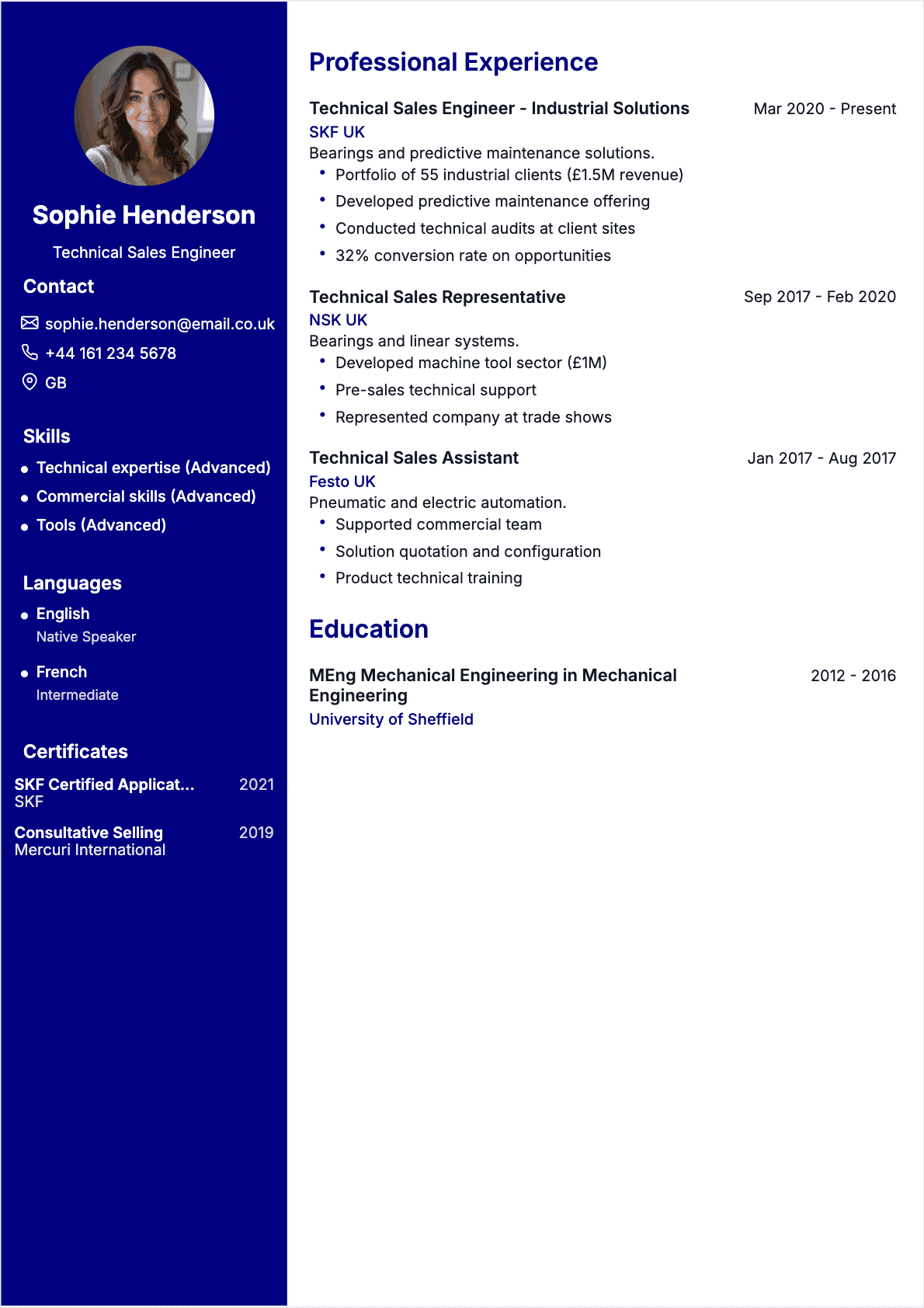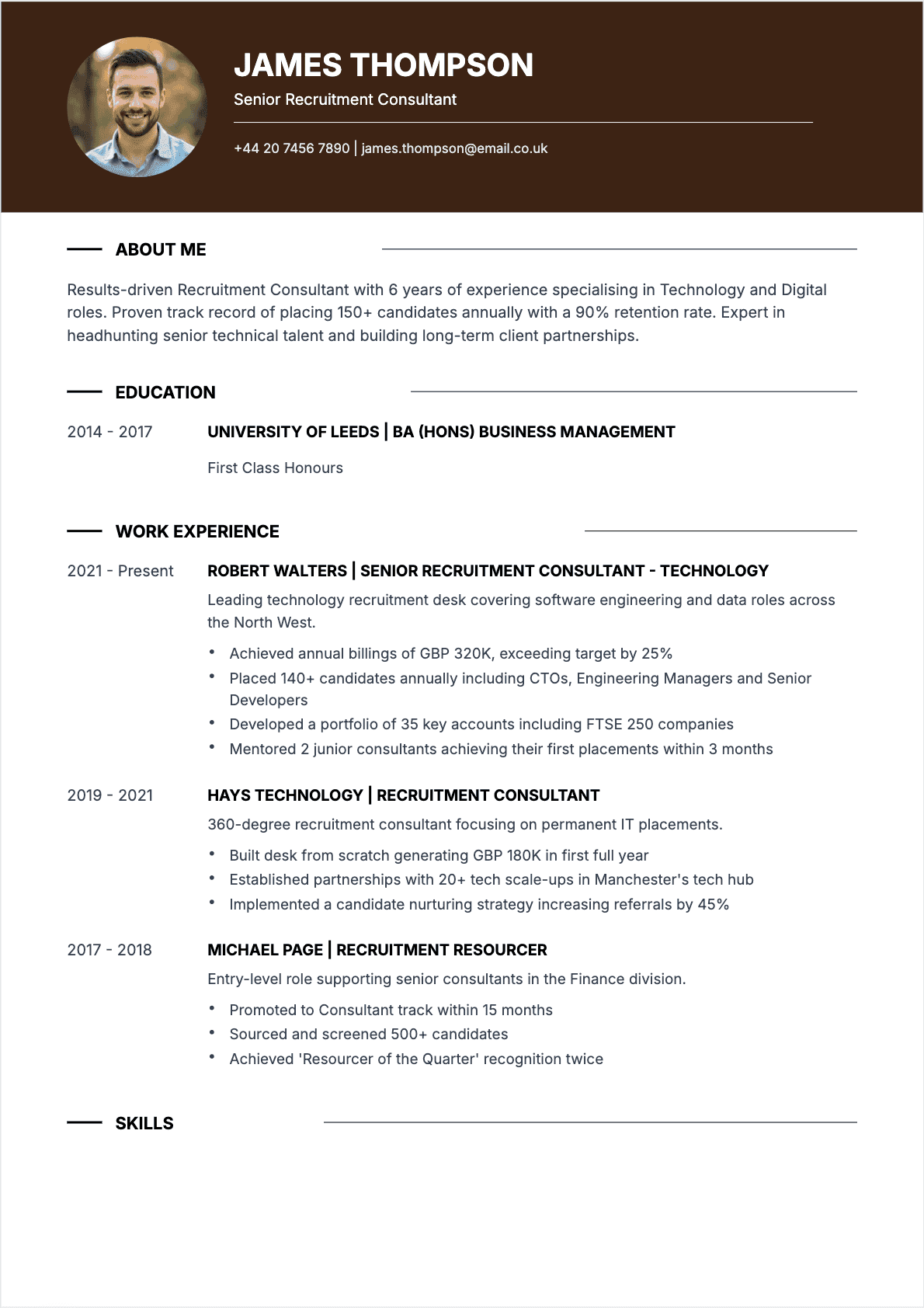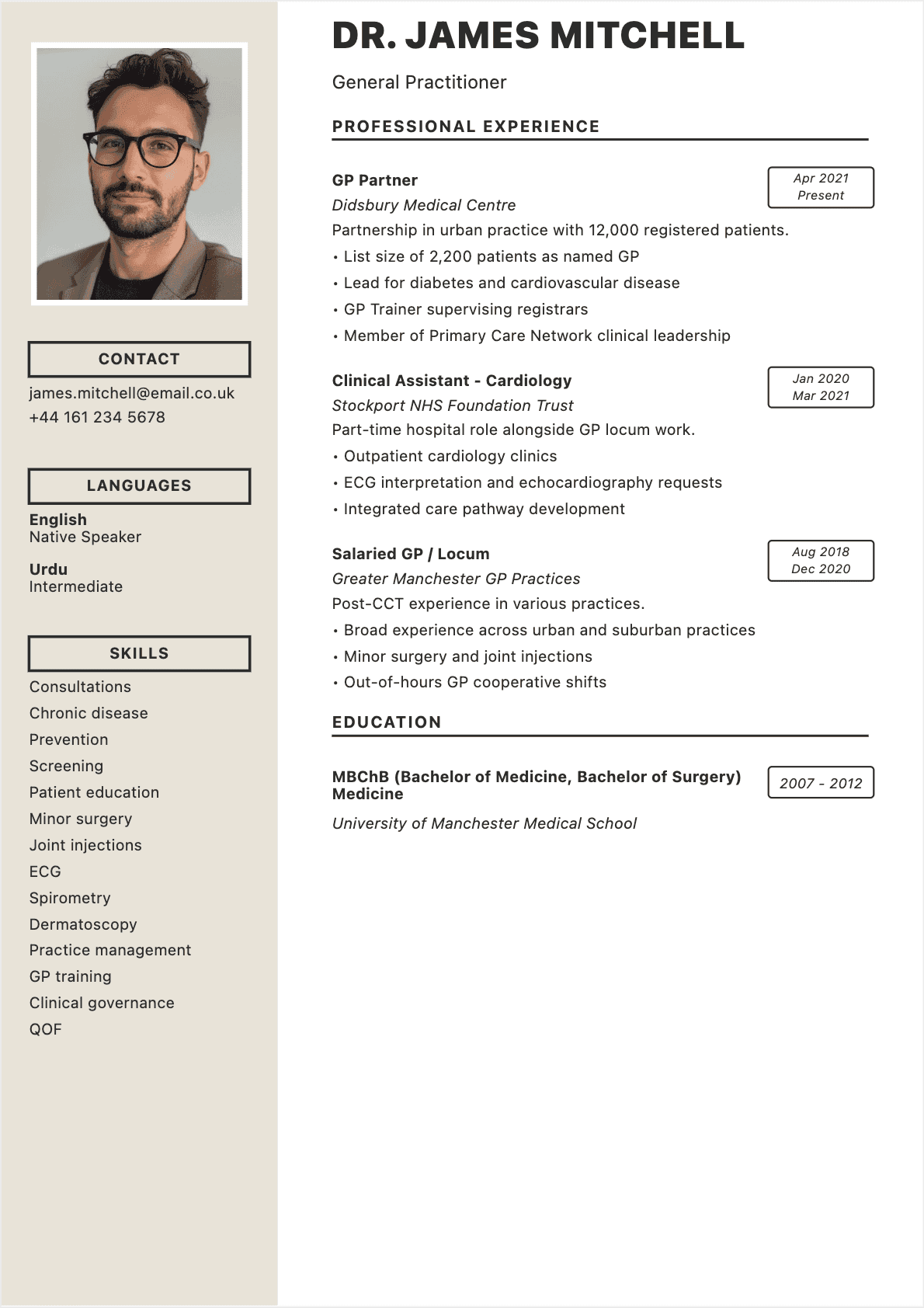

Last March, a friend of mine applied to forty-seven jobs in six weeks. Good companies, roles she was qualified for, a resume she'd spent a weekend perfecting. She got exactly two callbacks. When she finally asked me to take a look at her resume, I found the problem in under a minute: her skills section was a wasteland of buzzwords. "Detail-oriented." "Strong work ethic." "Team player." Nothing specific, nothing measurable, nothing that would survive an ATS filter or catch a hiring manager's eye.
That story is shockingly common in 2026. The job market has undergone a quiet revolution over the past two years, and the skills section of your resume is now ground zero. According to LinkedIn's 2026 Workforce Report, 76% of hiring managers across the U.S. and UK now evaluate candidates on demonstrated skills before they consider job titles, company pedigree, or educational background.
This guide is the result of hundreds of resume consultations, thousands of job postings analyzed, and real feedback from recruiters at companies like Amazon, JPMorgan, and Deloitte. By the time you finish reading, you'll know exactly which skills belong on your resume, how to present them for maximum impact, and which mistakes to avoid at all costs. Let's dig in.
Why Skills Have Become the #1 Hiring Criteria in 2026
The old hiring formula is broken. For decades, the path was linear: earn the right degree, get your foot in the door, work your way up. But that model started cracking years ago, and by 2026 it has largely collapsed. The Bureau of Labor Statistics reports that nearly 62% of new hires in 2025 came from non-traditional educational pathways — bootcamps, self-directed learning, career pivots, and professional certifications. Google removed degree requirements from most roles back in 2023. Apple, IBM, Delta, Walmart, and Bank of America followed suit.
The reason is blunt: companies realized that credentials don't predict performance. A Stanford MBA doesn't guarantee someone can build a financial model under pressure. A computer science degree doesn't mean someone writes clean, production-ready code. What does predict performance? Skills. Demonstrated, provable, specific skills 📊
The skills-first hiring revolution
This isn't a Silicon Valley fad. It's a structural change. JPMorgan Chase announced in 2025 that its entire talent acquisition framework would prioritize skills assessments over resume screening. The federal government began piloting skills-based hiring for civil service positions that same year. Walmart restructured how it evaluates candidates across 1.6 million U.S. positions.
What this means for your resume is concrete and immediate:
- Your skills section is the single most scrutinized part of your application
- Every skill you list needs to map directly to a requirement in the job posting
- Vague, generic descriptors like "motivated self-starter" get filtered out before a human ever reads them
- The right blend of hard skills, soft skills, and digital competencies can outweigh years of experience from a competitor
LinkedIn data from January 2026 confirms this: job postings that emphasize "required skills" instead of "required degrees" increased 48% year-over-year. The recruiters I work with say it plainly: "Tell me what you can do, not where you went to school." If your resume still leads with your education, you're working from an outdated playbook 🎯
Hard Skills vs Soft Skills: Understanding the Difference

Hard skills vs soft skills infographic: understanding the difference for your resume
Every resume needs both hard skills and soft skills. Leaving out either category weakens your candidacy in ways that most applicants don't fully appreciate until they start getting rejected. Understanding the distinction — and knowing how to balance them — is foundational.
Hard skills explained
Hard skills are the concrete, measurable abilities you've acquired through training, education, or hands-on practice. They're verifiable. You either know SQL or you don't. You can either operate Salesforce at an advanced level or you can't. There's no ambiguity.
Hard skills function as your entry ticket. They're what get you past ATS filters and onto a recruiter's shortlist. Without them, the rest of your resume is irrelevant because nobody will read it.
Categories of hard skills that consistently appear in 2026 job postings:
- Programming and scripting languages (Python, JavaScript, SQL, R, TypeScript)
- Data analysis and business intelligence (Power BI, Tableau, Google Analytics 4, statistical modeling)
- Project management tools and frameworks (Jira, Asana, Monday.com, Agile, Scrum, PMP)
- Cloud platforms and infrastructure (AWS, Azure, Google Cloud, Terraform)
- Digital marketing (SEO, paid media, marketing automation, content strategy)
- Financial software and accounting systems (SAP, Oracle NetSuite, QuickBooks, Bloomberg Terminal)
- Design and prototyping tools (Figma, Adobe Creative Suite, Canva, Sketch)
Soft skills explained
Soft skills are the behavioral and interpersonal qualities that shape how you collaborate, communicate, and handle challenges. They're harder to measure on a test, but that hasn't stopped them from becoming dealbreakers in the hiring process. Indeed's 2025 hiring data reveals a striking fact: 89% of hiring failures are traced back to soft skill deficiencies, not technical gaps. That number should give everyone pause.
The soft skills that employers prize most right now:
- Communication — written, verbal, presentational, and asynchronous (Slack, email)
- Adaptability and resilience under changing conditions
- Collaboration across teams, departments, and time zones
- Critical thinking and structured problem-solving
- Leadership and the ability to influence without formal authority
- Time management and ruthless prioritization
- Emotional intelligence and empathy
- Conflict resolution and difficult conversations
The ideal ratio on your resume
A reliable starting point: roughly 60% hard skills and 40% soft skills. But this ratio isn't sacred — it shifts based on the role. A machine learning engineer's resume should lean heavily technical. A VP of People should lead with interpersonal strengths. The ratio matters less than the principle: you need both categories represented, and you need evidence for each one.
The cardinal sin I see on resume after resume? A wall of technical competencies with zero personality. Hiring managers don't just want to know that you can run a regression analysis or configure a Kubernetes cluster. They want to know you can explain the results to a non-technical stakeholder without making them feel stupid. Show both sides 💡
The 15 Most In-Demand Skills in 2026

The 15 most in-demand skills in 2026 by category
This list is based on an analysis of over 2.4 million U.S. and UK job postings aggregated from Indeed, LinkedIn, and Glassdoor between October 2025 and January 2026. These are the skills that appear most frequently and most consistently across industries and seniority levels.
Top 8 hard skills
- AI and machine learning literacy — Up 210% in job postings since 2024. No longer limited to engineering roles.
- Data analysis and visualization — Power BI, Tableau, SQL, and advanced Excel dominate demand.
- Cloud computing — AWS, Azure, and GCP certifications remain among the highest-ROI credentials.
- Project management (Agile/Scrum/PMP) — Structured execution skills are valued across every sector.
- Cybersecurity and compliance — SOC 2, GDPR, HIPAA, and risk management are increasingly non-negotiable.
- Software development — Python, JavaScript, TypeScript, and React lead. Rust is the fastest-growing language.
- Digital marketing and SEO — Paid media buying, content optimization, and analytics expertise.
- Financial modeling and FP&A — Forecasting, budgeting, and advanced Excel remain indispensable in finance.
Top 7 soft skills
- Adaptability and resilience — The single most requested soft skill in 2026. Full stop.
- Communication across channels — Slack, Zoom, email, in-person: mastery of all four is now expected.
- Critical thinking — Especially the ability to evaluate and interrogate AI-generated outputs.
- Leadership without authority — Influencing outcomes when you don't control the org chart.
- Cross-functional collaboration — Breaking down silos between departments and disciplines.
- Creativity and innovation — Solving problems in ways that algorithms can't replicate.
- Emotional intelligence — Particularly critical for managing remote and hybrid teams.
There's a reason adaptability holds the number one spot among soft skills. Between ongoing AI disruption, multiple rounds of layoffs at major companies, and the permanent shift toward hybrid work, organizations are hungry for people who can absorb uncertainty without losing their effectiveness. I worked with a candidate last fall — solid technical profile, decent experience — who lost out on a senior role at a Fortune 500 because her resume showed zero evidence of handling ambiguity or change. Adaptability isn't a cliche. It's a selection criterion 🔥
AI and Digital Skills: The New Baseline
Here's the reality: if your resume doesn't reference AI skills in some form, you're already at a disadvantage. Two years ago, AI proficiency was a differentiator. In 2026, it's becoming a baseline expectation. A McKinsey Global Survey published in late 2025 found that 72% of companies now deploy AI in at least one core business function — and that number spans retail, healthcare, financial services, manufacturing, and education.
You don't need to be training large language models. But you do need to demonstrate that you can use AI tools effectively in your daily work. Here's what the job market actually rewards:
Essential AI skills:
- Prompt engineering — writing precise, effective instructions for ChatGPT, Claude, Copilot, and Gemini
- AI-assisted content creation, editing, and summarization
- Workflow automation with AI connectors (Zapier, Make, Power Automate, custom GPTs)
- Critical evaluation of AI outputs — spotting hallucinations, checking facts, identifying bias
- Integrating AI into existing business processes without disrupting them
Complementary digital skills:
- Data literacy — interpreting dashboards, understanding statistical significance, drawing actionable conclusions
- Cybersecurity fundamentals — phishing awareness, multi-factor authentication, secure data handling
- Remote collaboration platforms — Slack, Microsoft Teams, Notion, Loom, Miro
- No-code and low-code tools — Airtable, Retool, Bubble, Webflow
- CRM and marketing automation platforms — Salesforce, HubSpot, Marketo
Let me give you a real example. Someone I advised last year works in accounts payable at a mid-size logistics company — not a tech role by any stretch. She started using Claude to draft vendor follow-ups and built a simple Power Automate flow to route invoices for approval. She put both on her resume. Within two weeks of applying, she had three interview requests after months of silence. The bar for "AI skills" is lower than most people assume. You don't need to be an engineer. You just need to show you're not afraid of the tools 🚀
How to Identify Your Key Skills (4-Step Method)
The biggest obstacle most people face isn't a shortage of skills. It's an inability to see and articulate the ones they already have. You use valuable skills every single day at work — you've just stopped thinking of them as skills because they feel routine. That's normal, and it's fixable.
Here's the method that has worked for hundreds of the job seekers I've coached:
Step 1: Dissect the job posting
Read the job description three times. First pass: highlight every explicitly mentioned skill. Second pass: identify the implied skills (if they say "manage a team of 8," that implies leadership, delegation, performance management, and conflict resolution). Third pass: separate everything into "must-have" and "nice-to-have" categories.
One move that most applicants skip: review 3-4 similar postings at different companies. The skills that overlap across all of them represent true market demand. The ones that appear in only one posting are likely company-specific preferences you can deprioritize.
Step 2: Inventory what you actually bring
Sit down with a blank sheet of paper and list every skill you can think of, using these prompts to jog your memory:
- What tools and software do you use every week?
- What tasks do coworkers routinely ask you for help with?
- What have you been praised for in performance reviews or 1:1s?
- What certifications, courses, or trainings have you completed?
- What problems have you solved that others couldn't or wouldn't?
Don't censor yourself. Get everything down first, even the things that seem obvious. You'll curate in Step 4.
Step 3: Cross-reference with market demand
Take your personal inventory and hold it up against what employers are actively paying for. Our best resume skills guide breaks down the most in-demand skills by industry and role type, which makes this comparison faster. Also scan LinkedIn job postings in your target field and flag any recurring requirements you're missing.
Step 4: Prioritize ruthlessly
Narrow your list to 8 to 12 skills. No more. For every skill that makes the cut, apply this litmus test: "Can I point to a specific situation where I used this skill and produced a measurable result?" If the answer is no, either find the evidence or cut the skill. An unsubstantiated claim on a resume isn't just unhelpful — it's actively suspicious. Experienced recruiters can smell padding from a mile away 💪
50+ Skill Examples by Industry
Generic skill lists won't help you because generic skills don't win interviews. What follows are specific, current, recruiter-validated skills organized by sector — pulled from real U.S. and UK job postings published between November 2025 and February 2026. Find your industry, cherry-pick the skills that match your experience, and tailor them for each application.
Marketing and Communications
- Content strategy and SEO (technical SEO, on-page optimization, link building)
- Paid media management (Google Ads, Meta Ads, LinkedIn Campaign Manager, TikTok Ads)
- Marketing analytics (Google Analytics 4, Mixpanel, Looker Studio, attribution modeling)
- Email marketing and lifecycle automation (HubSpot, Klaviyo, Braze, Mailchimp)
- Social media management and community engagement
- Brand strategy, positioning, and messaging architecture
- Conversion copywriting and A/B testing frameworks
- Influencer and creator partnership management
- Marketing budget allocation and ROI reporting
Tech and Development
- Full-stack development (React, Next.js, Node.js, Python, Go, TypeScript)
- Cloud architecture and infrastructure-as-code (AWS, Azure, GCP, Terraform, Pulumi)
- DevOps and CI/CD pipelines (Docker, Kubernetes, GitHub Actions, ArgoCD)
- API design, microservices, and distributed systems architecture
- AI/ML integration and prompt engineering (LangChain, OpenAI API, RAG pipelines, vector databases)
- Database design and optimization (PostgreSQL, MongoDB, Redis, DynamoDB)
- Application security (OWASP Top 10, penetration testing, SAST/DAST)
- Agile ceremonies and sprint execution (Scrum, Kanban, SAFe)
- System design, scalability planning, and load testing
Finance and Accounting
- Financial modeling, forecasting, and scenario analysis (Excel, Python, Anaplan)
- GAAP and IFRS compliance and reporting
- ERP systems (SAP S/4HANA, Oracle NetSuite, Workday Financials)
- FP&A — budgeting, variance analysis, and management reporting
- Regulatory compliance (SOX, SEC filings, Dodd-Frank, anti-money laundering)
- Business intelligence and data visualization (Power BI, Tableau, Looker)
- Treasury management, cash flow optimization, and working capital analysis
- Audit procedures — internal controls, risk assessment, and testing
- Tax planning and multi-state/multi-jurisdiction compliance
Healthcare
- Electronic Health Records administration (Epic, Cerner, Meditech, Allscripts)
- HIPAA compliance and patient data security protocols
- Clinical documentation and medical coding (ICD-10-CM, CPT, HCPCS)
- Patient care coordination and interdisciplinary case management
- Telehealth and virtual care platform proficiency
- Quality improvement methodologies (Lean Six Sigma, PDSA cycles)
- Interdisciplinary team collaboration across clinical and administrative functions
- Evidence-based practice, clinical research, and outcomes measurement
Sales and Business Development
- CRM platform mastery (Salesforce, HubSpot Sales Hub, Pipedrive, Gong)
- Pipeline management, forecasting, and revenue planning
- Consultative and solution-based selling (MEDDIC, Challenger, SPIN, Sandler)
- Account-based marketing (ABM) and multi-threaded prospecting
- Contract negotiation, deal structuring, and procurement navigation
- Revenue operations and KPI analysis (ARR, MRR, NRR, CAC, LTV, churn)
- Territory planning, market segmentation, and competitive positioning
- Customer success, retention strategy, and expansion revenue
HR and Management
- Full-cycle talent acquisition and employer brand strategy
- HRIS and people analytics platforms (Workday, BambooHR, ADP, Greenhouse)
- Employment law and regulatory compliance (FMLA, ADA, EEO, FLSA, Title VII)
- Learning and development program design and facilitation
- Total rewards — compensation benchmarking, benefits administration, equity programs
- Change management and organizational transformation (Prosci ADKAR, Kotter)
- DEI strategy, measurement, and program implementation
- Remote and hybrid team management across time zones
- Performance management systems and succession planning
To see exactly how these skills fit into a finished resume, browse our collection of resume examples by profession for real templates organized by industry and experience level.
How to Present Skills on Your Resume
Identifying the right skills is half the equation. The other half — how you present them — is what separates a resume that generates callbacks from one that disappears into a database. Layout, placement, and phrasing all matter more than most people realize.
The dedicated skills section
Create a clearly labeled skills section and position it directly after your professional summary or headline. This is the highest-value space on the page. Break it into logical subcategories so recruiters can parse it in seconds:
- **Technical Skills: **hard skills, tools, platforms, certifications, and measurable proficiencies
- **Core Competencies: **soft skills and professional strengths, framed in business language
- **Tools & Platforms: **specific software you're proficient in — particularly useful for ATS matching
For a complete walkthrough of structuring every section of your resume, our guide on how to write a resume covers it from top to bottom.
Weaving skills into experience bullets
Your skills section gets you past the algorithm. Your experience section is where you prove those skills are real. Every bullet point under your work history should demonstrate a skill in action — ideally with a quantified result attached.
Weak: "Responsible for social media management"
Strong: "Managed organic and paid social strategy across 4 platforms, growing engagement by 156% and generating $340K in attributed pipeline over 12 months"
The strong version proves the skill (social media management), shows scope (4 platforms, both organic and paid), and quantifies impact (156% growth, $340K pipeline). That's the kind of bullet that earns a recruiter's attention.
ATS keywords: the invisible gatekeeper
Here's a statistic that changes how you think about resumes: over 98% of Fortune 500 companies use Applicant Tracking Systems to screen resumes before any human involvement. If your skills section doesn't contain the exact keywords from the job posting, you're eliminated automatically. It doesn't matter how qualified you are.
The fix is mechanical: mirror the precise language from the posting. If it says "stakeholder management," don't write "working with internal partners." If it says "Salesforce CRM," don't substitute "CRM platform." Be specific. Be literal. For a deep dive on keyword strategy, read our guide on most common resume keywords 📋
Before/After: Transforming Vague Skills Into Powerful Ones

Before/after: transforming vague skills into quantified strengths
The gap between a forgettable resume and one that lands interviews usually comes down to phrasing. Not strategy, not layout, not font choice — phrasing. Here are five real transformations that illustrate the difference:
Before: "Good communicator" After: "Led weekly cross-departmental standups with 15 stakeholders, authored quarterly business reviews for C-suite, and launched an internal newsletter that reached a 71% open rate"
Before: "Proficient in Excel" After: "Built automated financial dashboards in Excel (Power Query, pivot tables, INDEX/MATCH, VBA macros) that cut monthly reporting time from 8 hours to 50 minutes"
Before: "Team player" After: "Partnered with a distributed team of 11 across 3 time zones during a 10-month platform migration, delivering on schedule with zero critical production incidents"
Before: "Project management experience" After: "Directed 4 concurrent product launches ($1.3M combined budget) using Agile methodology, achieving 100% on-time delivery and a 96% client satisfaction score"
Before: "Knowledge of AI tools" After: "Designed and deployed AI-powered workflows using ChatGPT and Zapier, automating 22 recurring reports and saving the operations team an estimated 18 hours per week"
Every strong skill statement follows the same formula. I call it the SRC Framework: Skill + Result + Context. Name the skill, quantify what you achieved, and provide enough context for the reader to understand the scope. Apply this consistently and you'll have a resume that reads like a portfolio of accomplishments rather than a wish list ✨
5 Mistakes That Ruin Your Skills Section
These are the errors that sink otherwise strong resumes. I've seen each of them hundreds of times, and any one of them can move your application from the "interview" pile to the "reject" pile.
Mistake #1: Listing skills without a shred of evidence
"Self-starter." "Results-driven." "Passionate." These words appear on millions of resumes and have been drained of all meaning. Every recruiter in America has seen them fifty times today. If you can't attach a specific accomplishment, a number, or a concrete scenario to a skill, take it off. A vague claim is worse than silence because it suggests you don't have anything real to offer.
Mistake #2: Recycling the same skills for every application
Customizing your resume for each role takes fifteen to twenty minutes. Not doing it costs you the interview. Each job posting spells out exactly what skills the employer wants. Mirror them. A one-size-fits-all skills section is detectable in about three seconds, and it tells the recruiter you couldn't be bothered to read the posting carefully. For a walkthrough of how to tailor your resume efficiently, see our guide on creating a targeted resume.
Mistake #3: Inflating or fabricating skills
Claiming "fluent in Mandarin" when you know twenty phrases. Listing "advanced Python" when you completed half a Coursera course. The temptation is understandable, but the consequences are brutal. Technical skills get tested in interviews. Language skills get exposed in real time. And once a recruiter catches a misrepresentation, your credibility is gone — not just for that role, but potentially for that entire company. List only skills you'd be comfortable demonstrating live 🚫
Mistake #4: Too many skills, or too few
Fewer than 5 skills and you look underqualified. More than 15 and you've created a wall of text that communicates nothing. The optimal range for most professionals is 8 to 12 carefully selected, clearly supported skills. When everything is emphasized, nothing is emphasized. A curated list signals strategic thinking. A kitchen-sink list signals desperation.
Mistake #5: Omitting digital and AI competencies entirely
In 2026, submitting a resume with no digital skills is as conspicuous as submitting one without a phone number was ten years ago. Every industry now requires some level of digital fluency — from HR professionals using HRIS platforms to warehouse managers operating inventory software to teachers deploying learning management systems. If digital skills aren't on your resume, employers will assume you're behind the curve.
For the complete catalog of resume pitfalls and how to dodge them, read our breakdown of common resume mistakes.
How Many Skills Should You List?
"Just give me a number." I hear this in almost every coaching session. And the honest answer depends on where you are in your career:
- Entry-level (0-3 years): 6 to 8 skills — Lead with transferable skills, relevant coursework, certifications, and internship experience. If you're struggling to fill this section, our guide on building a resume with no experience will help you uncover skills you didn't know you had.
- Mid-career (3-10 years): 8 to 12 skills — The ideal range. You should have a battle-tested mix of specialized hard skills and demonstrated soft skills backed by real outcomes.
- Senior-level (10+ years): 10 to 15 skills — You've earned the right to a longer list, but only if every entry is directly relevant to the position you're targeting. Senior candidates often make the mistake of listing everything they've ever done instead of curating for maximum impact.
You might also consider adding hobbies and interests on your resume when they authentically reinforce a relevant skill — marathon running demonstrates discipline and persistence, debate club shows persuasive communication, open-source contributions prove genuine technical curiosity. Keep it to 2-3 entries that actually add value.
The trap to watch for: the assumption that longer means better. A resume with 25 skills listed in a dense paragraph communicates one thing — that you didn't take the time to prioritize. Ten focused, well-evidenced skills will always outperform twenty-five unfocused ones. Precision beats volume, every time 🎯
Quick Recap: Your Skills Checklist
Before you submit your next application, run through this list. Think of it as your pre-flight check:
- Analyze the job posting and identify every explicit and implied skill requirement
- Balance hard skills (~60%) and soft skills (~40%), adjusting the ratio for the specific role
- Include at least 2-3 AI or digital skills — yes, even if your role isn't technical
- Apply the SRC Framework to every skill: Skill + Result + Context
- Customize your skills section for EVERY application (no copy-paste resumes)
- Keep your count between 8 and 12 skills for most career levels
- Present skills both in a dedicated section AND woven into your experience bullets
- Mirror the exact language from the job posting to survive ATS screening
For a complete, step-by-step walkthrough of building a professional resume from the ground up, our comprehensive guide on how to write a resume covers every section, every formatting decision, and every common mistake.
FAQ: Your Skills Questions, Answered
How many skills should I put on my resume?
The sweet spot for most professionals is 8 to 12 skills. Entry-level candidates can go as low as 6 to 8, while senior-level professionals might list up to 15. The non-negotiable rule: every skill on your resume should be relevant to the target role and supported by a specific example or measurable result from your experience. A shorter, substantiated list will always outperform a longer, generic one.
What is the difference between a skill and a qualification?
A qualification is a formal credential — a degree, a professional certification, a license. Think CPA, PMP, AWS Solutions Architect, or a master's in data science. A skill is a demonstrated ability: financial modeling, cross-functional project leadership, Python scripting, stakeholder communication. Both belong on your resume, but they serve different functions. Qualifications establish legitimacy. Skills prove you can deliver results. The strongest candidates present both in tandem.
Should hard skills and soft skills be separated on the resume?
Yes, and hiring managers strongly prefer it. Use two clear subcategories within your skills section — "Technical Skills" and "Core Competencies" is a clean, widely understood format. Some candidates add a third grouping for tools, platforms, or languages, which works especially well for technical roles or positions requiring multilingual proficiency. The goal is to make your skill profile scannable in under ten seconds.
How do I prove my skills if I do not have formal certifications?
Certifications are valuable, but they're far from the only form of proof. The most compelling evidence comes from results. Instead of writing "skilled in data analysis," write "built a customer segmentation model that increased email campaign conversion rates by 34% quarter-over-quarter." That's proof. You can also reference completed projects, freelance engagements, volunteer roles, or personal portfolio work. A GitHub profile with production-quality code, a marketing blog with published case studies, or a track record of events you organized all serve as credible demonstrations of skill.
What skills should I list if I am changing careers?
Lead with transferable skills — communication, project management, analytical thinking, leadership, stakeholder management, and data literacy translate across virtually every industry. Then identify the 2-3 technical skills most critical in your target field and invest in building them, even at a foundational level. An industry certification, a completed portfolio project, or a structured bootcamp can bridge the gap quickly. Frame your narrative as: "I bring proven competencies from a different context AND I've put in the work to understand your industry." Career changers who position themselves this way get taken seriously.
Are AI skills really necessary for non-technical roles?
The data is unambiguous: yes. McKinsey reports that 72% of companies already use AI in at least one business function, and the World Economic Forum projects that 83% will expand AI adoption by 2027. In practice, this means accountants using AI for anomaly detection, HR professionals using it for candidate sourcing and scheduling, marketing coordinators using it for content generation and analytics, and sales teams using it for lead scoring and email personalization. You don't need to understand neural network architecture. You need to show that you can use AI tools productively in your specific work context. Even listing "AI-assisted workflow automation" or "prompt engineering fundamentals" signals forward-thinking adaptability.
How often should I update the skills on my resume?
Review your skills section every six months at minimum, even when you're not actively job hunting. The pace of change in 2026 is relentless — skills that were cutting-edge eighteen months ago may now be baseline expectations. Set a recurring calendar reminder. When you complete a certification, master a new tool, or lead a project that develops a new competency, add it right away. Equally important: remove skills that have become outdated, irrelevant, or too common to differentiate you. Your resume should reflect your current best self, not serve as a historical archive.
Where on the resume should the skills section appear?
Immediately after your professional summary or headline, before your work experience. Eye-tracking research consistently shows that recruiters scan resumes in an F-shaped pattern, spending the most time on the upper third of the first page. Your skills section needs to live in that high-attention zone. For experienced professionals, an alternative approach is weaving skills directly into each work experience bullet rather than maintaining a separate section — this works well when your experience is extensive and compelling. Whichever format you choose, the guiding principle is non-negotiable: your most relevant skills must be visible within the first seven seconds of someone looking at your resume. That window is all you get.