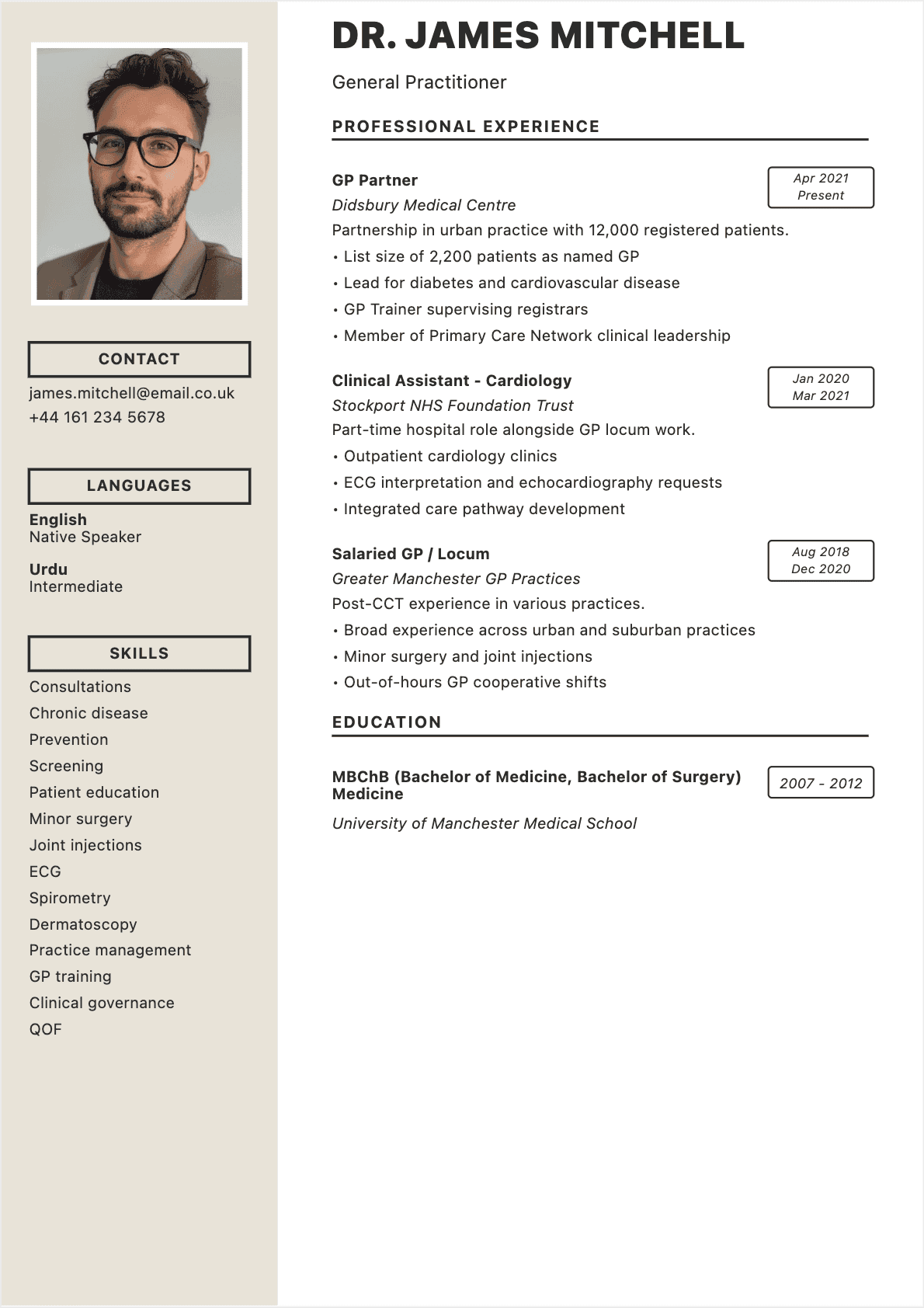

A few years ago, I was reviewing final-round candidates for a product management position at a well-known SaaS company. Two applicants were virtually identical on paper: same caliber of experience, similar educational backgrounds, comparable technical skills. The hiring manager was genuinely torn. Then she pointed at one resume and said, "This one. She runs ultramarathons and volunteers as a crisis counselor. That tells me she can handle pressure and she actually cares about people." The other candidate listed nothing beyond his work history. He didn’t get the call.
That moment crystallized something I’d observed throughout my recruiting career: hobbies on a resume are not filler—they are a strategic weapon when used correctly. The problem is that most job seekers either leave them off entirely (missing an opportunity to differentiate themselves) or include the wrong ones (creating a distraction that works against them). "Reading" and "traveling" add nothing. "Founded a nonprofit coding bootcamp for underserved teens" changes the entire conversation. 🎯
In the US and UK job markets of 2026, where companies receive hundreds of applications per opening and ATS software reduces most resumes to keyword scores, the interests section is one of the few places where your personality can break through the algorithmic noise. LinkedIn’s 2026 Workforce Report found that 72% of hiring managers say they consider cultural fit as important as technical qualifications. Your hobbies and interests section is the most direct signal of cultural fit on your entire resume.
This guide will teach you exactly which hobbies belong on a resume, which ones to avoid, how to present them for maximum impact, and when to leave the section off entirely. Whether you’re a recent graduate looking to fill space with substance or a senior professional deciding whether interests are worth the real estate, you’ll walk away with a clear, actionable strategy. For the broader framework of building a strong resume from the ground up, start with our complete guide to writing a resume.
Why Hobbies and Interests Matter on a Resume in 2026
Let me be direct: five years ago, I would have told most experienced professionals to skip the interests section entirely. The calculus has changed. The hiring landscape in 2026 is defined by three forces that make hobbies more strategically relevant than they’ve been in decades.
The Cultural Fit Revolution
Companies have learned—often painfully—that hiring for skills alone doesn’t work. A brilliant engineer who can’t collaborate destroys more value than they create. A top-performing salesperson who clashes with the team culture burns out in six months. According to a 2025 SHRM study, 89% of hiring failures are attributed to poor cultural fit, not technical deficiency. That statistic has reshaped how recruiters evaluate candidates. They’re no longer just asking "Can this person do the job?" They’re asking "Will this person thrive in our environment?" Your interests section answers that second question in ways that your work experience cannot.
The ATS Paradox
Here’s the irony of modern hiring: ATS platforms have made resumes more standardized, which means most applications look almost identical after keyword optimization. When three candidates all list the same skills, the same certifications, and the same professional summary structure, the hiring manager needs a tiebreaker. That tiebreaker is often the interests section. It’s the only part of your resume that reveals who you are beyond your job title. 📊
The Remote Work Factor
With remote and hybrid work now permanent fixtures in the US and UK job markets, employers face a new challenge: building team cohesion among people who may never meet in person. Shared interests have become a primary mechanism for team bonding. I’ve seen multiple hiring managers select candidates partly because their hobbies aligned with the team’s culture—a running enthusiast joining a team that organizes charity races, or a board game hobbyist fitting into a team with a weekly game night tradition. These connections matter more than most applicants realize.
When to Include Hobbies on Your Resume (and When to Skip Them)
Not every resume needs an interests section. The decision depends on your experience level, the role you’re targeting, and whether your hobbies genuinely strengthen your candidacy. Here’s a straightforward framework for making the call.
Include Them When...
- **You’re early in your career. **If you have fewer than 5 years of professional experience, hobbies help fill the page with relevant content rather than stretching thin experience across too much white space. They demonstrate character traits that your limited work history may not fully convey.
- **Your hobby directly supports the role. **A competitive chess player applying for a strategy consulting role. A marathon runner applying for a sales position that requires stamina and self-discipline. A podcaster applying for a communications role. When the connection is clear, the hobby becomes evidence of relevant capability.
- **The company culture values personality. **Startups, creative agencies, tech companies, and organizations with strong stated values often appreciate seeing who you are beyond your credentials. Read the company’s careers page and social media—if they showcase team outings, volunteer days, or quirky traditions, an interests section will resonate.
- **You need a conversation starter. **Interviews are conversations, and unusual or interesting hobbies give interviewers something memorable to ask about. "I see you’ve summited three of the Seven Summits—tell me about that" is a much better opening than another question about your last project.
Skip Them When...
- **Your resume is already two full pages. **If you have extensive experience and every line is occupied by relevant work history, skills, and certifications, an interests section adds clutter. Space on a senior resume is expensive—don’t spend it on hobbies unless they’re exceptional.
- **Your hobbies are generic and unsupported. **"Reading, traveling, cooking" tells a recruiter nothing they couldn’t assume about any human being. If you can’t make your hobby specific and interesting, leave it out.
- **The industry is highly conservative. **Traditional banking, Big Law, and certain government positions may view an interests section as informal or unprofessional. Read the room. When in doubt, leave it off for ultra-conservative environments.
- **Your hobby could be polarizing. **Political activism, religious activities, or extreme sports can trigger unconscious bias. This isn’t fair, but it’s real. Unless you’re applying to an organization that explicitly values that particular interest, consider the risk. ⚠️
Which Hobbies Look Best on a Resume

Good vs bad hobbies for CV - en
The hobbies that impress recruiters share one trait: they reveal a transferable quality that strengthens your professional candidacy. The best interests are specific, demonstrable, and implicitly connected to workplace skills—even if you never spell out the connection explicitly. Here are the categories that consistently perform well in the US and UK job markets.
Leadership and Team Activities
Team sports (captain of a basketball league, member of a rowing club), community organizing, coaching youth teams, leading a volunteer group, or serving on a neighborhood board. These activities demonstrate collaboration, communication, accountability, and the ability to motivate others—all of which map directly to workplace competencies. 🤝
Creative and Intellectual Pursuits
Writing a blog, learning a musical instrument, painting, photography, woodworking, or graphic design. Creative hobbies signal problem-solving ability, patience, attention to detail, and a capacity for self-directed learning. A software engineer who builds hand-crafted furniture on weekends is showing a recruiter that they appreciate precision and craftsmanship.
Physical and Endurance Activities
Marathon running, triathlon training, rock climbing, competitive cycling, or martial arts. These activities communicate discipline, goal-setting, resilience, and the ability to push through discomfort—qualities that every employer values, particularly for demanding roles with tight deadlines and high pressure.
Community and Volunteer Work
Volunteering at a food bank, mentoring at-risk youth, fundraising for charitable causes, organizing community events, or serving on the board of a nonprofit. Volunteer work demonstrates empathy, social responsibility, and the initiative to contribute beyond what’s required—traits that are increasingly valued in corporate environments that prioritize ESG (environmental, social, and governance) commitments.
Technical and Analytical Hobbies
Contributing to open-source software projects, building personal apps or websites, participating in hackathons, competitive programming, 3D printing, or amateur radio. For tech roles, these hobbies are almost as valuable as professional experience because they prove genuine passion for the craft. For non-tech roles, they signal digital fluency and a willingness to learn complex systems.
Languages and Cultural Interests
Studying a foreign language, attending cultural exchange events, or participating in international communities. In a globalized job market, multilingual candidates and those with cross-cultural awareness have a measurable advantage. If you’re conversational in a second language, list it with your proficiency level (B2, C1, or "professional working proficiency").
Hobbies and Interests Examples by Industry

Strategic hobbies by industry sector - en
Generic advice won’t cut it. What works on a resume for a finance role will be different from what works for a creative agency or a healthcare organization. Here are industry-specific examples that recruiters in each sector will actually respond to. 💼
Technology and Software
- Open-source contributor (specify projects or GitHub profile)
- Hackathon participant or organizer (mention wins or specific events)
- Home automation and IoT projects
- Competitive programming (LeetCode, Codeforces ranking if strong)
- Tech blog author or podcast host
- Robotics or drone building
Finance and Consulting
- Chess or strategy board games (competitive level adds weight)
- Investment club member or personal portfolio management
- Marathon running or endurance sports
- Debate or public speaking (Toastmasters membership)
- Financial literacy volunteer or mentor
- Data visualization as a hobby (personal Tableau or Power BI projects)
Marketing and Creative
- Personal blog or content creator (include audience size if noteworthy)
- Photography (published work, exhibitions, or Instagram following)
- Graphic design or illustration side projects
- Community theater or improv comedy
- Social media management for a nonprofit or community group
- Podcasting (include download numbers if impressive)
Healthcare and Science
- Medical mission volunteer (Doctors Without Borders, local free clinics)
- Health and wellness coaching
- Science communication or outreach (writing, speaking, teaching)
- Research outside of work (citizen science, amateur astronomy)
- Yoga instructor certification or fitness coaching
Sales and Business Development
- Team sports with leadership roles (captain, coach, organizer)
- Public speaking or Toastmasters
- Networking group organizer or event host
- Fundraising for charity (include amounts raised)
- Competitive activities (debate, trivia, recreational leagues)
For comprehensive guidance on choosing the right skills to complement your interests section, explore our complete skills guide for 2026. And to see how interests fit into real, polished resumes, browse our resume examples gallery.
How to Write Your Interests Section (Step by Step)
Knowing which hobbies to include is only half the equation. How you present them determines whether they strengthen or weaken your resume. Follow these steps to create an interests section that adds genuine value.
Step 1: Choose the Right Label
Use a clear, professional section heading. "Interests", "Interests & Activities", or "Hobbies & Interests" are all acceptable. Avoid creative labels like "What Makes Me Tick" or "Beyond the Office"—ATS parsers may not recognize them, and recruiters scanning quickly may skip past them. 📝
Step 2: Be Specific, Not Generic
This is the most important rule. Every interest on your resume should be specific enough to paint a picture. Compare these two approaches:
Weak: "Sports, reading, cooking"
Strong: "Captain of a recreational basketball league (12-team, 150+ players), avid reader of behavioral economics (30+ books annually), home chef specializing in regional Italian cuisine"
The weak version tells the recruiter nothing. The strong version communicates leadership, intellectual curiosity, and dedication—all without a single buzzword.
Step 3: Connect to the Role (Subtly)
You don’t need to spell out the connection between your hobby and the job. In fact, being too explicit sounds forced ("I enjoy chess, which has made me a strategic thinker"). Instead, let the connection speak for itself. A recruiter evaluating candidates for a project management role will intuitively recognize that someone who organizes charity fun runs understands logistics, timelines, and stakeholder coordination. Trust the reader.
Step 4: Keep It Concise
Your interests section should take up no more than 2–3 lines on the page. List 3–5 interests, each with enough detail to be meaningful but not so much that the section overwhelms your professional content. Remember, this section supports your candidacy—it doesn’t define it.
Step 5: Position It Correctly
Place the interests section at the bottom of your resume, after skills, education, and certifications. It’s the closing note—the last impression you leave. For early-career candidates, it can carry more weight and may sit directly after education. For senior professionals, it should be the final section and relatively brief. For a broader understanding of how every section fits together, see our guide to the best resume skills.
Hobbies to Avoid on Your Resume
Not every interest belongs on a professional document. Some hobbies add nothing, and a few can actively damage your candidacy. Here is a clear list of what to leave off—and why.
Generic Filler
"Socializing," "watching movies," "listening to music," "shopping," and "hanging out with friends" are not resume material. They describe basic human behavior, not distinctive interests. If your hobby is something that applies to virtually every person on earth, it doesn’t differentiate you. Cut it. 🚫
Potentially Polarizing Topics
Political activities, religious organizations, and highly partisan causes can trigger unconscious bias—either for or against you. Unless you’re applying to an organization where that specific alignment is an asset (a political campaign, a faith-based nonprofit), the risk outweighs the reward. This isn’t about hiding who you are. It’s about understanding that a resume is a marketing document, not a personal statement.
Passive or Solitary Entertainment
"Binge-watching Netflix," "playing video games," or "scrolling social media" communicate nothing about your professional potential. Even legitimate gaming interests (competitive esports, game development, speedrunning) should be framed carefully to highlight the transferable skill (strategic thinking, community management, technical problem-solving) rather than the leisure activity.
Dangerous or Extreme Activities
Skydiving, base jumping, or extreme motorsports might sound exciting, but they can make employers nervous about risk and availability. If your hobby involves meaningful injury risk, consider whether the impression it creates is worth the potential concern. A hiring manager at a conservative firm may wonder about your judgment rather than admire your adventurousness.
Anything You Can’t Talk About Intelligently
If you list "photography" and the interviewer asks about your favorite lens or recent project and you have nothing to say, you’ve undermined your credibility. Only include hobbies you genuinely engage in and can discuss with enthusiasm and knowledge. A recruiter can spot padding in the interests section just as easily as in the skills section. For a full list of resume pitfalls to watch for, see our guide on the most common resume mistakes.
Real Before-and-After Examples
The difference between a weak interests section and a strong one is almost always about specificity and framing. Here are five real transformations from candidates I’ve coached, showing exactly how small changes create big impact. ✨
Before: "Interests: Sports, reading, travel"
After: "Interests: Captain of a corporate 5-a-side football league (weekly matches, 8 teams), avid reader of business strategy and behavioral economics, backpacked solo through Southeast Asia for 3 months"
Before: "Hobbies: Cooking, music, volunteering"
After: "Interests: Home chef with a food blog reaching 2,000 monthly readers, self-taught guitarist (8 years, performing at open mic nights), weekly volunteer at a youth literacy program"
Before: "Interests: Technology, fitness"
After: "Interests: Built a smart home automation system using Raspberry Pi and Python, training for a first Olympic-distance triathlon (June 2026)"
Before: "Hobbies: Photography, hiking"
After: "Interests: Landscape photographer with work published in a regional outdoor magazine, completed 14 of Colorado’s 14ers (14,000+ ft peaks)"
Before: "Interests: Gaming, social media"
After: "Interests: Competitive Valorant player (Diamond rank, team captain in amateur league), grew a niche TikTok account to 45K followers through original content strategy"
Notice the pattern: every strong version includes a measurable detail (numbers, duration, achievement level) and a specific framing that implies a professional quality. The hobby itself doesn’t change—the presentation does.
Common Mistakes People Make With the Interests Section

Common hobby mistakes on CV - en
Even when candidates include the right hobbies, they often present them in ways that weaken rather than strengthen the resume. These are the mistakes I’ve seen most frequently over twelve years of reviewing resumes.
- **Listing too many interests. **An interests section with 10+ items looks like you’re padding. Stick to 3–5 carefully chosen entries. Quality over quantity, always.
- **Being too vague. **"Sports" is not a hobby—it’s a category. "Point guard for a local recreational basketball league" is a hobby. Specificity is the difference between filler and substance.
- **Including interests that contradict your professional image. **If you’re applying for a demanding finance role and your interests are "napping" and "watching reality TV," you’re sending the wrong signal about your work ethic. Every entry should reinforce—or at minimum not undermine—your professional brand. 🚩
- **Placing the section too prominently. **The interests section should be the last thing on the page. If it’s competing with your work experience or skills for visual attention, you’ve given it too much real estate. Keep it brief and positioned at the bottom.
- **Copying interests from online templates. **"Traveling, yoga, cooking" appears on approximately one million resumes. If your interests read like a template suggestion, they’re not doing any work for you. Be genuine and specific to stand out.
- **Fabricating interests to impress. **If you claim to be a marathon runner but have never run more than two miles, an interviewer who shares the hobby will expose you immediately. Authenticity is non-negotiable.
- **Neglecting to update the section. **Interests evolve. If you listed "learning guitar" three years ago and have since become an accomplished player, update the entry to reflect your progress. A stale interests section suggests a stale resume overall.
For a broader audit of your resume’s effectiveness, run through the most common resume keywords guide to ensure your entire document—including the interests section—is optimized for both ATS parsing and human readability.
How Recruiters Actually Evaluate the Interests Section
After twelve years in recruiting, I can tell you exactly how hiring professionals interact with the interests section—and it’s probably not what you expect. 🔍
It’s the Last Thing Read, But It Sticks
Recruiters scan resumes top to bottom. The interests section is at the bottom, which means it’s the final impression. Psychologists call this the recency effect: people remember the last piece of information they encounter disproportionately well. A memorable interest can become the thing the recruiter associates with your name when they’re reviewing a stack of 50 resumes later that day.
It’s Used as an Interview Warmup
Most experienced interviewers use the interests section as their opening question. "I see you’re into competitive sailing—tell me about that." This serves two purposes: it relaxes the candidate and it lets the interviewer assess communication skills, passion, and personality in a low-stakes context before diving into behavioral questions.
It Reveals Work-Life Balance and Energy
An interests section full of active, engaged pursuits signals a person with energy, curiosity, and a rich life outside work. Paradoxically, that helps your candidacy rather than hurting it. Employers know that well-rounded people with genuine outside interests tend to perform better, burn out less, and contribute more positively to team dynamics than those whose entire identity revolves around work.
It Can Be a Tiebreaker in Close Decisions
When two candidates are equally qualified—which happens more often than you’d think—the interests section can tip the scale. I’ve seen hiring managers choose candidates specifically because their hobbies aligned with the team’s culture, suggested relevant soft skills, or simply made them more interesting and memorable as a person. In a world where most resumes blend together, distinctiveness matters.
Special Considerations for Different Career Stages
The interests section should look different depending on where you are in your career. Here’s how to adapt your approach at each stage.
Recent Graduates and Entry-Level Candidates
This is the career stage where the interests section carries the most weight. With limited professional experience, your hobbies help fill the page and demonstrate qualities that your work history can’t yet prove. University club leadership, competitive sports, creative projects, and substantive volunteer work all belong here. If you organized a campus event for 500 attendees, that’s project management experience—list it with pride. For a complete strategy on building a resume without extensive work history, see our guide to writing a resume with no experience. 🎓
Mid-Career Professionals (5–15 Years)
At this stage, your interests section should be brief but impactful—a closing note, not a feature story. Choose 2–3 interests that are genuinely distinctive and that reveal a dimension of your personality not captured elsewhere on the resume. Avoid listing anything generic. If your most interesting hobby is "reading," either make it specific ("Read 40+ books annually on organizational psychology and behavioral economics") or leave it off.
Senior Executives and C-Suite
At the executive level, board memberships, advisory roles, nonprofit leadership, keynote speaking, and published thought leadership are more relevant than traditional hobbies. These activities demonstrate influence, expertise, and community standing. If you serve on the board of a nonprofit, mentor emerging leaders in your industry, or speak at major conferences, those belong in this section—or even in a dedicated "Leadership & Community" section.
Putting It All Together: Your Complete Interests Strategy
Let’s consolidate everything into a practical, reusable framework you can apply every time you update your resume. ✅
- **Audit your current hobbies. **Write down everything you spend time on outside of work. Be honest—include the mundane along with the impressive.
- **Filter for relevance. **For each hobby, ask: "Does this reveal a quality that strengthens my candidacy for this specific role?" If the answer is no, cut it.
- **Add specificity. **Transform every surviving entry from a generic label into a specific, detailed description. Use numbers wherever possible—duration, frequency, achievements, audience size.
- **Check for red flags. **Review each entry through the lens of a skeptical recruiter. Could this be polarizing? Could this suggest poor judgment? Could this be interpreted negatively? If so, reconsider.
- **Limit to 3–5 entries. **Select the strongest interests that collectively paint a picture of a well-rounded, energetic, and interesting person.
- **Position at the bottom. **Place the section below all professional content. Use a clean heading like "Interests" or "Interests & Activities."
- **Customize per application. **Just as you tailor your skills and summary for each job, adjust your interests section to emphasize the hobbies most relevant to the target role and company culture.
When your resume is ready for its final review, use our AI resume builder to ensure every section—from your professional summary to your interests—is polished, consistent, and optimized for both ATS algorithms and human readers.
FAQ: Hobbies and Interests on a Resume
These are the questions I hear most frequently from clients when we discuss the interests section:
Should I put hobbies on my resume?
Yes, in most cases—especially if you’re early in your career, if the company values cultural fit, or if your hobbies demonstrate relevant transferable skills. The key is to be selective and specific. Include only interests that are distinctive, genuine, and implicitly connected to professional qualities. If your hobbies are generic or your resume is already two full pages of strong content, you can safely leave them off.
How many hobbies should I list on my resume?
List 3 to 5 interests. Fewer than 3 can look sparse, and more than 5 starts to feel like padding. Each entry should be specific enough to stand on its own. "Marathon runner, youth basketball coach, amateur landscape photographer" is a complete and effective interests section.
What are the best hobbies to put on a resume?
The best hobbies are those that reveal transferable skills: team sports (collaboration), endurance activities (discipline), creative pursuits (innovation), volunteer work (empathy and leadership), and technical hobbies (curiosity and problem-solving). The specific hobby matters less than how you frame it. "Photography" is weak; "Published landscape photographer with work in two regional magazines" is strong.
What hobbies should I not put on a resume?
Avoid generic filler ("socializing," "watching TV"), potentially polarizing activities (political or religious affiliations unless relevant to the employer), passive entertainment ("binge-watching," "scrolling social media"), and anything you can’t discuss intelligently in an interview. Also avoid hobbies that suggest risk-taking behavior that could concern employers.
Where should the interests section go on a resume?
At the very bottom of the page, below your work experience, education, skills, and certifications. The interests section is the final impression you leave with the reader. For recent graduates with limited experience, it can sit directly after education. For senior professionals, it should be the brief closing note of a two-page resume.
Do employers actually read the hobbies section?
Yes. Research and recruiter surveys consistently show that hiring managers do read the interests section, particularly when evaluating cultural fit or when making a close decision between two similarly qualified candidates. Many interviewers use it as a conversation starter to assess personality and communication skills in a low-pressure context.
Can hobbies help me get a job if I have no experience?
Absolutely. For candidates with limited work history, the interests section is one of the most valuable parts of the resume. Leading a university club, organizing community events, completing endurance challenges, or managing a creative project all demonstrate initiative, discipline, and transferable skills that employers value. Frame your hobbies to highlight the professional qualities they develop, and use specific details—numbers, achievements, duration—to give them weight.
Should I tailor my hobbies for each job application?
Yes, just as you tailor your skills and summary. If you’re applying to a company that emphasizes teamwork, lead with your team-based activities. If the role requires creativity, highlight your creative pursuits. If the organization values community engagement, feature your volunteer work. The effort of customization is small, and the impact on relevance is significant.
— Eleanor Ashford, former tech recruiter and career strategist