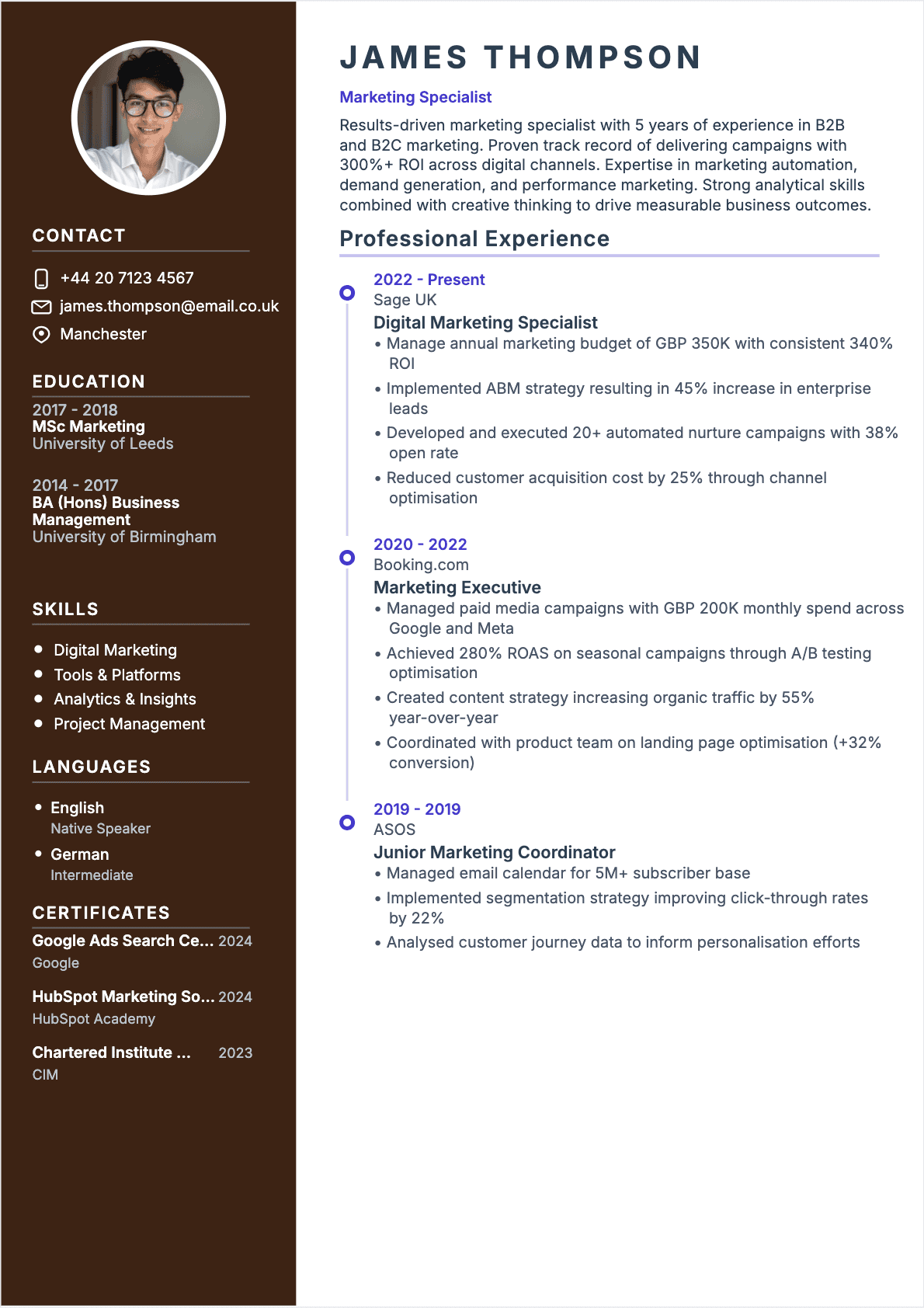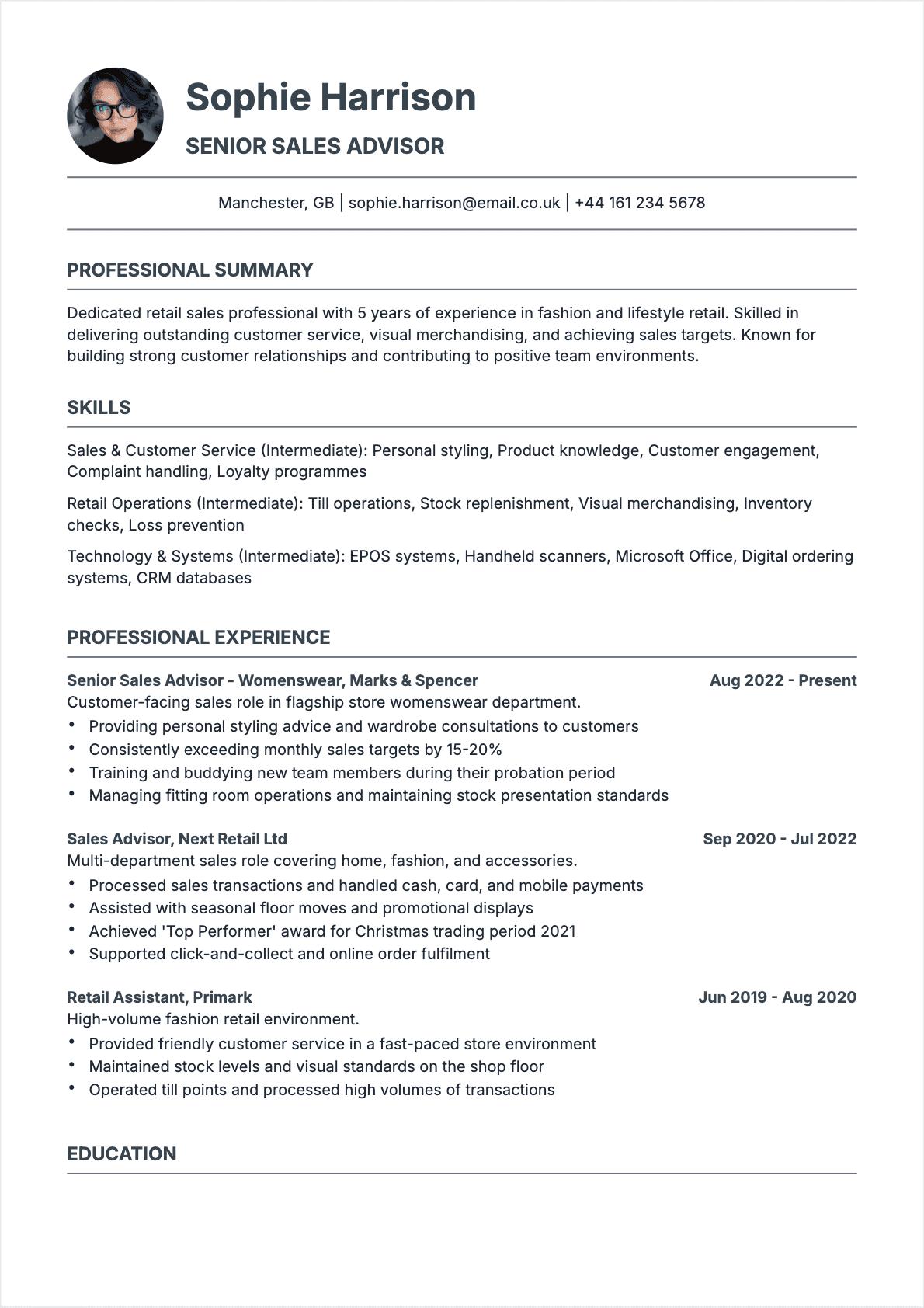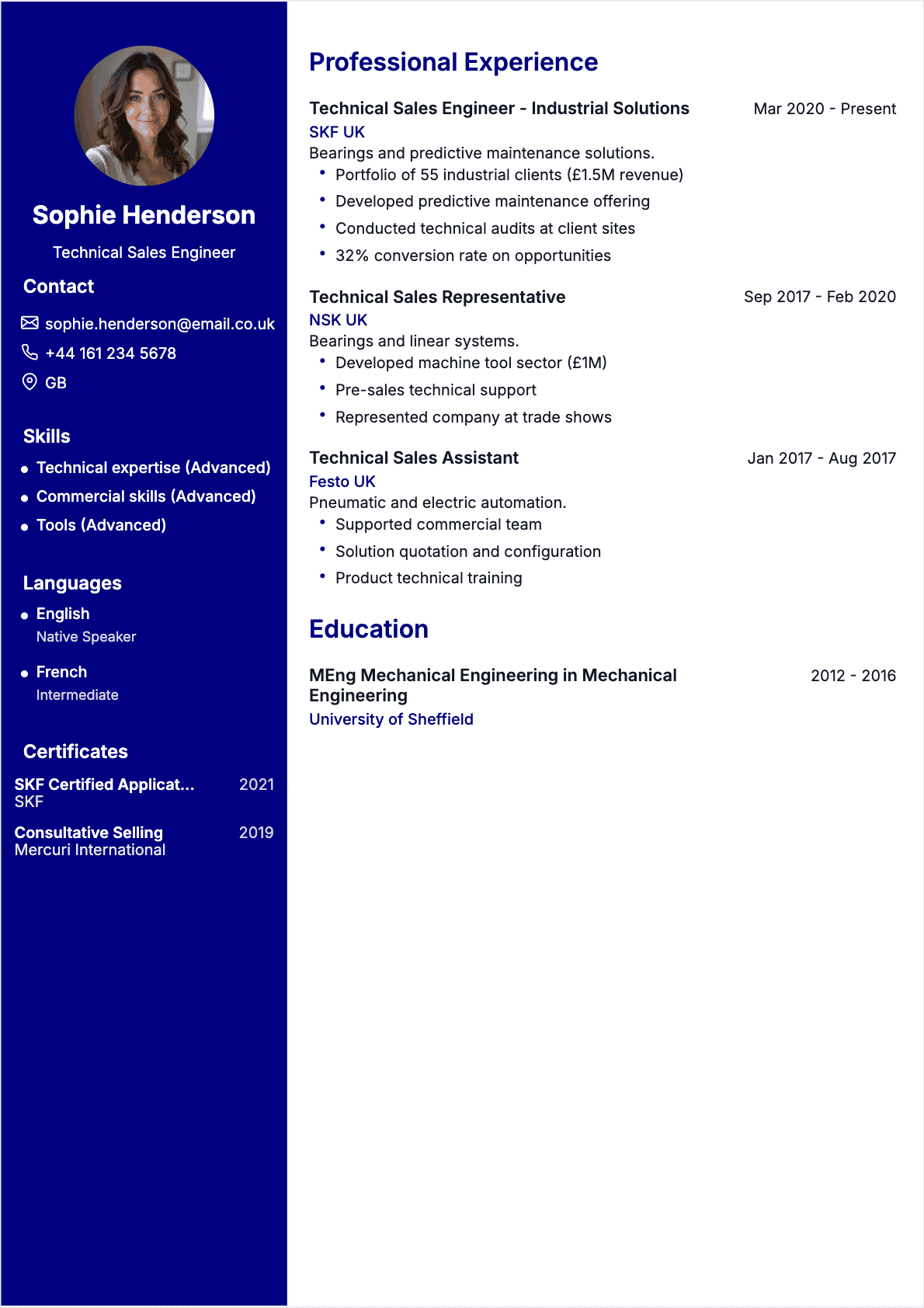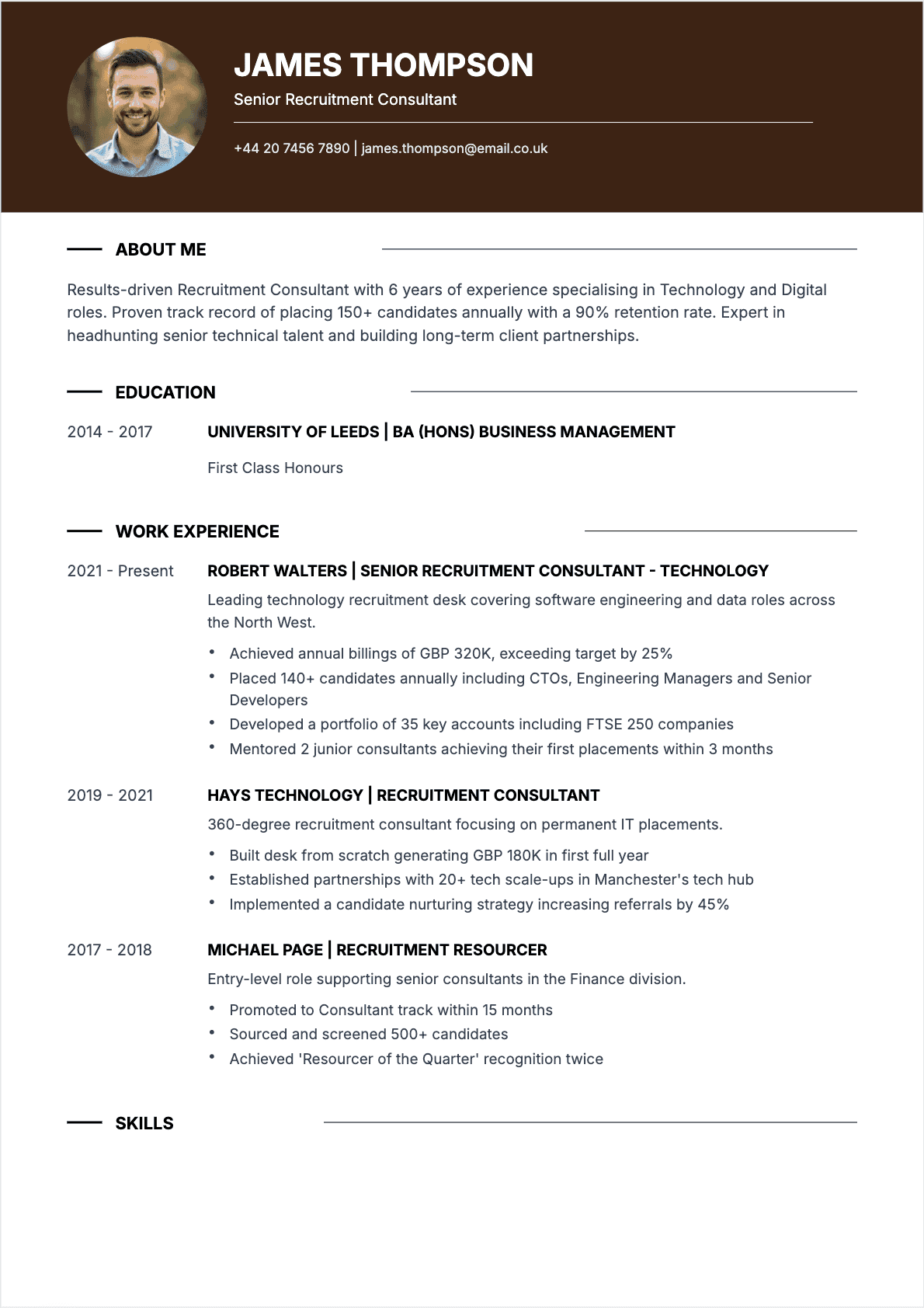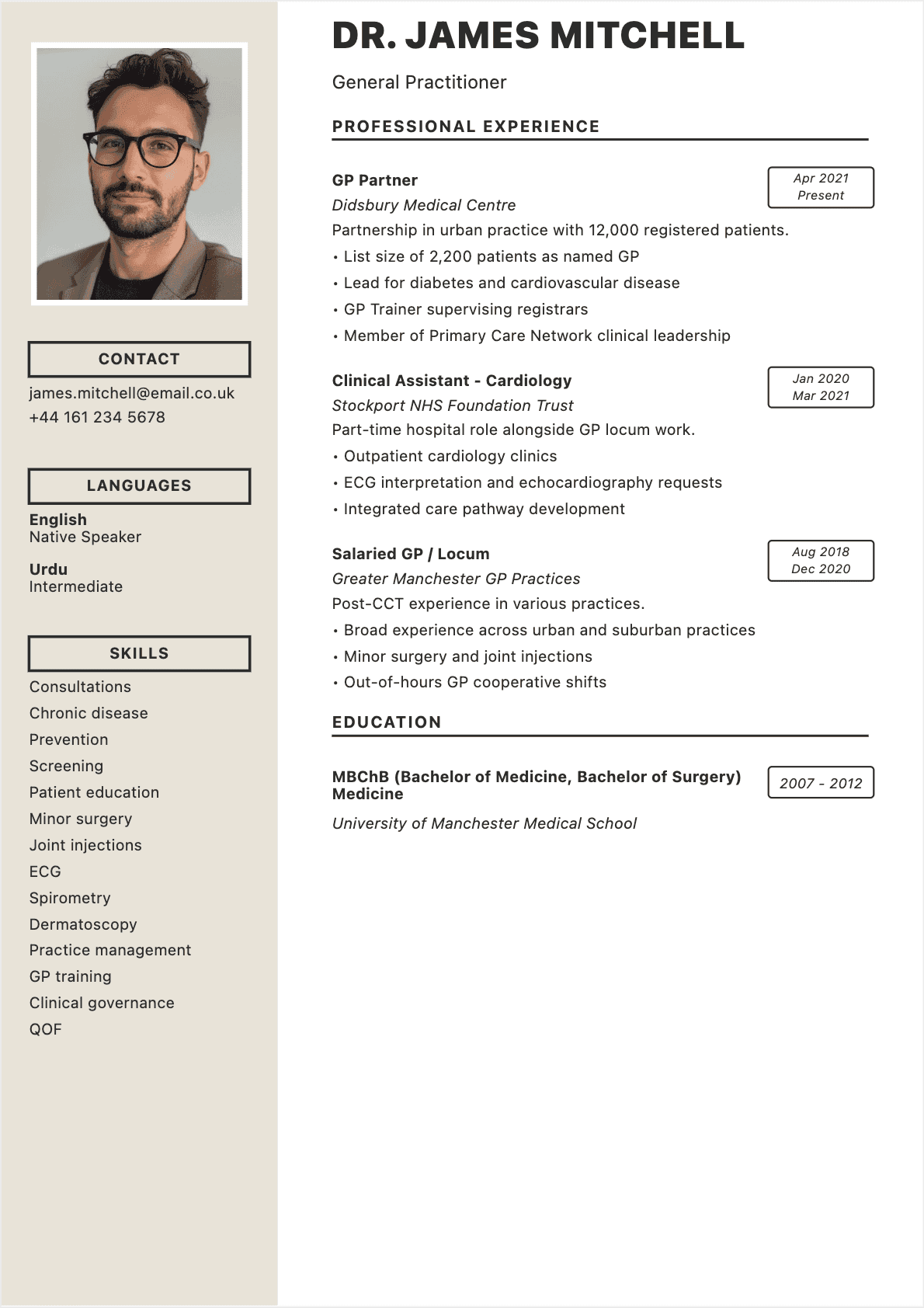

I spent eight years as a tech recruiter in New York and London, screening resumes for companies ranging from seed-stage startups to Fortune 500 giants. In that time, I reviewed over 22,000 applications. And the pattern I saw was painfully consistent: talented professionals losing opportunities because of avoidable resume mistakes.
The hiring landscape in 2026 is more competitive than ever. Remote work has globalized the talent pool, ATS (Applicant Tracking Systems) now filter out roughly 75% of resumes before a human ever sees them, and AI-powered screening tools can flag generic or inconsistent content in milliseconds. According to Indeed's 2025 Hiring Trends Report, the average corporate job posting receives 438 applications.
But here's what most career advice gets wrong: they tell you what not to do without showing you what actually works. This guide is different. I'm going to walk you through 10 proven resume tips that have helped my clients land interviews at Google, JPMorgan, Deloitte, and hundreds of other employers. Each tip comes with real examples, concrete before-and-after transformations, and actionable steps you can implement today.
Whether you're a recent graduate crafting your first resume or a seasoned executive refreshing yours, these strategies will help you stand out in a crowded market. And if you want a comprehensive foundation, start with our complete guide on how to write a resume before diving in.
Let's get started. Here are the 10 resume tips that will make your application impossible to ignore in 2026.
1. Lead with a Powerful Professional Summary
Your professional summary is the elevator pitch at the top of your resume. It's the first thing recruiters read after your name and contact details, and it sets the tone for everything that follows. In a world where recruiters spend an average of 7.4 seconds scanning a resume (according to the Ladders eye-tracking study), those opening 3-4 lines carry enormous weight.
Yet most candidates either skip the summary entirely or fill it with meaningless buzzwords like "results-driven professional" or "passionate team player." These phrases are so overused that recruiters' eyes glaze right over them.
A strong professional summary answers three questions in under 50 words:
- Who are you? Your title, years of experience, and core specialization.
- What do you do best? Your two or three strongest skills or areas of expertise.
- What results do you deliver? One standout metric or achievement.
Here's a before-and-after to illustrate:
**Before: **"Experienced marketing professional seeking challenging opportunities to leverage my skills in a dynamic environment."
**After: **"Digital Marketing Manager with 6+ years driving B2B SaaS growth. Specialist in SEO, paid media, and marketing automation (HubSpot, Marketo). Grew organic traffic by 240% and reduced CAC by 38% at Series B startup."
The second version is specific, quantified, and immediately tells the recruiter whether this candidate is a fit. That's the difference between getting a callback and getting filtered out.
Pro tip: tailor your summary for every application. Pull 2-3 keywords directly from the job posting and weave them naturally into your opening lines. This simultaneously hooks the recruiter and satisfies the ATS.
2. Quantify Every Achievement with Hard Numbers
If there's one resume tip that separates average applications from outstanding ones, it's this: replace vague descriptions with quantified achievements. Numbers are the universal language of impact. They cut through ambiguity and give recruiters exactly what they need to evaluate your contribution.
Consider the difference:
"Managed social media accounts and increased engagement."
Versus:
"Managed 4 social media channels (LinkedIn, Instagram, X, TikTok) for B2B fintech brand. Increased engagement rate from 1.2% to 4.7% in 9 months, growing follower base by 28K and generating 340 qualified leads via social-first campaigns."
The second version paints a vivid picture. The recruiter can instantly gauge the scope, the results, and the timeline. Here are the types of metrics you should be tracking and including:
- **Revenue impact: **"Generated $1.2M in new business through outbound sales pipeline"
- **Cost savings: **"Reduced operational costs by $85K annually through process automation"
- **Scale: **"Managed cross-functional team of 14 across 3 time zones"
- **Speed: **"Decreased average ticket resolution time from 48 hours to 6 hours"
- **Growth: **"Grew user base from 2,300 to 18,000 MAU in 12 months"
But what if your role doesn't have obvious numbers? Dig deeper. Every job has quantifiable elements:
- Customer service? Track resolution time, satisfaction scores, ticket volume.
- Teaching? Student pass rates, class sizes, curriculum improvements.
- Administration? Processes streamlined, documents processed, error rates reduced.
- Volunteering? Hours contributed, funds raised, people served.
The rule of thumb: every bullet point on your resume should contain at least one number. If you can't find a metric, you haven't thought hard enough about the impact of your work.

STAR Method for Quantifying Resume Results
3. Optimize Your Resume for ATS Compatibility
Here's an uncomfortable truth: before a human recruiter ever sees your resume, an algorithm decides whether it's worth reading. Over 98% of Fortune 500 companies use Applicant Tracking Systems, and a growing number of mid-size employers are adopting them too. If your resume isn't ATS-friendly, you're essentially submitting it to a black hole.
ATS software parses your resume, extracts structured data (name, contact info, work history, skills), and scores it against the job description. If your score falls below the threshold, your resume never reaches a recruiter's desk. It's that simple.
Here's how to make sure your resume passes every ATS:
- **Use standard section headings: **"Work Experience," "Education," "Skills," "Certifications." Avoid creative alternatives like "My Journey" or "Where I've Made an Impact." ATS software looks for conventional labels.
- **Submit in the right format: **PDF is generally safe (unless the posting specifically asks for .docx). Avoid image-only PDFs, Canva exports without embedded text, or any format the ATS can't parse.
- **Mirror job description keywords exactly: **If the posting says "project management," don't write "project leadership." If it says "Python," don't only write "programming." ATS matches are often literal.
- **Avoid tables, columns, headers/footers, and text boxes: **These can scramble your content when parsed. Stick to a clean, single-column layout.
- **Include both acronyms and full terms: **Write "Search Engine Optimization (SEO)" so the ATS catches both versions.
A quick test: copy-paste your resume into a plain text editor (Notepad on Windows, TextEdit on Mac). If the text reads logically from top to bottom, your resume is likely ATS-compatible. If it's scrambled, you need to simplify your format.
For a deep dive into layout choices, check out our guide to the best resume formats that pass ATS filters while still looking polished.

ATS Optimization Tips for Resume
4. Tailor Your Resume for Every Single Application
Sending the same generic resume to 50 different jobs is the most common mistake I saw as a recruiter, and it's the easiest to fix. A tailored resume is 3x more likely to result in an interview than a generic one, according to a 2024 study by Jobvite.
Tailoring doesn't mean rewriting your entire resume for every application. It means making strategic adjustments:
- Adjust your professional summary to reflect the specific role and company.
- Reorder your bullet points so the most relevant achievements for this particular job appear first.
- Mirror the job description language: if they say "stakeholder management," use that exact phrase, not "client relations."
- Remove irrelevant experience that dilutes your message. If you're applying for a data analyst role, your college barista job doesn't need 4 bullet points.
- Add a "Relevant Skills" section that maps directly to the job requirements.
Here's a practical workflow I recommend to my clients:
- Read the job posting three times. Highlight keywords, required skills, and desired outcomes.
- Compare those keywords to your resume. Circle matches, identify gaps.
- Adjust your summary, reorder bullets, add missing keywords where you can honestly claim them.
- Save each version with the company name (e.g., "Resume_Google_PM_2026.pdf").
Yes, this takes more time. But applying to 10 jobs with tailored resumes will consistently outperform blasting 100 applications with a generic one. Quality beats quantity every time.
If you're starting from scratch, our step-by-step resume writing guide will help you build a strong base document that's easy to customize.
5. Choose the Right Format for Your Career Stage
Your resume format is the container for your story. Choose the wrong one, and even the most impressive achievements can get lost. In 2026, there are three main resume formats, each suited to different career situations:
Reverse-Chronological (Best for Most Candidates)
This is the gold standard and the format that 87% of recruiters prefer, according to a survey by TopResume. Your most recent role appears first, followed by previous positions in descending order. It works best when you have a clear, progressive career path in a single field.
Use it if: you have 2+ years of consistent experience in your target field.
Functional (Skills-Based)
This format groups your experience by skill category rather than chronology. It's useful for career changers or candidates with employment gaps, but many recruiters view it with suspicion because it can obscure your timeline. Use with caution.
Use it if: you're switching industries or have significant gaps you can explain in a cover letter.
Combination (Hybrid)
This format leads with a skills summary section followed by a chronological work history. It's increasingly popular in 2026 because it satisfies both ATS requirements and recruiter preferences.
Use it if: you have diverse experience and want to highlight transferable skills while maintaining a clear timeline.
Regardless of format, keep these length guidelines in mind:
- **0-5 years experience: **1 page (no exceptions)
- **5-15 years experience: **1-2 pages
- **15+ years / executive: **2 pages maximum (3 only for academic CVs)
If you're unsure which format is right for you, our detailed resume format comparison breaks down the pros and cons of each with real examples.
6. Master the Art of Resume Keywords
Keywords are the bridge between your resume and the job you want. They're the specific terms, skills, tools, and qualifications that ATS software and recruiters search for. Getting them right is one of the most impactful resume tips you can follow.
There are three types of keywords you should include:
Hard Skill Keywords
These are technical, teachable abilities specific to your field. Examples: Python, Salesforce, financial modeling, Google Analytics, project management, Figma, AWS, SQL.
Soft Skill Keywords (with Context)
Generic soft skills ("leadership," "communication") are meaningless without proof. Instead, demonstrate them:
Don't say: "Excellent leadership skills"
Say: "Led cross-functional team of 12 across engineering, design, and product, delivering $2.4M platform migration on time and 8% under budget"
Industry and Role-Specific Keywords
Every industry has its vocabulary. In tech: CI/CD, microservices, sprint planning. In finance: DCF analysis, risk modeling, Basel III compliance. In marketing: conversion rate optimization, A/B testing, attribution modeling.
Here's a keyword extraction workflow:
- Copy the full job description into a document.
- Highlight every skill, tool, qualification, and action verb.
- Compare those terms to your resume. Are they present? Are they in the same form?
- Add missing keywords where you can honestly claim them, naturally woven into your bullet points.
- Don't keyword-stuff. ATS algorithms in 2026 detect and penalize unnatural repetition.
For a comprehensive list of high-impact skills organized by industry, check out our 2026 guide to the best skills to put on your resume.
7. Craft Bullet Points That Tell Achievement Stories
Your bullet points are the meat of your resume. They're where you prove your value to potential employers. Yet most candidates write them as job descriptions rather than achievement statements. There's a crucial difference:
Job description: "Responsible for managing client accounts and handling inquiries."
Achievement statement: "Managed portfolio of 45 enterprise accounts ($3.8M ARR), achieving 96% retention rate and identifying $420K in upsell opportunities in FY2025."
The best bullet points follow the CAR formula: Challenge, Action, Result:
- **Challenge: **What problem or situation did you face?
- **Action: **What did you specifically do?
- **Result: **What measurable outcome did you achieve?
Here are more examples across different roles:
- **Software Engineer: **"Redesigned legacy payment processing system (Challenge), migrating from monolith to microservices architecture using Go and Kubernetes (Action), reducing transaction latency by 62% and saving $140K/year in infrastructure costs (Result)."
- **HR Manager: **"Faced 34% annual turnover in engineering department (Challenge), implemented structured interview process and employee engagement program (Action), reducing turnover to 12% and saving an estimated $280K in recruitment costs (Result)."
- **Sales Representative: **"Assigned underperforming Midwest territory with declining revenue (Challenge), rebuilt client relationships and implemented consultative selling approach (Action), exceeding quota by 145% and growing territory revenue by $1.1M in 18 months (Result)."
Start every bullet point with a strong action verb: designed, led, implemented, optimized, launched, negotiated, automated, scaled, delivered, transformed. Avoid passive language like "was responsible for" or "helped with."
8. Avoid the Most Common Resume Mistakes
Knowing what not to do is just as important as knowing what to do. After reviewing thousands of resumes, here are the mistakes I saw most frequently, and that cost candidates interviews:
Spelling and Grammar Errors
A CareerBuilder survey found that 58% of recruiters will immediately reject a resume with typos. In communications, legal, and executive roles, that number jumps to 90%. There's no excuse in 2026 when tools like Grammarly, Hemingway Editor, and ProWritingAid are free or low-cost.
My proofing process: run it through Grammarly, read it aloud, print it and review on paper, then have one other person review it. Each pass catches errors the previous one missed.
Including Irrelevant Information
Your resume is not a biography. Cut anything that doesn't support your candidacy for this specific role:
- Work experience older than 15 years (unless directly relevant)
- High school education (if you have a college degree)
- Generic hobbies ("reading, traveling, cooking") unless they connect to the role
- References ("Available upon request" is outdated; they'll ask if they want them)
- Full mailing address (city and state are sufficient)
Poor Formatting Choices
Resume killers include:
- Walls of text with no white space
- More than 2 fonts or 3 colors
- Inconsistent formatting (some roles bolded, others not)
- Margins smaller than 0.5 inches
- Headers and footers containing critical information (ATS can't read these)
For a deeper look at the errors that destroy applications, read our guide to the most common resume mistakes and make sure your resume is free of every one.
9. Design for Readability and Visual Impact
Your resume needs to be two things simultaneously: machine-readable (for ATS) and human-scannable (for recruiters). Getting this balance right is a critical resume tip that many candidates overlook.
Here are the design principles that work in 2026:
Typography
- **Body text: **10-12pt, clean sans-serif font (Calibri, Arial, Helvetica, Open Sans)
- **Section headings: **12-14pt, bold, slightly larger than body text
- **Your name: **16-20pt, the largest element on the page
- **Line spacing: **1.15-1.3x for comfortable reading
For a detailed breakdown of font choices and their psychological impact, check our guide to the best fonts for resumes.
Layout and White Space
- Margins of 0.5-1 inch on all sides
- Consistent spacing between sections (10-14pt gap)
- Bullet points for achievements, not paragraphs
- Clear visual hierarchy: your name > section headings > job titles > bullet points
- Strategic use of bold for company names, job titles, and key metrics
Color (Use Sparingly)
A single accent color for section headings or divider lines can add polish without distracting. Stick to professional tones: navy, dark teal, charcoal, or burgundy. Avoid bright reds, neon colors, or anything that reduces readability when printed in black and white.
The test: print your resume in grayscale. If all text is still legible and the hierarchy is clear, your design works.
10. Leverage LinkedIn and Your Digital Presence
In 2026, your resume doesn't exist in a vacuum. Over 93% of recruiters check LinkedIn profiles after reviewing a resume, according to Jobvite's Recruiter Nation survey. If your resume says one thing and your LinkedIn says another, you've raised a red flag.
Here's how to create a seamless personal brand across platforms:
LinkedIn Alignment
- **Dates and titles must match exactly. **Even a one-month discrepancy raises questions about accuracy.
- **Your LinkedIn headline should complement your resume summary, **not duplicate it. Use LinkedIn's headline to target your ideal role: "Senior Data Engineer | AWS & Snowflake | Building Scalable Data Pipelines."
- **Skills endorsements and recommendations **act as social proof that reinforces your resume claims.
- **Your LinkedIn About section **can tell a richer narrative than your resume allows, including career motivations, philosophy, and longer-form achievements.
Beyond LinkedIn
Depending on your field, consider linking to:
- A personal portfolio website (design, writing, marketing)
- GitHub profile (software engineering, data science)
- Published articles or conference talks (thought leadership)
- Behance or Dribbble (creative roles)
- Kaggle profile (data science, ML engineering)
Include these links in your resume's header, right alongside your email and phone number. Make it easy for recruiters to explore your digital presence. But only link to profiles you've actively curated, as an empty GitHub or a LinkedIn profile with a graduation photo from 2015 will hurt more than help.
11. Use AI Tools Strategically (Without Losing Your Voice)
AI resume tools have exploded in popularity, and for good reason. They can help you brainstorm bullet points, optimize keywords, and check formatting in minutes. But there's a critical line between using AI as a tool and letting it write your resume for you.
In 2026, recruiters and ATS systems are increasingly adept at detecting pure AI-generated content. The telltale signs include:
- Overly polished, generic language that lacks personality
- Repeated phrases like "leveraging X years of experience" or "proven track record"
- Perfect grammar but zero specific details, anecdotes, or personality
- Bullet points that could apply to anyone in the role
Here's how to use AI effectively:
- **Draft first, then use AI to refine. **Write your raw bullet points from memory. Then use an AI tool to improve clarity, suggest stronger action verbs, and tighten phrasing.
- **Use AI for keyword optimization. **Paste the job description and your resume into a tool and ask it to identify missing keywords. This is one of AI's strongest use cases.
- **Never accept AI output verbatim. **Always customize. Add your specific numbers, company names, project details, and personal voice.
- **Use AI to generate variations. **Ask for 3 versions of a bullet point and pick the one closest to your natural tone, then customize further.
If you want to experience AI-assisted resume building done right, our AI resume builder helps you create optimized, ATS-friendly resumes while keeping your authentic voice intact.
12. The Ultimate Resume Checklist Before You Hit Send
Before you submit your resume, run through this checklist. It's the same one I used when coaching clients, and it catches 95% of the issues that lead to rejections.
Content Check
- **Professional summary **is tailored to the target role (not generic)
- **Every bullet point **contains at least one quantified achievement
- **Keywords from the job description **appear naturally throughout your resume
- **No irrelevant information **(old jobs, generic hobbies, full mailing address)
- **Action verbs **lead every bullet point (not "responsible for")
Format Check
- **Single-column layout **that ATS can parse correctly
- **Standard section headings **(Work Experience, Education, Skills)
- **Consistent formatting **(same font, spacing, bullet style throughout)
- **Appropriate length **(1 page for <5 years, 2 pages max for senior)
- **PDF format **with embedded text (not image-based)
Polish Check
- **Zero spelling or grammar errors **(Grammarly + human proofread)
- **Professional email address **(firstname.lastname@gmail.com, not partygirl99@hotmail.com)
- **LinkedIn profile **matches resume (dates, titles, skills)
- **File name **is professional ("FirstName_LastName_Resume_2026.pdf")
- **Printed version **looks clean in black and white
For a printable version you can keep on your desk, download our complete resume checklist.

5-Step Resume Action Plan
Your Resume Is Your First Impression. Make It Count.
In a job market where hundreds of candidates compete for every role, your resume is the single most important document in your professional life. It's not just a list of jobs you've held. It's a marketing document that sells your unique value to employers.
The 10 resume tips in this guide aren't theory. They're battle-tested strategies drawn from real hiring decisions, real ATS data, and real career transformations. To recap:
- Lead with a powerful, tailored professional summary
- Quantify every achievement with hard numbers
- Optimize for ATS compatibility
- Tailor your resume for every application
- Choose the right format for your career stage
- Master strategic keyword placement
- Write achievement-focused bullet points using the CAR formula
- Eliminate common mistakes that trigger instant rejection
- Design for both machine readability and human impact
- Align your LinkedIn and digital presence
Start implementing these tips today. Pick the three that address your biggest weaknesses and work on those first. Then refine the rest over time. Your resume is a living document. Treat it like one.
Ready to build a resume that actually gets interviews? Our free resume builder applies every principle in this guide automatically, guiding you step by step to a polished, ATS-optimized resume in under 15 minutes. No design skills required.
And if you're just getting started in your career, don't miss our guide to writing a resume with no experience, which shows you how to turn internships, projects, and transferable skills into a compelling application.
FAQ: Resume Tips Frequently Asked Questions
How long should my resume be in 2026?
For most professionals, one page is ideal if you have fewer than 5 years of experience. Two pages are acceptable for mid-career and senior professionals with 5-15+ years of relevant experience. Academic CVs can extend to 3+ pages to accommodate publications, grants, and research. The key principle: every line should earn its place. If a bullet point doesn't strengthen your candidacy for the specific role, cut it.
Should I include a photo on my resume?
In the United States and United Kingdom, no. Including a photo opens employers to potential discrimination claims, and most US/UK companies explicitly advise against it. Many ATS systems will even strip photos from resumes. Exceptions include acting, modeling, or roles where appearance is genuinely relevant. In continental Europe and parts of Asia, photos are more common but still optional.
What is the best resume format for ATS?
A clean, single-column PDF with standard section headings, no tables or text boxes, and 10-12pt sans-serif font. The reverse-chronological format works best because ATS software is designed to parse this structure. Always include keywords from the job description, both as acronyms and spelled out (e.g., "Search Engine Optimization (SEO)"). For a complete breakdown, see our guide to ATS-friendly resume formats.
How do I write a resume with no work experience?
Focus on transferable skills from education, internships, volunteer work, personal projects, and extracurriculars. Use the same CAR formula (Challenge, Action, Result) for academic projects: "Led 4-person team for senior capstone project, designing inventory management app that reduced manual data entry by 70% for local nonprofit client." Entry-level candidates can also highlight relevant coursework, certifications, and technical skills. Our no-experience resume guide walks you through the entire process.
Should I use an AI resume builder?
AI tools are excellent for brainstorming, keyword optimization, and formatting, but never submit AI-generated content without significant personalization. Recruiters in 2026 can spot generic AI output, and some ATS systems flag it. The best approach: use AI to draft and optimize, then customize every section with your specific numbers, examples, and voice. Our AI-powered resume builder is designed to balance AI efficiency with human authenticity.
What are the best fonts for a resume?
Stick with clean, professional sans-serif fonts: Calibri, Arial, Helvetica, or Open Sans for modern readability. Garamond and Georgia are solid serif alternatives for traditional industries (law, finance, academia). Avoid decorative fonts (Comic Sans, Papyrus), overly thin weights, or anything smaller than 10pt. For a detailed comparison with visual examples, check our complete guide to resume fonts.
How often should I update my resume?
At minimum, every six months, even if you're not actively job searching. Add new skills, certifications, projects, and achievements while they're fresh. Update your keywords to reflect current industry terminology (job market language evolves quickly). A regularly maintained resume means you're always ready when an unexpected opportunity appears, instead of scrambling to remember what you accomplished two years ago.
What's the difference between a resume and a CV?
In the US, a resume is a concise 1-2 page document tailored to a specific job. A CV (Curriculum Vitae) is a comprehensive academic document that includes publications, research, grants, and teaching experience, and can run many pages. In the UK, Australia, and much of Europe, "CV" is used interchangeably with "resume" for all professional documents. When applying to US-based companies, use "resume" unless the posting specifically asks for a CV (typically academic or research positions).